Australia's LNG Industry Faces Critical Juncture: Policy Uncertainty Choking Off Billion-Dollar Investment
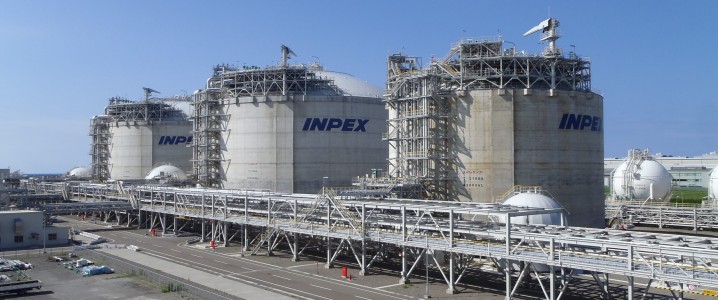
The Australian LNG industry stands at a "historical turning point." Amid the Middle East crisis creating a massive global supply gap, Australia has a golden opportunity to consolidate its position as an energy superpower. However, industry leaders warn that permitting delays and unpredictable tax policies are obstructing essential investment flows.
Golden Opportunity from Global Supply Chain Disruption
The world is witnessing a severe LNG shortage. The blockade of the Strait of Hormuz and conflict risks in the Middle East have paralyzed critical LNG export routes from Qatar – one of the world's leading suppliers.
This disruption has inadvertently created the perfect launchpad for Australia, the world's third-largest LNG exporter. With its advantageous geographical position, Australia is the prime candidate to fill the energy gap in the Asian region – a market "thirsty" for natural gas to support economic growth and energy transition.
However, this opportunity will slip away if Australia cannot increase its supply. Ms. Cecile Wake, Chair of the Australian Energy Producers, emphasized: "The global crisis has highlighted the tremendous advantage of having a strong domestic LNG and gas industry. National benefits are only guaranteed when we have both affordable domestic markets and a thriving export sector."
Table 1: Contrasting Market Dynamics in Global LNG (2025-2026)
| Market Factor | Middle East Situation (especially Qatar) | Australia's Opportunity |
| Supply chain status | Severe disruption due to blockade of Strait of Hormuz. | Safe maritime routes to Asia, unaffected by regional conflicts. |
| Ability to meet demand | Significant decline, unable to guarantee timely delivery. | Capacity to increase supply to allies and partners in Asia. |
| Current major barrier | Armed conflict and geopolitical risks. | Institutional bottlenecks, tax policies, and project approval timelines. |
Cries for Help from Energy Giants
Despite the enormous potential, Australian energy producers are extremely concerned about the domestic investment environment. The lack of clarity in long-term policies is freezing billions of dollars in investment.
Mr. Kevin Gallagher, CEO of Santos – one of Australia's largest oil and gas companies – issued a stark warning at the industry's annual conference. He argued that prolonged debates over gas reservation policies (expected to be implemented from 2027) and the risk of government tax increases are undermining investor confidence.
"This is a 'pivotal moment' for Australia," Mr. Gallagher stated. "This is an opportunity to cement the country's reputation as a predictable destination for global capital... a nation that understands prosperity is built over decades, not through short 3-year political cycles."
The industry urgently demands three core elements from state and federal governments:
Expedite permitting processes: Accelerate environmental impact assessments and administrative procedures.
Stable fiscal environment: Commit to no sudden tax increases for new exploration and production projects.
Consistent export policies: Avoid sudden export bans that would shock international partners.
Table 2: Core Requirements to Unlock LNG Investment in Australia
| Requirement Category | Current Status | Industry Proposals |
| Project approval process | Lengthy, overlapping between Federal and State laws. | Streamline processes with clear approval deadlines for priority projects. |
| Tax & Fiscal Policy | Frequent debates to increase government revenue. | Ensure consistency for at least 10-20 years to allow investors to recoup capital. |
| Export Management | Continuous discussions about restricting exports to protect domestic prices. | Ensure free trade, maintain Australia's international reputation as a reliable supplier. |
Recent Positive Developments
Despite ongoing concerns, the Australian government has begun making concessions to calm the market.
In late April, New South Wales launched its first gas exploration tender in a decade to address supply shortages. Additionally, the federal government has officially ruled out implementing export controls on gas in the third quarter of 2026, after receiving assurances that the East Coast (the most vulnerable region) will not experience energy shortages during winter months.
This decision to restrict exports is a timely "lifeline" for the global LNG market, which has been in turmoil due to Middle Eastern disruptions.
Conclusion: Australia currently holds "heavenly timing and geographical advantage" to restructure the Asia-Pacific energy market. However, the "human harmony" – meaning consensus between government and industry – remains the weakest link. If policymakers in Canberra do not soon establish a more stable and open legal framework, Australia may lose this historic opportunity to competing nations.
#AustraliaEconomy #LNG #EnergyCrisis #FinancialInvestment #Santos #EnergyPolicy #GasMarket #OilPrice #AsianEconomy
Would you like me to provide deeper analysis on how the slowdown in Australia's LNG industry would directly impact electricity prices and energy security in Asian countries (Australia's largest customers)?