## Global Energy Security at Risk as Strategic Waterway Shut Down
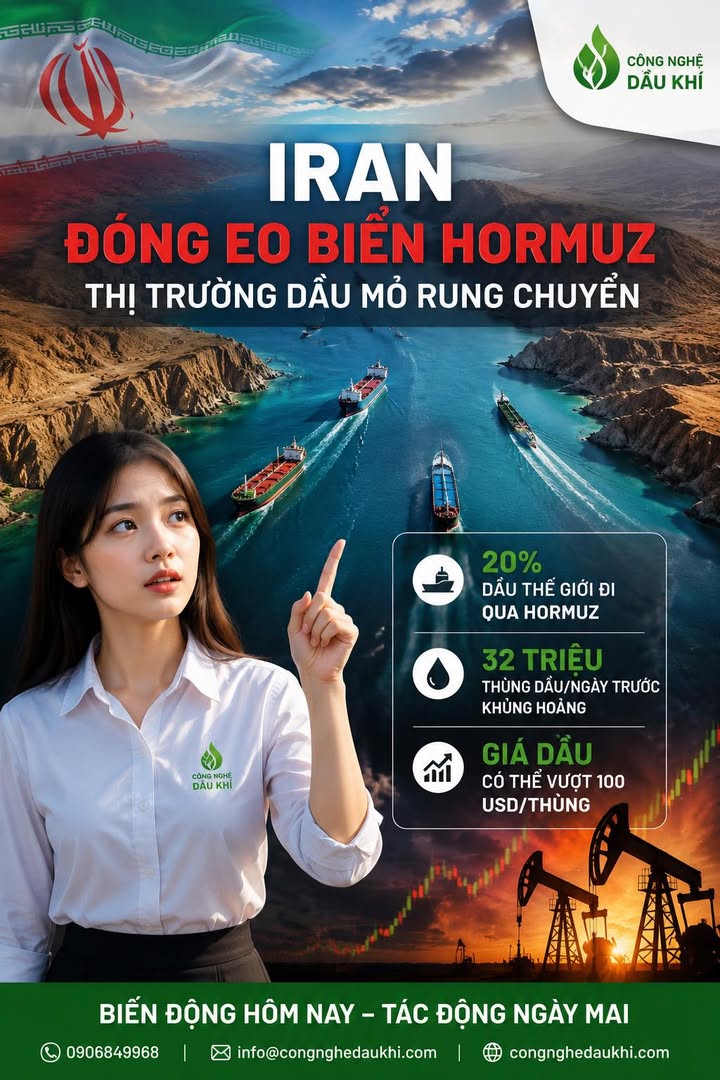
In a move that has sent shockwaves through global energy markets, Iran has announced the complete closure of the Strait of Hormuz to all maritime traffic, including oil tankers and commercial vessels. The declaration, made on June 11, 2026, at 09:32 local time, comes amid escalating tensions between Iran and the United States, with Washington having conducted new airstrikes against multiple targets within Iranian territory just hours prior.
The closure of this strategically vital waterway - through which approximately one-fifth of global oil supplies transit - has immediately triggered significant volatility in international crude prices, raising concerns about potential inflationary pressures and economic disruptions worldwide.
## The Critical Importance of the Strait of Hormuz
The Strait of Hormuz is not merely a maritime passage but represents what energy analysts often describe as the world's primary "oil valve." Its strategic significance cannot be overstated, as it serves as the primary conduit for energy exports from the Middle East to global markets.
Key Statistics on the Strait of Hormuz
| Metric | Value |
|---|---|
| Global oil transit percentage | Approximately 20% |
| Daily oil volume (pre-crisis) | 32 million barrels |
| Primary dependent nations | Saudi Arabia, Iraq, Kuwait, Qatar, UAE |
| Main commodities transported | Crude oil, LNG, petrochemicals |
| Economic impact of disruption | Higher oil prices, increased freight costs, elevated inflation |
## Escalating Tensions: A 72-Hour Timeline
The closure of Hormuz did not occur in isolation but represents the culmination of rapidly escalating hostilities between Iran and the United States.
Chronology of Recent Events
| Date | Event |
|---|---|
| June 9, 2026 | Iran shoots down US Apache helicopter near Hormuz |
| June 10, 2026 | US expands airstrikes on multiple Iranian targets |
| June 11, 2026, 09:32 | Iran announces complete closure of Hormuz Strait |
| June 11, 2026 | IRGC announces attacks on two vessels allegedly violating blockade area |
## Market Impact: Immediate Reactions
The announcement of Hormuz's closure triggered immediate and significant reactions in global energy markets. Energy analysts estimate that regional oil production has decreased from approximately 32 million barrels per day to around 17.5 million barrels daily - a reduction of nearly 45%.
Impact on Persian Gulf Oil Production
| Period | Daily Production |
|---|---|
| Pre-crisis | 32 million barrels |
| During crisis | 17.5 million barrels |
| Reduction percentage | Approximately 45% |
1. **Bullish Scenario**: If the Hormuz blockade continues for an extended period, Brent crude could exceed $100 per barrel and potentially reach the $120 per barrel range.
2. **Moderate Scenario**: The United States and its allies may possess sufficient military capability to maintain maritime corridors and minimize the disruption's impact.
Regardless of which scenario materializes, freight insurance costs, logistics expenses, and energy prices have already increased significantly, creating ripple effects throughout global supply chains.
## United States Faces Growing Pressure
The United States, as both a major oil producer and consumer, finds itself under considerable pressure due to the developing situation. The US Energy Information Administration reported that crude oil inventories decreased by 7.2 million barrels in a single week - substantially more than market expectations.
US Crude Oil Inventory Status
| Metric | Value |
|---|---|
| Weekly inventory decrease | 7.2 million barrels |
| Current inventory level | 426.5 million barrels |
| Market forecast | 4 million barrel decrease |
## Asia: The Most Vulnerable Region
According to energy security experts, Asian economies face the highest risks due to their heavy dependence on Middle Eastern crude oil and liquefied natural gas (LNG). Nations including Malaysia, Japan, South Korea, China, and various ASEAN countries have already begun seeking alternative supply sources from the Americas, South America, and Africa.
This shift in sourcing patterns is likely to:
- Increase competition for available alternative supplies
- Drive up prices in other regions
- Create logistical challenges as supply chains are reconfigured
- Potentially lead to bilateral agreements that could further fragment global energy markets
## Implications for Vietnam
While Vietnam does not import the majority of its crude oil directly from the Strait of Hormuz, domestic gasoline and diesel prices remain closely tied to international Brent crude benchmarks. Should Brent prices continue to escalate, several key Vietnamese economic sectors would face immediate pressure:
Potentially Affected Sectors in Vietnam:
- Transportation and logistics
- Aviation
- Fisheries and maritime industries
- Manufacturing
- Power generation
Potential Chain Reaction of Economic Impacts
- Oil prices increase
- Gasoline and diesel prices increase
- Transportation costs increase
- Commodity prices increase
- Inflationary pressures intensify
## Global Economic Considerations
The most pressing question currently is not whether Iran will maintain the Hormuz closure, but for how long. Even a few additional weeks of disruption could push global energy markets into a period of unprecedented volatility not seen since the historic oil crises of the 1970s.
Energy-importing nations face particularly difficult choices:
- Absorbing higher energy costs, potentially triggering inflation
- Implementing price controls that could create supply shortages
- Seeking diplomatic interventions to de-escalate tensions
- Accelerating transitions to alternative energy sources
Conversely, energy-exporting nations not directly involved in the conflict may experience economic windfalls, potentially altering global economic power dynamics in the medium to long term.
## Conclusion: A New Era of Energy Uncertainty
The closure of the Strait of Hormuz represents more than a temporary disruption in energy supplies; it signals a potential paradigm shift in global energy security. As the world becomes increasingly interconnected yet simultaneously more fragmented by geopolitical tensions, the vulnerability of critical energy infrastructure has never been more apparent.
Energy markets, businesses, and governments worldwide are now recalibrating their strategies to account for a new reality where the secure flow of energy cannot be taken for granted. The duration and outcome of the current standoff will undoubtedly shape global economic trajectories for years to come, potentially accelerating both the diversification of energy sources and the development of alternative transportation corridors that could reduce dependence on strategically vulnerable chokepoints like the Strait of Hormuz.