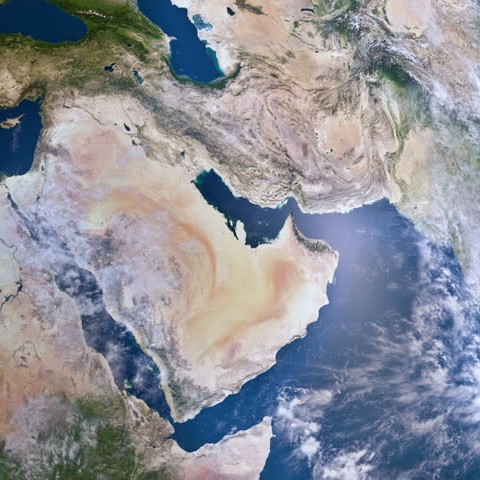
Oil Prices Avoiding Spike Thanks to US Military Efforts in Strait of Hormuz
US Energy Secretary Chris Wright recently revealed a critical figure that helps explain why Brent crude has not traded at $150 per barrel levels. Speaking at the Bloomberg Energy event in Houston on Friday, Wright disclosed that the US military is currently helping to transport approximately 7 million barrels of oil per day (bpd) out of the Persian Gulf.
According to Secretary Wright, this represents about half of the remaining oil flow after disruptions in the Strait of Hormuz due to the current US-Israel conflict with Iran. This figure is particularly significant as the normal flow through Hormuz typically stands at around 20-21 million barrels per day, making this waterway the world's most critical oil bottleneck.
Actual Situation vs. Market Expectations
If Wright's estimates are accurate, current exports are running at approximately one-third of normal levels—significantly higher than many traders had assumed. In fact, the market may have been pricing in a much worse scenario.
Rebecca Babin, senior energy trader at CIBC Private Wealth, speaking at the same event, noted that oil prices above $80 per barrel indicate that investors believe only 3-4 million barrels per day are currently passing through the strait.
| Indicator | Normal Level | Current Level | Market Expectation |
|---|---|---|---|
| Oil through Strait of Hormuz (million barrels/day) | 20-21 | ~7 | 3-4 |
| Brent crude price (USD/barrel) | ~65-75 | ~87 | >100 |
Surprising Market Reaction
Brent futures were trading around $87 per barrel on Friday, down more than 3.7% for the day despite ongoing disruptions. This is a surprisingly mild price reaction considering that approximately two-thirds of the normal oil flow through Hormuz remains inactive.
The explanation may be that traders are now hearing the message that the supply loss is not as severe as feared. Secretary Wright noted that the military effort to escort or facilitate cargo transportation has only begun recently and has not been widely publicized.
"We have a military effort that we haven't talked much about, that started more recently to get goods out," Wright stated.
Future Outlook and Diplomatic Moves
Secretary Wright added that no Iranian oil is currently leaving the strait. He expressed that the US expects full flow to be restored if diplomatic agreements are reached with Tehran. If negotiations fail, Wright stated that Washington will continue working to restore oil transportation through the region.
These comments provide the clearest indication to date that US military engagement is directly playing a role in maintaining at least a portion of global oil commerce.
Professional Analysis
The contrast between the actual situation and market reaction suggests that investors may have overreacted to sensational news about the conflict. The US military intervention, though not widely publicized, has created a security "shield" that has maintained oil flows at levels much higher than the market had anticipated.
This development also underscores the critical importance of the Strait of Hormuz to global energy security. With approximately 20% of the world's traded oil passing through this narrow waterway, any disruption can cause significant price volatility.
However, the mild reaction of oil prices also shows that the market is becoming increasingly sensitive to policy and diplomatic factors. Despite regional tensions persisting, the prospect of a diplomatic solution may have helped limit the upward trajectory of oil prices.
Analysts will closely monitor the situation in the Strait of Hormuz in the coming weeks, particularly any developments in diplomatic negotiations with Iran, as these factors will continue to guide oil prices in the short term.