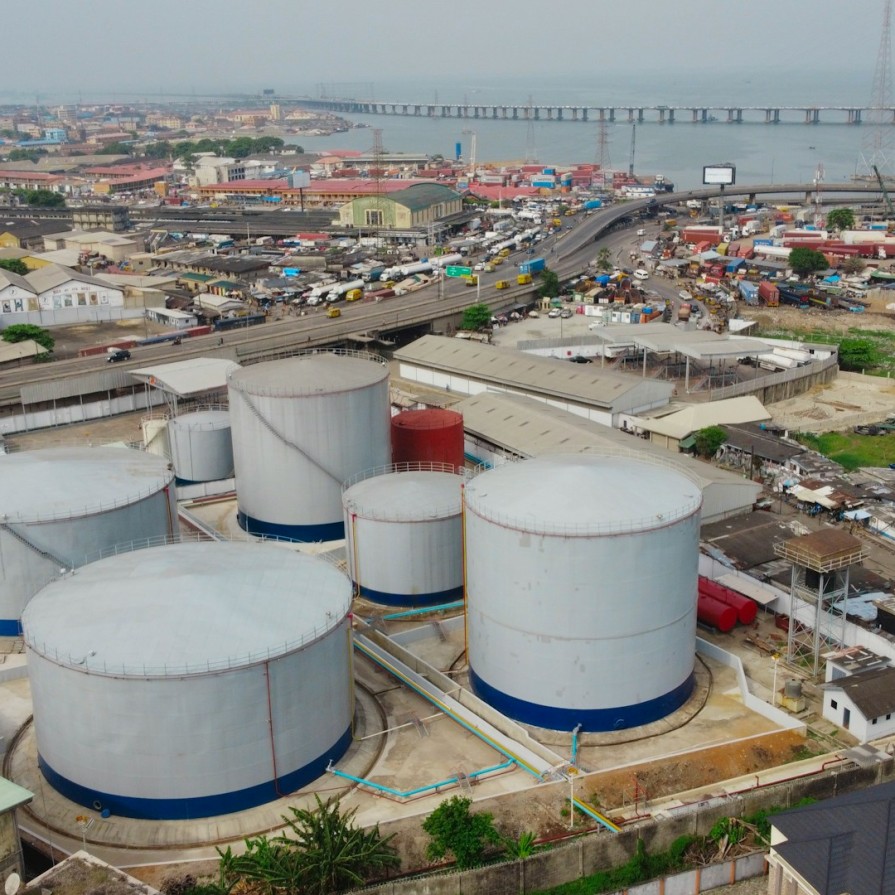
Nigeria Achieves 15-Month High in Crude Oil Production
The Nigerian Upstream Petroleum Regulatory Commission (NUPRC) has reported that Nigeria's crude oil production reached its highest level in 15 months during May 2025. As Africa's leading oil producer, Nigeria successfully pumped 1.53 million barrels of crude oil per day (bpd), marking the highest output since January 2025. This significant milestone coincides with Nigeria's ability to finally meet its maximum production quota under OPEC agreements, following years of challenges including pipeline vandalism, oil theft, and leaks that have constrained output.
Production Breakdown and OPEC Compliance
The latest production figures demonstrate Nigeria's successful efforts to overcome previous operational challenges. According to the NUPRC data, Nigeria's crude oil production in May 2025 exceeded its OPEC+ quota, highlighting the country's restored operational capacity in the oil sector.
- May crude oil production: 1.53 million bpd
- OPEC+ assigned quota: 1.5 million bpd
- Actual production vs. quota: 102% compliance
- Condensate production: 170,446 bpd
- Total oil and condensate production: 1.7 million bpd
This marks the first time Nigeria has averaged over 1.7 million bpd in a month since July 2025. The sustained growth in Nigeria's crude oil and condensate production throughout this year is particularly noteworthy. Total oil production has increased from 1.48 million bpd in February to 1.7 million bpd in May, according to NUPRC figures.
Overcoming Historical Challenges
For several years, Nigeria struggled to meet its assigned production quotas due to persistent pipeline vandalism and force majeure situations at major export terminals. The Niger Delta region, the heart of Nigeria's oil industry, has long been plagued by security challenges, including militancy, oil theft, and infrastructure sabotage. These issues have significantly hampered the country's ability to produce at optimal capacity.
However, through the implementation of robust security measures and technological solutions aimed at curbing oil theft and vandalism in the Niger Delta region, Nigeria has made substantial progress in increasing crude oil production. The government has demonstrated renewed commitment to developing the sector further, with ambitious targets extending to 2030.
Global Supply Response Strategy
Nigeria's increased oil production comes at a critical time when global markets are experiencing significant supply disruptions due to ongoing geopolitical tensions, particularly the conflict involving Iran. The country's authorities are actively boosting crude oil output to address substantial supply gaps in the global market.
Current plans aim to increase production by an additional 100,000 bpd in the near term to capitalize on emerging opportunities in the global supply chain. This strategic response positions Nigeria as a more reliable supplier in an increasingly volatile oil market.
Future Production Targets
The Nigerian National Petroleum Company (NNPC) has set ambitious targets for further production growth. According to Udy Ntia, NNPC's Upstream Executive Vice President, Nigeria aims to increase its crude oil production to 2 million bpd within the next two years. This target represents a significant increase from current levels and would substantially elevate Nigeria's position in the global oil market.
These expansion plans include both enhanced recovery from existing fields and development of new discoveries. The Nigerian government has been actively seeking investment and technological partnerships to support these production goals.
Nigeria Oil Production Summary (2025)
| Period | Crude Oil Production (bpd) | Condensate Production (bpd) | Total Production (bpd) |
|---|---|---|---|
| February 2025 | 1,480,000 | N/A | 1,480,000 |
| March 2025 | 1,500,000 | 150,000 | 1,650,000 |
| April 2025 | 1,515,000 | 160,000 | 1,675,000 |
| May 2025 | 1,530,000 | 170,446 | 1,700,000 |
With these improved operational capabilities and ambitious growth targets, Nigeria is progressively reaffirming its position on the global oil production map. The country's ability to overcome past challenges and meet international obligations demonstrates the effectiveness of recent reforms and security measures implemented in the oil sector.
As global energy markets continue to face uncertainties, Nigeria's increased production capacity provides much-needed stability and flexibility to the international oil supply chain. The country's successful trajectory in the oil sector also bodes well for its economic diversification efforts and long-term development goals.