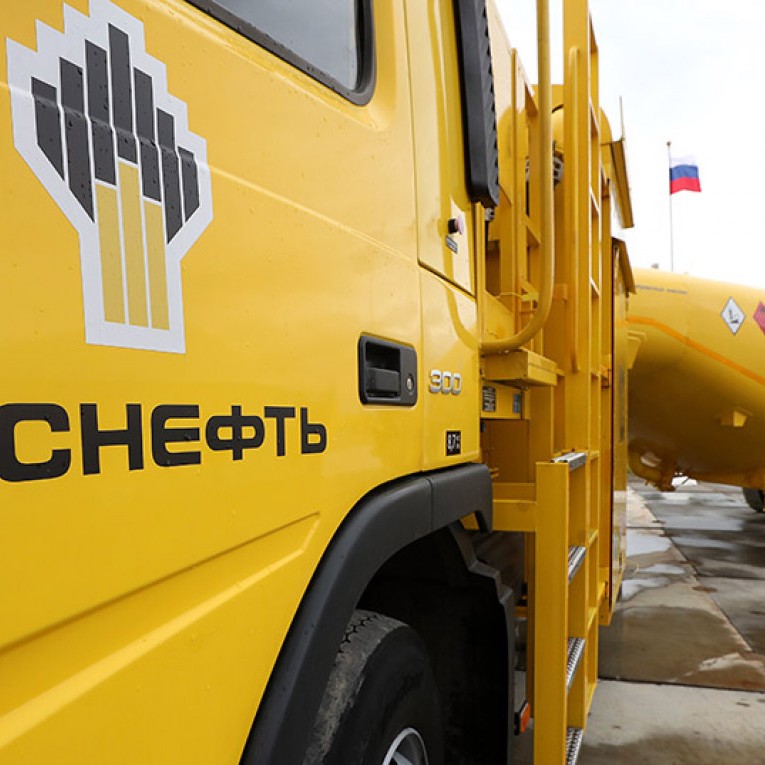
Russia Approves Lower-Quality Fuel Production to Address Fuel Crisis
The Russian government has authorized several refineries to produce gasoline and diesel with higher sulfur content and lower environmental standards in an effort to mitigate the ongoing fuel shortage, according to a Kommersant report published on Monday.
Authorities have extended the relaxed regulations, which were initially implemented in autumn 2025, according to an anonymous source cited by Kommersant. These measures permit the production of fuel with quality standards below normal requirements, aiming to increase output and alleviate domestic supply pressures.
Export Bans to Protect Domestic Supply
In addition to relaxing production standards, Russia is attempting to address the domestic fuel shortage by banning exports of refined petroleum products. Currently, gasoline exports have been prohibited to all participating markets, while traders are banned from exporting diesel fuel until July 31.
Earlier this month, Russia banned aviation fuel exports until November 30, 2026, as the country seeks to ensure sufficient domestic aviation fuel supply amid intensifying Ukrainian drone attacks on Russian oil refinery infrastructure.
On June 1, Russia announced a temporary ban on aviation fuel exports until the end of November to maintain adequate domestic aviation fuel supplies. The Russian government stated that supplies under intergovernmental agreements are exempt from the ban.
Escalating Fuel Shortage Situation
Meanwhile, Russian authorities and regional governors are attempting to reassure the public that there is no fuel shortage, as Ukraine's drone campaign against Russian oil refineries and fuel supply lines intensifies.
Ukraine has escalated attacks this month on major fuel supply lines in Russian-occupied territories, including Crimea and Mariupol. Several regions of Russia have experienced fuel shortages as Ukraine targets Russian oil refineries.
Government Denial of Crisis
Officials are downplaying the fuel crisis. Alexander Drozdenko, governor of the northwestern Leningrad region, stated last week that "Fuel is being delivered according to plan, there is no shortage," according to Bloomberg.
The regional official noted that isolated complaints about fuel shortages "do not reflect the general situation." Other officials have made similar statements, attempting to reassure the public that the situation is under control.
Recognition of Declining Oil Production
Earlier this month, Russia for the first time acknowledged that its oil production is declining. Russia's crude oil output has decreased since the beginning of the year as some local refineries undergo unscheduled maintenance and repairs, Deputy Prime Minister Alexander Novak stated, marking the first public admission from Moscow about declining production.
| Russian Fuel Export Bans | |
|---|---|
| Fuel type | Export ban duration |
| Gasoline | Permanent (for all markets) |
| Diesel fuel | Until July 31 |
| Aviation fuel | Until November 30, 2026 |
| Impact on Russian Oil Production | |
|---|---|
| Timeline | Events/Conditions |
| Since early 2026 | Crude oil production decline |
| June 2026 | First public admission of production decline |
| Cause | Refinery maintenance and repairs not scheduled in advance |
Situation Analysis
Russia's decision to relax fuel quality standards and impose export bans indicates the emergency situation the country's energy sector is facing. Ukrainian attacks on oil refinery infrastructure, combined with international sanctions, have created a double blow to Russia's oil industry.
The acknowledgment of declining oil production represents a significant step from the Moscow government, suggesting the situation is more serious than initially disclosed. This could have broader implications for the global energy market, as Russia remains one of the world's largest oil producers.
However, lowering environmental standards may lead to long-term consequences regarding pollution and public health, while export bans could deteriorate relations with Russia's traditional trading partners.
The fuel crisis in Russia is likely to continue in the coming period, particularly as Ukrainian attacks on oil infrastructure show no signs of abating. Russia's challenge of maintaining production while protecting infrastructure from attacks will be a difficult equation for the Moscow government to solve in the near term.