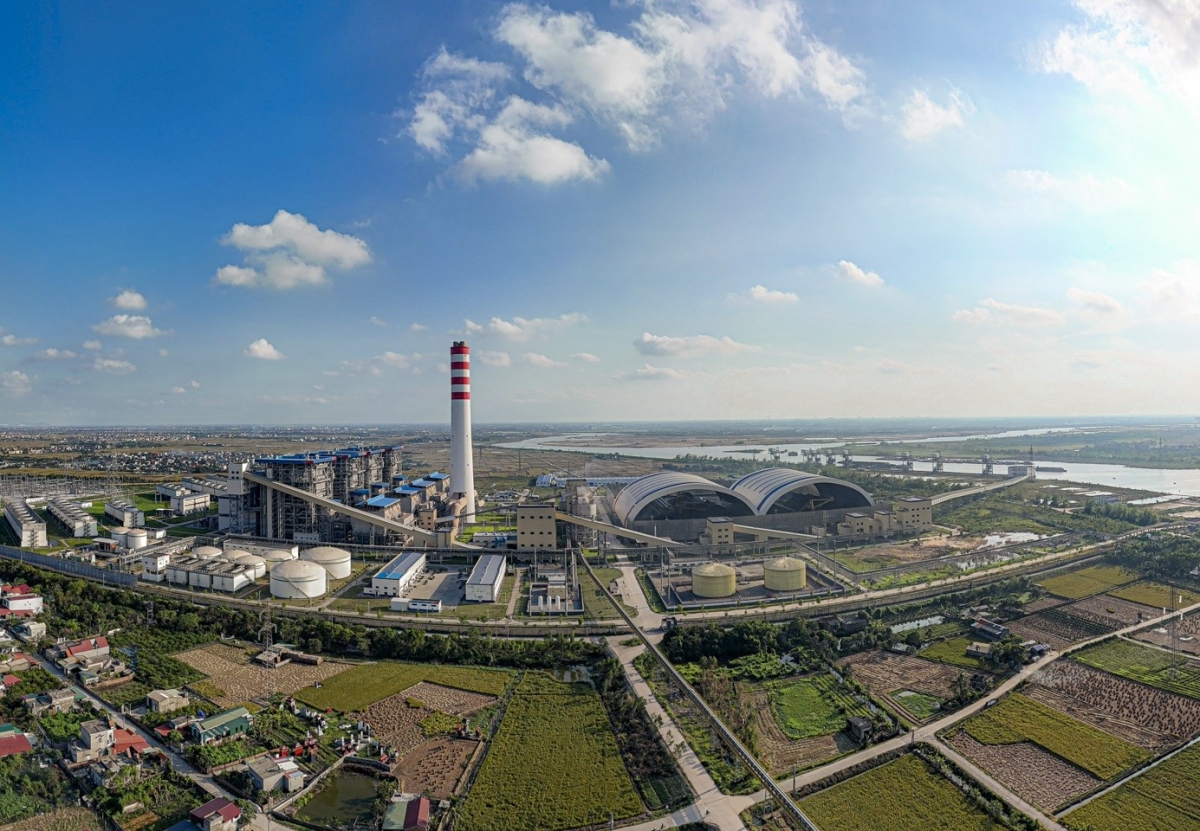
New Regulation on Electricity Generation Service Prices for BOT Power Plants in Vietnam Effective July 28, 2026
On June 15, 2026, the Ministry of Industry and Trade issued Circular No. 30/2026/TT-BCT stipulating the method for determining electricity generation service prices for power plants invested under the Build-Operate-Transfer (BOT) form. This regulation will come into official effect on July 28, 2026, marking a significant transformation in the electricity pricing mechanism for BOT projects—one of the most important investment models in Vietnam's energy sector.
Background of the Circular's Issuance
Vietnam is currently in a period of rapid economic development, leading to increasing energy demand. Electricity plays a pivotal role in this context, but the sector is facing numerous challenges regarding capital and technology. The BOT (Build-Operate-Transfer) model has been widely applied to attract private investment in the energy sector, particularly in power generation.
However, determining electricity generation service prices for BOT power plants has always been a complex issue, requiring a balance between the interests of investors, electricity companies, and consumers. Circular No. 30/2026/TT-BCT was established to create a transparent, fair, and sustainable legal framework for these projects.
The BOT Model in Vietnam's Electricity Sector
The BOT (Build-Operate-Transfer) model is a contract form between a state agency and a private investor, whereby the investor is granted the right to invest, construct, operate, and manage a project for a specified period to recover capital and generate profits, after which it is transferred back to the state.
In the electricity sector, BOT has been successfully applied to many projects such as thermal power plants, hydropower plants, solar power, and wind power. As of early 2026, Vietnam has approximately 30 power plants with a total capacity of over 15,000 MW invested under the BOT model.
Main Contents of Circular No. 30/2026/TT-BCT
Circular No. 30/2026/TT-BCT stipulates detailed methods for determining electricity generation service prices for BOT power plants, including the following main contents:
- Scope of application: Applies to BOT power plants that have signed contracts and become operational, or new projects approved after the Circular takes effect.
- Price determination principles: Ensures transparency, reasonableness, competitiveness, sustainability, and alignment with the national power development planning.
- Price components: Includes investment costs, operation and maintenance costs, financial costs, reasonable profits, and other costs as stipulated.
- Price calculation method: Uses the Levelized Cost of Energy (LCOE) method combined with specific factors of each project.
- Periodic price adjustment mechanism: The service price will be reviewed and adjusted every 3 years based on fluctuations in input factors and actual operational performance.
- Approval process: A strict process from the project investor, through specialized departments of the Ministry of Industry and Trade, to approval according to authority levels.
Detailed Price Determination Method
The Circular stipulates a method for determining electricity generation service prices based on the actual investment costs and operational efficiency of the power plant. Specifically, the electricity generation service price (P) is determined by the formula:
P = (C + O + M + F + R) / Q
Where:
- C: Allocated investment costs over the operating period (VND)
- O: Operating costs (VND)
- M: Maintenance and repair costs (VND)
- F: Financial costs (interest on loans, management fees, etc.) (VND)
- R: Reasonable profit (maximum 14% of total investment) (VND)
- Q: Actual electricity output during the period (kWh)
For renewable energy power plants, the Circular includes additional support price mechanisms to ensure competitiveness and attract investment.
Price Adjustments Over Time
According to the regulation, electricity generation service prices will be adjusted periodically every 3 years based on the following factors:
- Exchange rate fluctuations
- Changes in fuel costs (for thermal power plants)
- Changes in electricity purchase prices from other sources
- Changes in actual capacity compared to design capacity
- Changes in tax and fee policies
This adjustment mechanism ensures flexibility and suitability to market conditions while protecting the interests of both investors and consumers.
Impacts of the New Regulation
The issuance of Circular No. 30/2026/TT-BCT is expected to create significant impacts on related parties:
For BOT Investors
- Creates a transparent legal framework, helping investors more accurately calculate project profitability
- Reduces legal and financial risks when participating in BOT projects
- Increases competitiveness in attracting investment to the energy sector
For Electricity Enterprises
- Clear regulations on electricity purchase prices help electricity enterprises develop more accurate financial plans
- Reduces risks in negotiating electricity purchase contracts with BOT power plants
- Increases transparency in electricity trading activities between enterprises
For Consumers
- Ensures reasonable electricity prices, preventing price increases due to non-transparent costs from BOT power plants
- Ensures stable and quality electricity supply
- Promotes renewable energy development, contributing to environmental protection
Comparison with Previous Regulations
Circular No. 30/2026/TT-BCT replaces Decision No. 24/2021/QD-TTg on the electricity pricing mechanism for BOT power plants. The table below compares the key differences:
| Criteria | Previous Regulation (Decision 24/2021) | New Regulation (Circular 30/2026) |
|---|---|---|
| Price determination method | Mainly based on actual investment costs | Combination of investment costs and operational efficiency (LCOE method) |
| Maximum profit | 12% of total investment | 14% of total investment Additional bonus/penalty mechanism based on operational performance |
| Price adjustment cycle | Every 5 years | Every 3 years |
| Adjustment factors | ||
| Application scope | Thermal power plants, hydropower plants | Extended to include solar power, wind power, and other types |
Expected Implementation and Implementation Roadmap
Circular No. 30/2026/TT-BCT takes effect from July 28, 2026. To ensure a smooth transition, the Ministry of Industry and Trade has developed the following implementation roadmap:
- From now until July 28, 2026: Organize training and dissemination of information to agencies, enterprises, and investors about the new regulations.
- From July 28, 2026 to December 31, 2026: Apply pilot testing to new projects approved during this period.
- From January 1, 2027: Fully apply to all BOT power plants.
- During 2027: Organize impact assessment and make necessary adjustments (if any).
For BOT power plants that became operational before July 28, 2026, the service price will continue to be applied according to the signed contract until the next price adjustment point according to the new regulations.
Conclusion and Expert Perspectives
The issuance of Circular No. 30/2026/TT-BCT marks a significant step in improving the legal framework for BOT power projects in Vietnam. This regulation not only creates transparency and fairness in the pricing mechanism but also contributes to attracting private investment in the energy sector, especially renewable energy.
According to expert analysis, Circular No. 30/2026/TT-BCT will help Vietnam achieve sustainable development goals in the electricity sector, ensuring national energy security while reducing greenhouse gas emissions. However, for effective implementation, close coordination between ministries, sectors, and localities is required, along with strict monitoring of implementation to ensure compliance with the regulations.
The future of BOT power projects in Vietnam will depend greatly on the implementation of this Circular. If effectively applied, it will be a successful public-private partnership model, contributing significantly to the country's socio-economic development.