Russia-Vietnam Energy Partnership: New Development Trajectory in Oil and Gas Sector
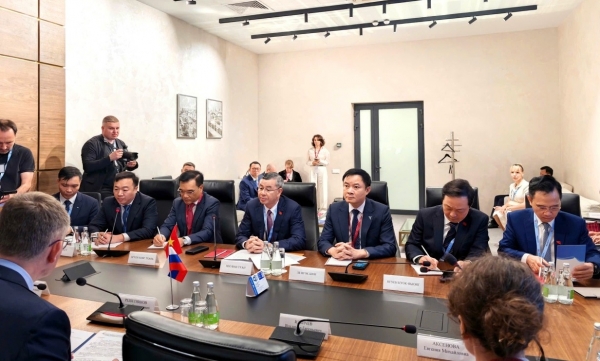
On June 17, within the framework of his participation in the ASEAN-Russia Commemorative Summit marking 35 years of relations in Kazan, Russia, Vietnam's Minister of Finance, Mr. Ngô Văn Tuấn, held bilateral talks with Mr. Maxim Reshetnikov, Russia's Minister of Economic Development. This diplomatic encounter not only signifies the strengthening of bilateral relations but also opens up substantial opportunities for collaboration in the oil, gas, and energy sectors.
The meeting took place against the backdrop of increasing global energy demands and shifting geopolitical dynamics in the energy sector. As both nations seek to diversify their energy portfolios and enhance technological capabilities, this partnership represents a strategic alignment of interests and complementary strengths.
Strategic Objectives of the Cooperation
During the discussions, both parties outlined specific directions for cooperation in the oil, gas, energy, and related industrial sectors. Mr. Ngô Văn Tuấn emphasized the critical importance of developing sustainable and efficient energy solutions, alongside implementing advanced technologies in collaborative projects. The Russian delegation, represented by Minister Reshetnikov, highlighted their nation's technological expertise and experience in developing complex energy infrastructure projects.
The talks reflected a shared vision of creating a resilient energy ecosystem that balances economic development with environmental responsibility. Both ministers acknowledged the need for innovative approaches to energy production, distribution, and consumption in the rapidly evolving global energy landscape.
Key Areas of Collaboration
The bilateral discussions identified several priority areas for cooperation, each representing significant potential for mutual benefit and technological advancement:
- Oil and Gas Development: Enhanced collaboration in exploration, extraction, refining, and distribution of hydrocarbon resources. This includes joint ventures in offshore projects and technology transfer for improving recovery rates from mature fields.
- Renewable Energy: Exploration of solar and wind energy projects, with particular focus on developing Vietnam's vast renewable potential. Russia brings expertise in large-scale energy project implementation, while Vietnam offers growing market opportunities and favorable climatic conditions for renewable energy development.
- Energy Technology: Application of advanced Russian technologies in energy and oil gas sectors, including digitalization of energy systems, smart grid technologies, and next-generation drilling and extraction technologies.
- Energy Efficiency: Joint initiatives to improve energy efficiency in industrial processes and urban infrastructure, leveraging both nations' technical expertise and experience.
- Workforce Development: Educational and training programs to build specialized human capital in the energy sector, ensuring sustainable long-term development of the partnership.
Historical Context and Current Significance
The Russia-Vietnam energy cooperation has deep historical roots, dating back to the Soviet era when technical assistance was provided to develop Vietnam's oil and gas sector. This partnership has evolved significantly over the decades, adapting to changing global energy landscapes and technological advancements.
Current cooperation builds on this foundation while addressing contemporary challenges such as energy security, environmental sustainability, and technological innovation. The meeting in Kazan represents a renewed commitment to strengthening these ties in alignment with both nations' economic development strategies and global energy transition goals.
Future Prospects and Implementation Framework
The cooperation between Vietnam and Russia in the oil, gas, and energy sectors promises substantial economic benefits for both nations while contributing to sustainable development in the region. Both parties have affirmed their commitment to advancing strategic cooperative projects aimed at enhancing capacity and efficiency in the energy sector.
Implementation of these initiatives will likely follow a phased approach, beginning with feasibility studies and technology demonstrations before scaling to full commercial deployment. The framework may include joint ventures, technology licensing agreements, and knowledge-sharing platforms designed to maximize mutual benefits.
Particular attention is expected to be paid to developing projects that align with global sustainability goals, including those that incorporate carbon capture technologies and reduce the environmental footprint of energy operations. This focus on sustainability reflects both nations' commitments to international climate agreements and their recognition of the importance of responsible resource development.
Regional and Global Implications
The Russia-Vietnam energy partnership extends beyond bilateral interests, with potential implications for regional energy security and global energy markets. As Southeast Asia continues to experience rapid economic growth and energy demand, collaborative projects between Vietnam and Russia could contribute to regional stability and energy diversification.
Additionally, this partnership may serve as a model for other nations seeking to balance energy development with environmental considerations. By combining Russia's technological expertise with Vietnam's market opportunities and strategic location, the collaboration could establish new benchmarks for sustainable energy development in emerging economies.
| Cooperation Area | Specific Activities | Potential Impact |
|---|---|---|
| Oil and Gas | Joint exploration, enhanced oil recovery techniques, refinery modernization | Increased production efficiency, energy security for Vietnam, market access for Russian technology |
| Renewable Energy | Solar and wind farm development, grid integration solutions | Diversification of energy mix, reduction of carbon emissions, creation of green jobs |
| Energy Technology | Digitalization of energy systems, smart grid implementation, advanced drilling technologies | Improved operational efficiency, enhanced energy reliability, technological advancement |
| Energy Efficiency | Industrial energy audits, building retrofits, consumption management systems | Reduced energy waste, lower operational costs, environmental benefits |
Conclusion: A Strategic Partnership for the Future
The dialogue between Vietnamese and Russian leadership marks a significant milestone in the bilateral relationship and opens prospects for deeper cooperation in the energy sector. With substantial potential in oil, gas, and renewable energy resources, both nations can pursue sustainable development pathways that contribute to regional stability and global energy security.
As the energy landscape continues to evolve, the Russia-Vietnam partnership stands as a testament to the value of international collaboration in addressing complex energy challenges. By combining complementary strengths and resources, both nations are well-positioned to navigate the transition toward a more sustainable and technologically advanced energy future.
The successful implementation of these collaborative initiatives will not only strengthen bilateral relations but also demonstrate the potential for mutually beneficial partnerships in the global energy sector. As both Vietnam and Russia continue to advance their respective energy agendas, this cooperation is likely to serve as a cornerstone of their strategic relationship for years to come.