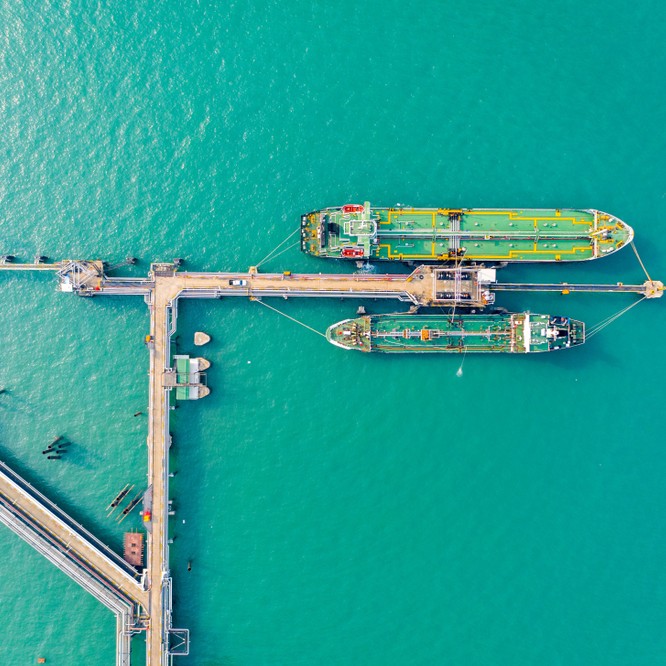
Philippines Moves to Formalize Long-Term Oil Supply Agreement with Russia
In the midst of escalating energy crises and geopolitical tensions, the Philippines is considering formalizing a long-term oil purchase agreement with Russia, according to statements from President Ferdinand R. Marcos Jr. This potential deal represents a significant shift in the Southeast Asian nation's energy strategy as it seeks to diversify its sources of petroleum imports and reduce vulnerability to regional conflicts.
The Philippines has been among the hardest-hit economies in Asia by the current energy supply crisis, triggered by conflicts in the Middle East. The country has temporarily relied on Russian oil supplies to compensate for shortages from traditional Middle Eastern sources. Now, the nation is working to establish more permanent arrangements with Russia as a method of supply diversification, reducing excessive dependence on oil that must pass through the Strait of Hormuz to reach the Philippines.
"Now we are beginning to establish that system and I think this will be very good for the Philippines to have another guaranteed source when it comes to petroleum products," President Marcos stated regarding the Russian oil supply agreement, according to Philippine media reports.
"In terms of energy, there is no formal agreement yet, just an understanding that we will continue to develop what we started as a response to the oil crisis that is a consequence of the war in the Middle East, which we hope will end soon," the President added.
Philippines' Energy Landscape
Before the conflict began, the Philippines imported 98% of its petroleum from the Middle East. Even if the war in the Middle East ends, the Philippines will continue to seek "non-traditional partners in supplying petroleum products," according to President Marcos, who noted that the country now has more oil supply options than before the conflict.
The Philippines, which declared a national energy emergency state in March, imported its first ESPO crude from Russia in April after a six-year absence. This marked a significant departure from the country's traditional energy sourcing patterns.
| Detail Information | Data |
|---|---|
| Percentage of oil imports from Middle East before crisis | 98% |
| Date of national energy emergency declaration | March |
| Date of ESPO crude import from Russia | April (after 6 years) |
| Strategic objective | Diversify oil supply sources |
Diversification Strategy
The turn to Russia is not merely a crisis response but a long-term strategic move by the Philippines to mitigate geopolitical risks. The heavy dependence on Middle Eastern oil has left the Philippines vulnerable to any conflicts in the region.
"We have realized that depending on a single supply source is unsustainable," a Philippine Department of Energy official stated. "Especially when the route through the Strait of Hormuz is becoming increasingly unstable due to escalating tensions between Iran and Western countries."
Significance of the Russia Agreement
The import of ESPO crude from Russia marks a significant turning point in the Philippines' energy policy. This crude oil, extracted from Russia's Far East region, offers an alternative to Middle Eastern grades, helping the Philippines reduce its dependence on politically sensitive maritime routes.
The potential agreement also reflects a global trend of seeking alternative energy supplies as traditional markets become unstable. Many countries are attempting to diversify their oil supplies to minimize geopolitical and economic risks.
Impact on National Energy Security
Establishing a stable oil supply from Russia could bring significant benefits to the Philippines' energy security. The country has experienced fuel shortages and price hikes in recent months, affecting both the economy and daily life of its citizens.
"A guaranteed supply from Russia will help stabilize prices and ensure the necessary petroleum supplies for economic operations and consumer demand," energy expert Juan Dela Cruz commented.
However, the agreement also presents political and economic challenges. The Philippines will need to balance economic benefits with diplomatic relations with Western countries, which have imposed sanctions on Russia.
Future of Philippines' Energy Policy
Nevertheless, President Marcos emphasized that the Philippines will continue to seek non-traditional partners for petroleum supply, even if the Middle East situation stabilizes. This indicates a long-term strategic shift in the country's energy policy.
"This crisis has taught us a valuable lesson about the dangers of depending on a single supply source," President Marcos stated. "We will never allow ourselves to be in such a situation again."
The Philippines is considering various options to diversify its oil supply, including strengthening cooperation with oil producers in Africa, the Americas, and Asia, as well as developing renewable energy sources to reduce dependence on fossil fuels.
This development shows that the Philippines is actively working to enhance its energy security amid unprecedented global energy challenges.