Iraq's Strategic Diversification: Expanding Oil Export Routes Through Syria
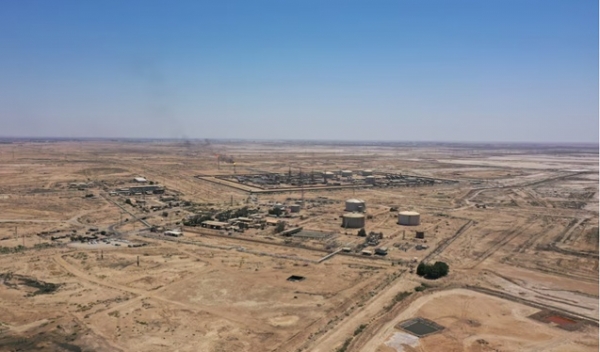
In a significant development reshaping the Middle Eastern energy landscape, Iraq is implementing strategic measures to diversify its oil export infrastructure by establishing new routes through Syrian ports. This ambitious initiative comes as Iraq seeks to overcome persistent challenges in its energy export capabilities while navigating the complexities of regional geopolitics. According to officials from Iraq's energy ministry and Syrian authorities, as well as information obtained from refinery sources, the country is preparing to export both crude oil and naphtha through Syrian coastal facilities, marking a pivotal shift in its export strategy.
Background: Iraq's Oil Export Challenges
As one of the world's largest oil producers, Iraq has long grappled with infrastructure limitations that have constrained its export capacity. The country's primary export routes have traditionally relied on the Persian Gulf, with terminals like Basra and Khor al-Amaya handling the majority of its oil shipments. However, these routes have faced persistent challenges:
- Geographic constraints: The southern routes require extensive transit through the Persian Gulf, exposing shipments to potential maritime bottlenecks and security concerns.
- Capacity limitations: Existing infrastructure often operates at or near maximum capacity, limiting Iraq's ability to increase production and export volumes.
- Political vulnerabilities: Dependence on neighboring countries for transit has created diplomatic complications and occasional disruptions.
The International Energy Agency (IEA) estimates that Iraq holds the world's fifth-largest proven oil reserves, with approximately 145 billion barrels. Despite this abundance, the country has struggled to maximize its export potential due to these infrastructure and geopolitical limitations.
The Syrian Export Route: Technical Specifications
The new export route through Syrian ports represents a comprehensive solution to Iraq's export challenges. While specific implementation timelines remain undisclosed, industry sources suggest that preliminary infrastructure preparations are already underway.
| Feature | Specification |
|---|---|
| Export Products | Crude oil and Naphtha |
| Primary Syrian Ports | Tartous, Latakia, and Baniyas |
| Proposed Pipeline Capacity | Initial: 300,000 barrels per day (bpd) |
| Projected Expansion | Potential increase to 600,000 bpd |
The planned infrastructure includes the rehabilitation of existing pipelines connecting Iraqi oil fields to Syrian ports, with particular focus on the Kirkuk-Baniyas pipeline. This historic pipeline, which fell into disrepair during years of conflict, is now being revitalized to support the new export strategy.
Geopolitical Implications
The decision to utilize Syrian ports for oil exports carries significant geopolitical ramifications. This move aligns Iraq with regional powers that have maintained relations with Syria throughout its civil conflict, potentially reshaping diplomatic dynamics in the Middle East.
From Iraq's perspective, this diversification represents a pragmatic approach to energy diplomacy. By establishing multiple export routes, Iraq reduces its vulnerability to political pressures from any single neighboring country while expanding its international partnerships. The Syrian route offers a direct path to Mediterranean markets, bypassing the Strait of Hormuz—a strategically sensitive chokepoint through which a significant portion of global oil shipments pass.
The development also reflects a broader trend in Middle Eastern energy geopolitics, as countries increasingly seek to diversify their export infrastructure beyond traditional routes. This shift is particularly significant given the growing competition in global energy markets and the evolving alliances in the region.
Economic Impact and Market Dynamics
The introduction of Iraqi oil through Syrian ports is poised to create ripples across global energy markets. The Mediterranean market, which has traditionally relied on North African and Russian supplies, will gain access to a significant new source of Iraqi crude. This increased supply could influence pricing dynamics in the region and potentially affect global oil benchmarks.
For Iraq, the economic benefits are substantial:
- Export revenue enhancement: By expanding export capacity, Iraq can increase production volumes and boost government revenues, which are heavily dependent on oil sales.
- Market diversification: Access to European markets through Mediterranean ports offers Iraq the opportunity to diversify its customer base beyond traditional Asian buyers.
- Transportation cost reduction: Shorter shipping distances to European markets compared to routes through the Indian Ocean and Suez Canal could reduce transportation costs by an estimated 15-20%.
The development may also influence regional refining patterns. Syrian refineries, which have operated below capacity in recent years, could benefit from increased throughput, while European refiners may gain access to a new competitive crude source.
Implementation Challenges and Risks
Despite the strategic advantages, the Syrian export route presents significant challenges that must be addressed:
| Challenge Category | Specific Issues | Mitigation Strategies |
|---|---|---|
| Political | Regional tensions, international sanctions, and security concerns | Diplomatic negotiations, phased implementation, security cooperation |
| Infrastructure | Pipeline deterioration, port capacity limitations, maintenance needs | Targeted investment, technical partnerships, gradual scaling |
| Financial | High capital requirements, uncertain return on investment | International financing, public-private partnerships |
| Operational |