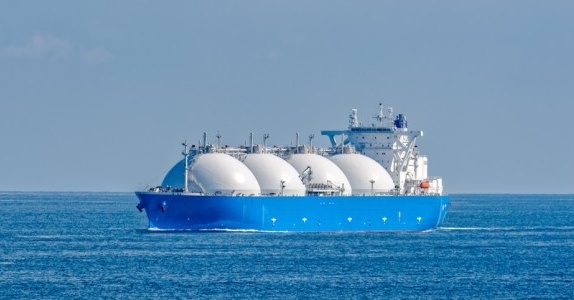
Qatar Accelerates LNG Export Recovery Amid Ras Laffan Challenges
As the world's largest exporter of liquefied natural gas (LNG), Qatar is making significant efforts to restore its gas export operations despite substantial challenges. The Middle Eastern nation is recalling empty LNG tankers back to the country in preparation for early resumption of exports, while repair work at the Ras Laffan complex continues and a recent explosion has shaken the facility.
The Critical Importance of Ras Laffan
Ras Laffan stands as one of the world's largest LNG production and export facilities, playing a vital role in Qatar's gas industry. With its massive processing capacity, the complex contributes significantly to Qatar's total LNG output, accounting for approximately 77% of the country's global LNG export capacity.
The recent incident at Ras Laffan has raised significant concerns about the global LNG supply chain, particularly as gas demand rises in Asia and Europe amid the ongoing energy crisis.
Impact of the Recent Explosion
News of the explosion at the Ras Laffan facility last Sunday surprised the global energy market. While there has been no official confirmation regarding the extent of the damage, sources report that the incident disrupted operations in several areas of the complex.
The Qatari government and energy companies have responded swiftly, confirming that the situation is under control and that no significant casualties occurred. However, the impact on production and export operations remains a primary concern.
Qatar's Recovery Efforts
To mitigate the effects of the incident, Qatar has implemented a rapid recovery plan. One of the most important measures has been recalling empty LNG tankers back to the country, preparing to receive and export products.
The Ministry of Energy Qatar has been working closely with shipping companies and LNG plants to ensure the earliest possible resumption of export activities. The goal is to minimize downtime and maintain Qatar's position as a reliable LNG supplier in the global market.
Remediation Measures
- Enhanced safety inspections at all LNG production facilities
- Allocation of resources to accelerate repair work at Ras Laffan
- Implementation of detailed technical inspections to ensure product quality
- Strengthened coordination with international partners to ensure supply chain stability
Impact on the Global Energy Market
Qatar is the world's largest LNG producer with a capacity of approximately 77 million tons per year. Any disruption in the country's export operations could significantly impact global LNG prices and supply.
In the current context, as many countries strive to reduce dependence on Russian energy and shift to alternative sources, ensuring stable LNG supply has become more crucial than ever. The Ras Laffan incident has raised concerns about the market's ability to meet increasing demand.
| Parameter | Pre-incident | During Disruption | Post-remediation Projection |
|---|---|---|---|
| LNG Production (million tons/year) | 77 | 75 (temporary reduction) | 77 |
| Average Export Time | Continuous | 10-15% reduction | Continuous |
| Number of Active LNG Carriers | 60+ | 55-58 | 60+ |
Long-term Vision for Qatar's LNG Industry
Despite facing short-term challenges, Qatar remains committed to its long-term vision for the LNG industry. The country continues to invest in existing infrastructure and develop new projects to maintain its leading position.
The North Field Expansion Project, one of the world's largest LNG projects, is proceeding according to schedule. Upon completion, this project will increase Qatar's LNG production capacity, helping meet the growing demand of the global market.
Qatar's Diversification Strategy
In addition to focusing on LNG, Qatar is diversifying its energy portfolio. The country is investing in renewable energy sources and green hydrogen technology to reduce dependence on hydrocarbons in the long term.
However, LNG will remain a cornerstone of Qatar's energy strategy for decades to come, with significant commitments to infrastructure and advanced technology.
Conclusion
The recent incident at Ras Laffan has presented significant challenges for Qatar, but the country's swift and decisive response demonstrates a strong commitment to maintaining its position as the world's leading LNG supplier. With effective remediation measures and a clear long-term vision, Qatar is expected to overcome current difficulties and continue playing a crucial role in the global energy market.
The restoration of LNG export operations is not only vital for Qatar's economy but also has significant implications for global energy security, particularly as countries seek stable and reliable energy sources.