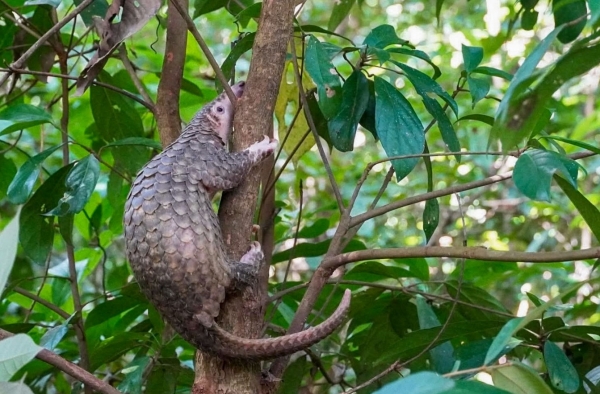
Quảng Ngãi: Successful Release of Four Rare Animal Species Back into Natural Habitat
In a significant conservation effort, local authorities in Sa Thầy district, Quảng Ngãi province, along with relevant agencies, have successfully released four rare animal species back into their natural habitat at Chư Mom Ray National Park. This initiative represents a crucial step in preserving endangered species and combating wildlife trafficking in Vietnam.
The operation was conducted with meticulous planning and collaboration between multiple stakeholders, including forest protection units, wildlife rescue centers, and local conservation organizations. The successful release not only contributes to biodiversity conservation but also sends a strong message about Vietnam's commitment to protecting its natural heritage.
Comprehensive Overview of Released Species
The four animal species released into the wild represent important components of Vietnam's biodiversity. Each species plays a unique role in the ecosystem and has faced significant threats from habitat loss and illegal wildlife trade.
| Species | Conservation Status | Key Characteristics | Ecological Role |
|---|---|---|---|
| Monitor Lizard | Classified as rare | Large reptile with excellent survival capabilities, sharp claws, and a forked tongue | Predator that helps control populations of small animals and insects |
| Pangolin | Critically endangered | Mammal with protective keratin scales, ability to roll into a ball when threatened | Controls insect populations, particularly ants and termites |
| Yellow Mountain Turtle | Classified as rare | Distinguished by its yellowish coloration and high ecological value | Seed disperser, contributes to forest regeneration |
| Keeled Mountain Turtle | Classified as rare | Unique appearance with distinctive shell patterns and coloration | Indicates forest health, contributes to nutrient cycling |
The Rescue and Rehabilitation Process
The journey of these four animals back to freedom began with their confiscation from illegal captivity. Forest protection units in coordination with local police conducted operations to dismantle wildlife trafficking networks, rescuing these animals from potentially harmful situations.
Upon rescue, the animals were transferred to a specialized wildlife rescue center where they underwent comprehensive health examinations. Veterinary experts assessed their physical condition, nutritional status, and psychological well-being to determine appropriate rehabilitation protocols.
The rehabilitation process lasted several months and included:
- Quarantine periods to prevent disease transmission
- Nutritional rehabilitation to restore optimal health
- Behavioral conditioning to restore natural instincts
- Pre-release training to enhance survival skills in the wild
Particular attention was given to the pangolin, which requires specialized care due to its unique dietary needs and delicate temperament. The mountain turtles received habitat-specific preparation to ensure they could adapt to the forest environment at Chư Mom Ray National Park.
Significance of the Release Operation
The release of these four rare animal species carries profound ecological and conservation significance. Chư Mom Ray National Park was selected as the release site due to its suitable habitat conditions and existing conservation status as a protected area.
This national park, established in 2002, covers an area of approximately 55,000 hectares and represents one of the last remaining tracts of lowland evergreen forest in central Vietnam. The park's diverse ecosystems provide ideal habitats for numerous endangered species, making it an optimal location for reintroduction programs.
The ecological impact of releasing these animals extends beyond their individual survival. Each species contributes to maintaining ecological balance:
- Monitor lizards help regulate prey populations
- Pangolins control insect populations while aerating soil through their foraging activities
- Mountain turtles contribute to seed dispersal and forest regeneration
Monitoring and Future Conservation Efforts
Following the release, conservation teams have implemented a comprehensive monitoring program to track the animals' adaptation to their natural habitat. This includes:
- Regular patrols in the release area
- Camera trap installations to observe animal behavior
- Radio collar tracking for selected individuals
- Community-based monitoring involving local residents
The local authorities have committed to strengthening anti-poaching measures in and around Chư Mom Ray National Park. This includes increasing patrols, improving surveillance technology, and enhancing law enforcement capabilities to deter wildlife trafficking activities.
Additionally, education and awareness programs will be expanded in local communities to foster a culture of conservation. These initiatives aim to reduce human-wildlife conflicts and promote sustainable practices that benefit both local communities and biodiversity conservation.
Broader Implications for Wildlife Conservation in Vietnam
This successful release operation aligns with Vietnam's broader conservation goals and international commitments. Vietnam has been working to strengthen its legal framework and enforcement mechanisms to combat wildlife trafficking and protect endangered species.
The country has also been actively participating in regional and international conservation initiatives, recognizing that wildlife protection transcends national boundaries. Collaboration with neighboring countries and international organizations has been crucial in addressing transboundary wildlife crime.
However, challenges remain. Wildlife trafficking continues to pose a significant threat to biodiversity in Vietnam and globally. The demand for exotic pets, traditional medicine, and luxury products drives illegal wildlife trade, putting immense pressure on vulnerable species.
Community Involvement and Sustainable Development
A key aspect of this conservation initiative is the involvement of local communities. The authorities in Quảng Ngãi province have emphasized the importance of engaging local residents in conservation efforts, recognizing that sustainable conservation requires local support and participation.
Alternative livelihood programs are being developed to reduce economic dependence on activities that may harm wildlife. These include eco-tourism initiatives, sustainable agriculture projects, and handicraft businesses that utilize local resources responsibly.
By linking conservation with economic development, authorities aim to create a win-win scenario where both biodiversity and human communities thrive. This approach aligns with global best practices in conservation that recognize the interconnectedness of environmental sustainability and human well-being.
Conclusion and Future Outlook
The successful release of four rare animal species in Quảng Ngãi province represents a significant achievement in Vietnam's conservation efforts. It demonstrates the effectiveness of collaborative approaches to wildlife protection and rehabilitation.
Looking forward, continued commitment and investment in conservation are essential to ensure the long-term survival of these and other endangered species. This includes strengthening legal frameworks, enhancing enforcement capabilities, promoting scientific research, and fostering international cooperation.
As these animals begin their new lives in the wild, they serve as symbols of hope for biodiversity conservation in Vietnam and beyond. Their successful adaptation will contribute to ecological balance and serve as a testament to the positive impact of dedicated conservation efforts.
The story of these four animals—monitor lizard, pangolin, yellow mountain turtle, and keeled mountain turtle—reminds us of our responsibility to protect the natural world and the incredible diversity of life with which we share our planet.