China Expands Energy Horizons with New Russian LNG Terminal
In a strategic move to bolster its energy security amid growing demand, China has announced the opening of a second specialized terminal for importing Liquefied Natural Gas (LNG) from Russia. This development represents a significant milestone in the energy relationship between the two nations and underscores China's commitment to diversifying its energy portfolio in an increasingly complex global landscape.
Escalating Energy Demand in the World's Second Largest Economy
China's rapidly expanding economy, coupled with its ambitious environmental targets, has driven an unprecedented surge in natural gas consumption. As the world's largest energy consumer, China's demand for cleaner energy sources has intensified significantly in recent years. The government's pledge to achieve carbon neutrality by 2060 has accelerated the transition from coal to natural gas, positioning it as a critical bridge fuel in the country's energy transition.
According to the National Energy Administration, China's natural gas consumption has grown at an average annual rate of 10% over the past decade, with imports accounting for approximately 45% of total consumption. This dependency on foreign supplies has prompted Chinese authorities to pursue multiple strategies, including domestic production expansion, alternative energy development, and diversified import sources.
The New Russian LNG Terminal: Technical Specifications and Strategic Importance
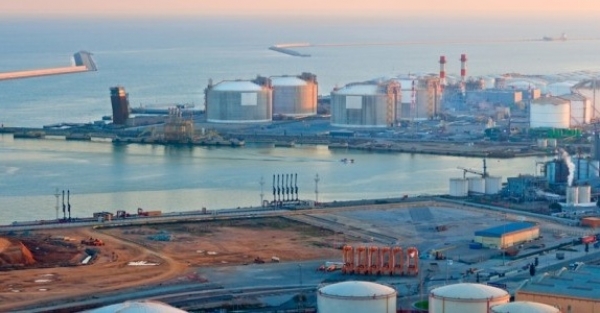
The newly inaugurated LNG terminal represents a substantial investment in China's energy infrastructure. Located in a strategic coastal region with direct maritime access to Russian Arctic shipping routes, the facility features state-of-the-art cryogenic storage tanks with a total capacity of 13.5 million cubic meters. The terminal's processing capacity includes:
- Maximum unloading rate of 26,000 cubic meters per hour
- Regasification capacity of 20 billion cubic meters annually
- Three specialized berths for LNG carriers up to Q-Max class
- Direct pipeline connections to national gas distribution networks
This infrastructure complements China's existing Russian LNG import facilities, creating a more robust and resilient import network. The strategic location of the terminal minimizes transportation time and costs, while its specialized design ensures optimal efficiency in handling Russian LNG products.
Strategic Benefits of Russian LNG Partnerships
The expansion of Russian LNG imports offers China multiple strategic advantages that extend beyond simple energy security:
- Energy Security Diversification: By establishing dedicated infrastructure for Russian LNG, China reduces its reliance on single transportation routes and suppliers, mitigating geopolitical risks in an increasingly volatile global energy market.
- Competitive Pricing Structure: Long-term agreements with Russian suppliers often feature more favorable pricing mechanisms compared to spot market purchases, providing cost stability for Chinese consumers and industries.
- Strategic Economic Cooperation: The energy partnership creates a foundation for broader economic collaboration, including joint development of Arctic resources, technology sharing, and infrastructure investments.
- Environmental Benefits: Natural gas from Russian Arctic projects typically has a lower carbon footprint than many alternative sources, aligning with China's environmental commitments.
Global LNG Market Dynamics and Russia's Position
The global LNG market has undergone significant transformation in recent years, with traditional suppliers facing new competition and emerging players gaining market share. The following table illustrates the current landscape of major LNG producers:
| Country | Current Production Capacity (million tons/year) | Global Market Share (%) | Major Projects |
|---|---|---|---|
| United States | 70 | 19 | Sabine Pass, Cove Point, Freeport |
| Australia | 80 | 22 | Gorgon, Wheatstone, Prelude |
| Qatar | 77 | 21 | North Field, Ras Laffan |
| Russia | 35 | 10 | Sakhalin-2, Yamal LNG |
| Others | 90 | 28 | Malaysia, Nigeria, Algeria, etc. |
Russia's LNG sector has experienced remarkable growth, particularly through its Yamal LNG project in the Arctic region. This facility, developed with French and Chinese partners, has established Russia as a significant player in the Asian LNG market. The country's Arctic LNG 2 project, currently under development, is expected to further increase Russia's export capacity by an additional 19.8 million tons annually by 2025.
Geopolitical Implications of the Energy Partnership
The deepening energy cooperation between China and Russia occurs against a backdrop of shifting global geopolitical alignments. As Western nations implement sanctions and restrictions on Russian energy exports, China has positioned itself as a reliable alternative market, creating a mutually beneficial relationship that strengthens both nations' positions in the global energy landscape.
This energy partnership aligns with China's Belt and Road Initiative, with Russian LNG exports forming a critical component of the Northern Sea Route economic corridor. The integration of Russian energy supplies with China's domestic infrastructure development represents a convergence of strategic economic and geopolitical objectives.
Future Outlook and Expansion Plans
Industry analysts project that China's LNG imports will continue to grow at approximately 8-10% annually through 2030. To meet this demand, China has announced plans to develop additional specialized import terminals, with at least two more facilities capable of handling Russian LNG currently in various stages of planning and development.
Meanwhile, Russia is investing heavily in expanding its LNG production capabilities, with particular focus on Arctic resources. The Russian government has set a target of capturing 20% of the global LNG market by 2035, with Asian markets, particularly China, representing the primary destination for this expansion.
Conclusion: A Strategic Energy Alliance
The opening of China's second specialized Russian LNG terminal represents more than just an infrastructure project—it symbolizes the deepening strategic partnership between two major powers in an era of global energy transition. This collaboration enhances energy security for both nations while creating economic opportunities and reinforcing geopolitical ties.
As the world moves toward a lower-carbon future, the China-Russia energy partnership will likely continue to evolve, potentially expanding to include joint development of carbon capture technologies, hydrogen production, and other clean energy initiatives. This relationship stands as a testament to the enduring importance of energy cooperation in shaping global economic and political dynamics in the 21st century.