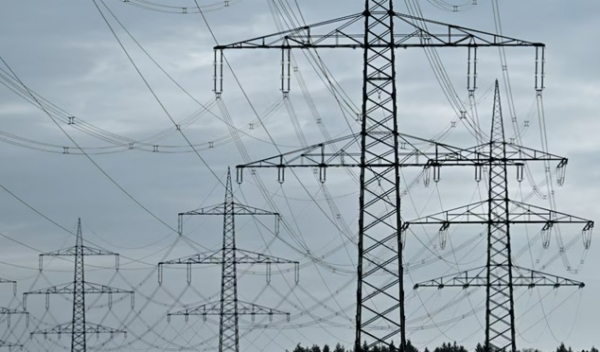
Global Corporations Unite to Accelerate Electrification Transition
On June 22nd, numerous leading multinational corporations, including Nestlé and IKEA, jointly called upon governments to prioritize electrification in their economic strategies. This initiative aims to reduce dependence on volatile fossil fuel prices and enhance global energy security in an increasingly uncertain geopolitical and climate landscape.
The Context Behind the Movement
Against a backdrop of persistent global energy price volatility and increasingly urgent climate commitments, the transition from fossil fuels to electrification has emerged as an irreversible trend. However, the current pace of this transition remains insufficient to meet the world's pressing needs. Electrification—the process of using electrical energy instead of other energy forms in sectors such as transportation, heating, cooking, and industry—is recognized by experts as one of the critical pillars for achieving carbon emission reduction targets.
The Business Community's Call to Action
In a joint declaration, the participating corporations emphasized that electrification represents not merely a climate solution but also significant economic and energy security benefits. They urged governments to implement supportive policies including:
- Substantial investment in renewable energy infrastructure
- Creation of favorable regulatory frameworks for the transition
- Provision of financial incentives for businesses and consumers
- Promotion of research and development for new technologies
Participation of Leading Corporations
Beyond Nestlé and IKEA, numerous other corporations have joined this initiative, demonstrating diverse sectoral commitment to the electrification transition:
| Corporation | Industry Sector | Electrification Commitments |
|---|---|---|
| Nestlé | Food and Beverage | Commitment to achieve net zero emissions by 2050 |
| IKEA | Home Furnishing Retail | Transition to 100% renewable energy usage across operations |
| Unilever | Fast-Moving Consumer Goods | Reduce 50% of emissions from the supply chain by 2030 |
| Siemens | Industry and Technology | Develop electrification solutions for industrial sectors |
Benefits of Electrification
The transition to electrification offers numerous practical advantages:
- Reduced fossil fuel dependence: Helps nations minimize reliance on oil and natural gas supplies, which are subject to frequent price fluctuations.
- Enhanced energy security: Renewable energy sources like solar and wind can be produced locally, reducing energy security risks.
- Greenhouse gas emission reduction: When electricity is generated from renewable sources, electrification significantly reduces CO2 emissions.
- Economic opportunities: Stimulates development of new industries such as battery manufacturing, high-efficiency electronic equipment, and renewable energy systems.
Challenges in the Transition Process
Despite its benefits, the transition to electrification faces numerous challenges:
| Challenge | Impact Level | Proposed Solutions |
|---|---|---|
| Inadequate electrical infrastructure | High | Investment in smart grid upgrades |
| High initial costs | Medium | Financial support mechanisms |
| Lack of suitable technology | Medium | R&D investment and technology transfer |
| Consumer behavior change | Low | Awareness-raising campaigns |
Government and Stakeholder Reactions
Government responses to this call remain varied. Some nations, including the European Union, Canada, and Nordic countries, have demonstrated strong commitments to electrification and implemented corresponding supportive policies. However, many developing countries remain hesitant due to concerns about costs and short-term economic impacts.
Beyond governments, international financial institutions have begun to show increased interest in funding electrification projects. The World Bank and the International Monetary Fund have expressed willingness to support developing countries in their transition processes.
Future Outlook
According to expert projections, if governments and businesses work collaboratively, electrification could account for up to 50% of the global energy market by 2050. This level of adoption would significantly reduce greenhouse gas emissions and contribute substantially to limiting global temperature increase to below 1.5°C, as targeted by the Paris Agreement.
However, achieving this target requires a substantial acceleration in the transition pace. Experts estimate that the rate of electrification needs to increase by at least 2-3 times compared to current levels to meet 2050 climate targets.
Conclusion
The call from global corporations to accelerate the electrification transition signals an important moment demonstrating the private sector's active engagement in the energy transformation. Collaboration between businesses and governments will be crucial to the success of this process, yielding benefits for the economy, environment, and global energy security alike.
This transition represents not merely a choice but an urgent necessity in the context of climate change and volatile energy prices. With growing support from the private sector, there is hope that the electrification process will accelerate significantly in the coming years, paving the way for a more sustainable energy future.