Russia Considers Complete Diesel Export Ban Amid Energy Crisis
In a dramatic shift in energy policy, Russia is contemplating a comprehensive ban on diesel exports as the nation grapples with significant domestic energy market pressures. The proposed measure comes amid refinery disruptions, soaring prices, and supply shortages exacerbated by Ukrainian attacks on critical energy infrastructure.
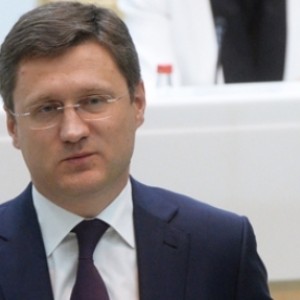
Deputy Prime Minister Alexander Novak announced the potential ban during a government meeting chaired by President Vladimir Putin on Tuesday. Novak acknowledged that the situation in Russia's energy market "is not simple" but maintained that it remains "under control." The government is reportedly considering a complete prohibition on diesel exports alongside other measures aimed at stabilizing the domestic energy supply.
Domestic Energy Market Pressures
Russia's energy sector faces unprecedented challenges as a series of Ukrainian drone attacks have targeted key refineries and distribution infrastructure across the country. These attacks have significantly disrupted production capabilities and created bottlenecks in the fuel distribution network, leading to shortages and price increases in various regions.
"The government is considering a complete ban on diesel exports and other measures," Novak explained during the meeting. He noted that oil and gas companies have already ramped up fuel production to maximum capacity to address current challenges. This statement marks a significant departure from Novak's position earlier in June when, at the Saint Petersburg International Economic Forum on June 4, he asserted that there was no immediate need for a diesel export ban for all market participants, though he left open the possibility if market conditions deteriorated.
Current Export Regulations
Russia's existing export controls already include restrictions on diesel and marine fuel exports from non-major producers, while gasoline and aviation fuel exports have been completely banned for all market participants. A comprehensive diesel export ban would represent a significant tightening of these controls and further constrict the global supply of refined petroleum products.
The current regulatory framework can be summarized as follows:
| Product Category | Current Export Status |
|---|---|
| Gasoline | Completely banned |
| Aviation Fuel | Completely banned |
| Diesel (Major Producers) | Allowed with restrictions |
| Diesel (Non-Major Producers) | Restricted |
Domestic Fuel Crisis
The discussion of export restrictions comes amid reports of fuel shortages and rising prices in many regions of Russia. According to Russian newspaper Vedomosti, authorities are also considering importing fuel and providing subsidies for imported products to curb domestic prices and prevent further inflationary pressures.
The domestic situation has been deteriorating as the conflict with Ukraine continues, with several refineries forced to reduce operations or temporarily shut down due to security concerns. The resulting supply-demand imbalance has created significant challenges for both consumers and businesses across the country.
International Market Implications
Despite being one of the world's largest exporters of refined petroleum products, Russian policymakers appear increasingly focused on protecting the domestic market from further disruptions as the conflict persists. A complete diesel export ban would represent one of the most significant interventions in Russia's energy market since the beginning of the war.
Such a move could impact diesel supplies across Europe, Africa, and parts of Asia that continue to depend on Russian fuel exports through both direct and indirect trade channels. The global diesel market, already under pressure from various geopolitical factors and the ongoing energy transition, could face significant supply constraints if Russia implements the ban.
Industry sources indicate that these options were discussed at a fuel supply meeting chaired by Novak on Monday. The apparent shift toward more protectionist energy policies reflects the growing challenges Russia faces in maintaining both domestic stability and its position in global energy markets.
The potential ban also comes at a time when many countries are already grappling with energy security concerns and inflationary pressures. Any significant reduction in Russian diesel exports could further strain global supply chains and contribute to higher fuel prices worldwide.
As Russia continues to navigate the complex intersection of domestic needs, international obligations, and ongoing geopolitical tensions, the energy sector remains a critical focal point. The decision on diesel exports will likely have far-reaching implications for both the Russian economy and global energy markets in the coming months.