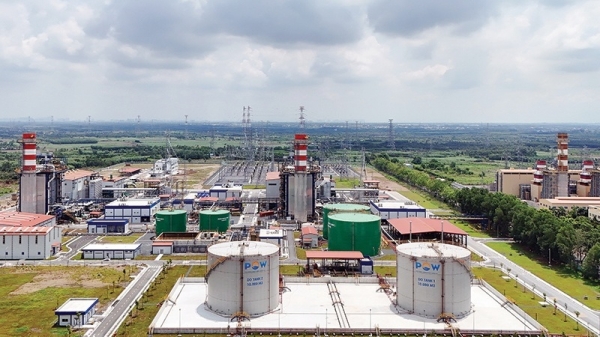
Unlocking LNG Power Development: Overcoming Challenges for Sustainable Growth
Removing LNG Power Bottlenecks to Strengthen the Foundation for Growth
In the context of increasing electricity demand and energy transition, LNG (Liquefied Natural Gas) electrification is emerging as a key solution for Vietnam's energy security. However, experts have issued strong warnings: if barriers to base-load power sources, particularly LNG power, are not promptly removed, the risk of electricity shortages in the coming years is very real.
Background of LNG Power in Vietnam
Vietnam is entering a phase of rapid economic development, accompanied by rising energy demand. LNG power is considered a crucial energy source in Vietnam's power sector development strategy for the 2021-2030 period, with a vision extending to 2045. With characteristics of being a clean, high-efficiency energy source that can be flexibly adjusted, LNG power serves as a stable base-load power source, complementing intermittent renewable energy sources.
According to Power Plan VIII, the total capacity of LNG power plants is expected to reach approximately 11,400 MW by 2030, accounting for about 11% of the national power system's total capacity. This figure is expected to increase to approximately 26,300 MW by 2045, equivalent to 19% of the total capacity.
Current Barriers
Despite its significant potential, LNG power in Vietnam still faces numerous challenges and barriers:
- Incomplete Infrastructure: The LNG receiving terminal and gas pipeline system have not been invested in a coordinated manner, leading to high operating costs.
- Unclear Policies: The legal framework for LNG power development is incomplete, particularly regarding electricity pricing mechanisms and risk-sharing mechanisms.
- Global LNG Supply Volatility: Fluctuations in global LNG prices affect the feasibility of LNG power projects.
- Complex Administrative Procedures: The project approval process is lengthy, creating difficulties for investors.
- Competition with Other Energy Sources: Especially with coal power and renewable energy.
Risk of Future Electricity Shortages
According to expert warnings, if the above barriers are not promptly resolved, Vietnam faces a serious risk of electricity shortages in the coming years. Below is a forecast of Vietnam's electricity demand and supply for the 2025-2030 period:
| Year | Demand (TWh) | Supply (TWh) | Deficit/Surplus (TWh) |
|---|---|---|---|
| 2025 | 290 | 285 | -5 |
| 2026 | 310 | 300 | -10 |
| 2027 | 330 | 315 | -15 |
| 2028 | 355 | 335 | -20 |
| 2029 | 380 | 355 | -25 |
| 2030 | 405 | 375 | -30 |
Source: General Statistics Office and Ministry of Industry and Trade
Proposed Solutions
To address the barriers and ensure energy security, experts have proposed comprehensive solutions:
- Improve the Legal Framework: Establish reasonable electricity pricing mechanisms for LNG power and risk-sharing mechanisms between the state and investors.
- Prioritize Infrastructure Investment: Accelerate investment in LNG terminals and gas pipeline systems, especially key projects like the Soc Trang LNG Terminal.
- Diversify LNG Supply Sources: Sign long-term contracts with various suppliers to reduce price and supply risks.
- Administrative Procedure Reform: Shorten project approval time and create favorable conditions for investors.
- Develop the Gas Market: Expand gas consumption markets for industrial and residential sectors to improve the economics of LNG projects.
The Importance of LNG Power for Economic Growth
LNG power is not just a solution for energy security but also plays a crucial role in Vietnam's sustainable economic development strategy:
- System Stability: Serves as a stable base-load power source, complementing intermittent renewable energy.
- Emission Reduction: Compared to coal, LNG helps reduce CO2 emissions by approximately 40%, and reduces particulate matter and other pollutants.
- Increased Flexibility: Gas power plants have short start-up times and can quickly adjust output to meet fluctuating demand.
- Industrial Support: Provides stable energy for industrial zones, promoting heavy industry development.
Conclusion
Unlocking the bottlenecks for LNG power is not only an urgent requirement for energy security but also a key factor to strengthen the foundation for Vietnam's sustainable economic growth. Strong commitment from the government, ministries, and enterprises is needed to address current barriers, create favorable conditions for LNG power to realize its potential, and contribute to the development of the power sector and the economy as a whole.
Only then can Vietnam ensure sufficient electricity for socio-economic development while fulfilling commitments on emission reduction and transitioning to clean energy as set forth in its targets.