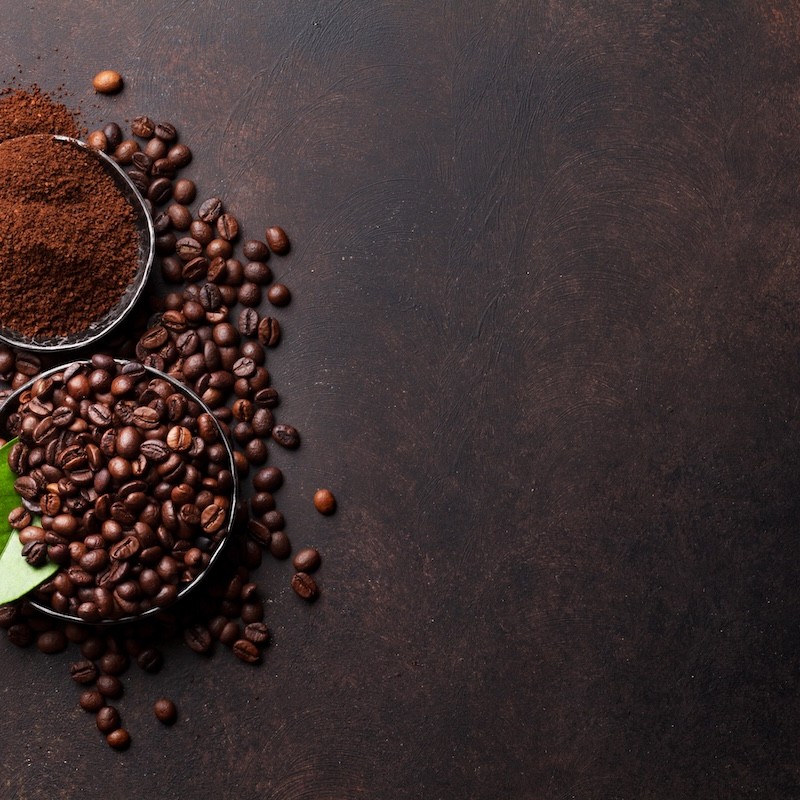
Breakthrough in Biochar Production: Faster, Cheaper Method Transforms Waste into Energy
A team of researchers at the Korea Institute of Geoscience and Mineral Resources (KIGAM) has announced a revolutionary method for producing biochar that is both faster and more cost-effective. This discovery addresses a significant challenge in conventional biochar production and has the potential to establish a recycling pathway that could divert millions of tons of waste from landfills annually, converting them into an energy source amid increasingly urgent new energy demands.
What is Biochar?
Biochar is a type of charcoal produced by heating organic waste materials in an oxygen-limited environment. This material offers multiple benefits, including:
- Functioning as a carbon sink, capable of storing carbon dioxide for centuries or even millennia without decomposing into the soil.
- Being burnable like coal to generate energy.
However, one issue with the second option is that the process of creating biochar itself is energy-intensive, reducing its feasibility as an energy source.
The KIGAM Breakthrough
The KIGAM team discovered a method to create biochar from wet coffee waste without needing to dry the material beforehand, thereby eliminating a time-consuming and energy-intensive step in conventional biochar production. In practice, this process transforms moisture from a liability into an asset.
As explained in an article from Interesting Engineering, "When water trapped within coffee particles rapidly turns to steam, pressure builds up and creates micro-explosions." These explosions break down the coffee biomass through "rapid vaporization" and create a more porous structure, thereby accelerating the carbonization process. Researchers describe this phenomenon as the "popcorn effect."
Benefits of the New Biochar
The popcorn effect not only eliminates a step in biochar production, saving time, energy, and costs, but also produces a form of biochar with promising higher heat value and no sulfur content, making it a cleaner alternative. The resulting biochar contains three times more carbon than conventional biochar and approximately one-third higher caloric value. Moreover, the entire process occurs very rapidly.
The research team stated: "This study demonstrates that plasma flame pyrolysis provides a pathway for converting waste into sustainable, energy-saving, and ultra-fast energy, transforming the inherent moisture of biomass from a thermal burden into a functional activating agent."
Opportunities from Coffee Waste
There is substantial waste coffee that could be repurposed to generate energy through this process. The world discards over 10 million tons of coffee waste annually. However, the research team believes the applications of this discovery are not limited to coffee waste. Other high-moisture organic waste products such as food waste, sludge, and agricultural waste could also be ideal candidates for this process, creating an environmentally beneficial and energy-producing waste cycle.
The Context of Rising Energy Demand
This discovery comes against the backdrop of rapidly increasing energy demand, particularly driven by the artificial intelligence boom. A June report from Business Insider noted: "If all data centers permitted through 2025 come online, they will consume between 224.3 terawatt-hours and 358.8 terawatt-hours of electricity annually, a 50% increase from the previous year." That's equivalent to the amount of energy used by an entire country like Mexico in one year.
To cope with this increasing demand, a diversified approach to energy production is necessary, and advanced, innovative methods for clean energy production alongside efforts to mitigate climate change are critically important. This breakthrough in biochar production is not a "silver bullet," but it could provide an essential component of a more diverse and sustainable energy landscape.
| Parameter | Standard Biochar | New Biochar from Coffee Waste |
|---|---|---|
| Carbon Content | 1x | 3x |
| Caloric Value | 100% | 133% |
| Production Time | Slow | Rapid |
| Sulfur Content | Present | Absent |
This article was written by Haley Zaremba for Oilprice.com.