Malaysia's Breakthrough in Oil and Gas Cooperation with Russia and Turkmenistan
In the context of global energy market fluctuations, Malaysia has achieved significant progress in the oil and gas sector through strategic partnerships with Russia and Turkmenistan. High-level discussions between leaders of these nations have opened new opportunities for ensuring stable and long-term energy supplies as geopolitical tensions and supply chain disruptions continue to impact global energy markets.
Cooperation with Russia: Securing Long-term Oil and Gas Supplies
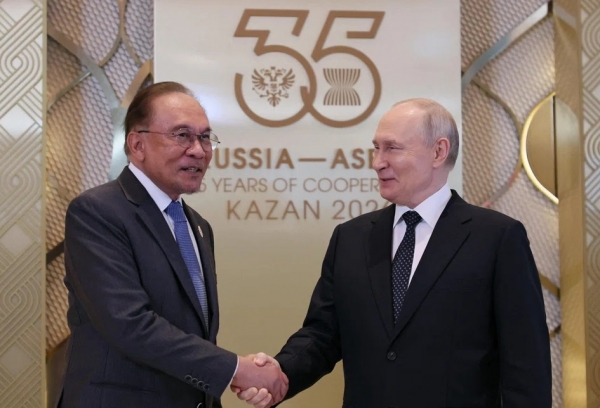
According to official information, Malaysia has received guarantees for long-term supplies of petroleum and diesel from Russia following discussions between Prime Minister Datuk Seri Anwar Ibrahim and Russian President Vladimir Putin. This event marks a significant turning point in bilateral relations between the two countries, particularly in the energy sector.
Prime Minister Anwar Ibrahim stated: "We have had very successful discussions with President Putin regarding the assurance of long-term oil and gas supplies for Malaysia. This is extremely important for Malaysia's energy security and economic development, especially as we navigate through these uncertain times in global energy markets."
This cooperation not only benefits supply security but also opens opportunities for Malaysian oil and gas companies to participate in development projects in Russia, while simultaneously creating conditions for Russian companies to invest in Malaysia's oil and gas industry. The agreement encompasses both upstream and downstream activities, creating a comprehensive framework for energy cooperation.
Prospects for Cooperation with Turkmenistan
In addition to cooperation with Russia, Malaysia is also strengthening relations with Turkmenistan—a resource-rich Central Asian country. Turkmenistan possesses the world's fourth-largest natural gas reserves, creating broad cooperation opportunities for Malaysia in the rapidly growing Asian energy market.
During an official visit to Ashgabat recently, Malaysian leaders discussed the potential for cooperation in the exploration, processing, and distribution of natural gas. Turkmenistan expressed interest in collaborating with experienced Malaysian companies in advanced oil and gas technology, particularly in areas such as enhanced oil recovery, digital oilfields, and sustainable extraction practices.
Notably, both parties agreed to establish a joint venture to develop gas projects in Turkmenistan, with Malaysia providing technology and expertise, while Turkmenistan contributes resources and market access. The agreement also includes provisions for knowledge transfer and capacity building to develop local expertise in Turkmenistan's energy sector.
Economic and Strategic Impact
Cooperation with Russia and Turkmenistan brings significant economic and strategic benefits to Malaysia:
- Ensuring stable and long-term oil and gas supplies to support industrial growth and energy security
- Diversifying energy sources, reducing dependence on traditional suppliers and mitigating geopolitical risks
- Creating opportunities for Malaysian companies to participate in large-scale international projects and gain valuable experience
- Attracting foreign investment into Malaysia's oil and gas industry, particularly in technology transfer and innovation
- Enhancing Malaysia's position on the global energy map and establishing it as a key player in Asian energy markets
According to industry analysts, Malaysia's establishment of strategic partnerships with energy powers like Russia and Turkmenistan will help this Southeast Asian nation enhance its competitiveness in the oil and gas industry, while contributing to regional energy security. These partnerships align with Malaysia's National Energy Policy, which emphasizes energy security, economic efficiency, and environmental sustainability.
Challenges and Future Prospects
Despite the promising outlook, these collaborations face several challenges:
- Political pressure from Western countries due to relations with Russia, potentially affecting financing and technology transfer
- Differences in regulations, technical standards, and business practices between countries
- Risks of global energy price fluctuations and market volatility affecting project economics
- Significant investment requirements for technology and infrastructure development
- Environmental considerations and the global transition to cleaner energy sources
However, Malaysian leaders have expressed optimism about the future of these partnerships. "We are well aware of the challenges, but the long-term benefits these cooperative relations bring are extremely valuable," Prime Minister Anwar Ibrahim shared. "These partnerships are not just about securing energy today but building a resilient energy foundation for Malaysia's future economic growth."
Future prospects indicate that Malaysia could become a regional energy hub, connecting supplies from Central Asia and Russia with the Asia-Pacific market. This would not only bring economic benefits but also contribute to global energy security stability. The development of liquefied natural gas (LNG) infrastructure and digital energy platforms could further enhance Malaysia's role in the regional energy landscape.
Conclusion
Strategic cooperation between Malaysia with Russia and Turkmenistan in the oil and gas sector marks a significant step forward in this Southeast Asian nation's energy policy. By diversifying partnerships and securing long-term supplies, Malaysia is strengthening its position on the global energy map, while contributing to regional and global energy security.
In a world facing numerous energy challenges, these partnerships not only bring economic benefits but also contribute to the stability and sustainable development of the global oil and gas industry. As Malaysia continues to develop its energy infrastructure and technological capabilities, these strategic alliances will play an increasingly important role in the nation's economic future and energy security.
Detailed Information on Cooperation
| Partner Country | Cooperation Area | Duration | Estimated Value |
|---|---|---|---|
| Russia | Supply of petroleum products and diesel | Long-term | Details not disclosed |
| Turkmenistan | Natural gas, exploration and processing technology | 10-20 years | Billions of USD |