Ensuring Safe Power Supply as Northern Vietnam Sets New Consumption Record
Extended heatwave conditions in late June pushed electricity demand in northern Vietnam to unprecedented levels. However, thanks to proactive operational planning and coordinated mobilization of various power sources, the national power system remained stable, fully meeting both production and residential consumption needs.
Heatwave Conditions and Surge in Electricity Demand
According to the National Load Dispatch Center (NLDC), the prolonged heatwave from June 25-30, 2023, caused temperatures in northern Vietnam to consistently exceed 35-37°C, with some areas reaching above 39°C. This led to a sudden spike in electricity consumption, particularly in air conditioning usage.
Mr. Dang Phuc Anh - Director of the National Load Dispatch Center stated: "On June 28, the system load reached a new record high of 84,400 MW, an increase of over 4,000 MW compared to the highest level in 2022. In northern Vietnam alone, the load reached 32,500 MW, surpassing the previous record of 31,800 MW."
Proactive Operational Planning
In anticipation of abnormal weather conditions, Vietnam Electricity (EVN) proactively developed operational plans with flexible response measures. Power plants in the region were required to be prepared to increase capacity, while equipment was inspected and maintained to ensure safe and stable operation.
Specifically, EVN implemented:
- Proactively adjusted the production schedules of hydropower plants to ensure water resources for both power generation and domestic use
- Mobilized thermal power plants to operate at maximum capacity, particularly coal-fired power plants
- Prioritized power supply to key industrial production areas and densely populated residential areas
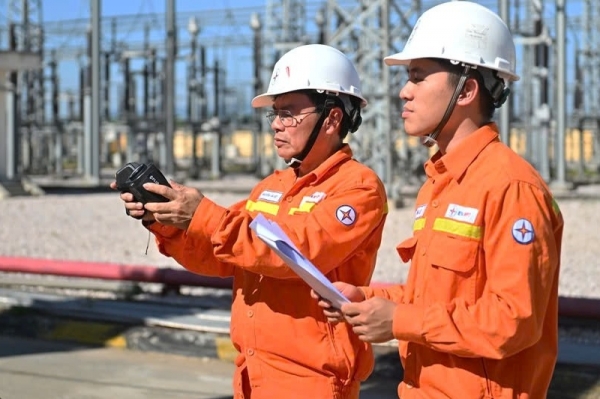
- Enhanced patrol and inspection of power lines and substations to promptly detect and handle incidents
Coordinated Mobilization of Power Sources
To ensure stable power supply, the NLDC coordinated the mobilization of various power sources in northern Vietnam. The specific breakdown is as follows:
| Power Source | Mobilized Capacity (MW) | Contribution Percentage (%) |
|---|---|---|
| Hydropower Plants | 8,500 | 26.2 |
| Coal-fired Power Plants | 12,800 | 39.4 |
| Gas-fired Power Plants | 4,200 | 12.9 |
| Oil-fired Power Plants | 1,500 | 4.6 |
| Renewable Energy | 5,500 | 16.9 |
In addition, the NLDC collaborated with transmission units to enhance inspection and maintenance of power lines and substations, ensuring the system operates safely. Demand forecasting was also regularly conducted to adjust operational plans promptly.
Ensuring System Safety and Power Supply
Mr. Nguyen Tuong Van - Deputy General Director of EVN noted: "We have developed flexible operational scenarios to respond to abnormal situations. Particularly, we have prepared backup power sources ready for mobilization when necessary."
To ensure power system safety, EVN implemented the following measures:
- Implemented planned power cuts for non-essential electricity consumers
- Enhanced 24/7 monitoring of the power system to promptly detect and handle incidents
- Prepared incident response teams at localities to promptly respond to incidents
- Coordinated with local authorities to promote public awareness of electricity conservation and efficient use
Challenges and Future Solutions
Despite ensuring stable power supply during the recent heatwave, the power sector still faces numerous challenges. Forecasts indicate that the summer of 2023 will continue with prolonged heatwaves, and electricity demand will remain high.
To ensure stable power supply in the coming period, EVN has proposed the following solutions:
- Accelerate the progress of new power projects, particularly gas and coal-fired power projects to increase supply capacity
- Develop renewable energy sources, especially solar and wind power
- Invest in upgrading and modernizing the transmission system to reduce losses and improve operational capability
- Strengthen the application of digital technology in power system management and operation
- Enhance public awareness campaigns on electricity conservation and efficient use
Conclusion
The successful maintenance of stable power supply during the recent heatwave demonstrates the proactivity, flexibility, and effectiveness of EVN's power system management and operations. However, to ensure national energy security in the long term, substantial and systematic investment in power source development and transmission systems is necessary, alongside strengthening energy transition and promoting energy conservation and efficiency.
Citizens are encouraged to continue using electricity efficiently, especially during peak hours (10:30-11:30 and 16:30-20:30), to contribute to the safety of the national power system.