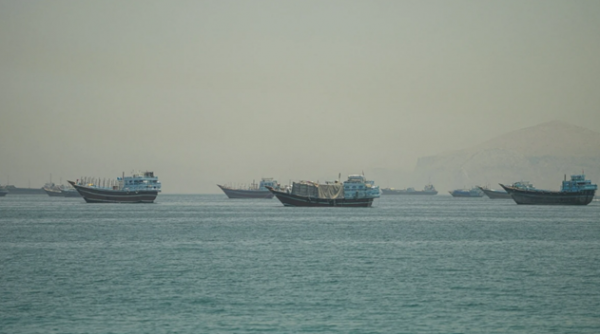
Strategic Tensions in the Middle East: Iran Issues Maritime Safety Warning for Strait of Hormuz
In the escalating geopolitical landscape of the Middle East, Iran has issued a stern warning regarding maritime safety in the Strait of Hormuz, one of the world's most critical maritime chokepoints. This announcement, made on June 27, represents a significant development in Iran's maritime security strategy and comes amid growing regional tensions that have drawn international attention.
The Strategic Importance of the Strait of Hormuz
The Strait of Hormuz serves as a vital artery for global energy transportation, with approximately 20% of the world's crude oil passing through its narrow waters daily. This strategic waterway connects the Persian Gulf with the Gulf of Oman and the Arabian Sea, making it indispensable to global energy markets and economic stability. The security of this corridor directly impacts energy prices, supply chains, and international trade relationships.
| Parameter | Detail |
|---|---|
| Geographical Location | Connects Persian Gulf with Gulf of Oman |
| Global Oil Transit | Approximately 20% of world's crude oil |
| Warning Date | June 27 |
| Key Concern | Maritime safety and security |
| Economic Impact | Significant effect on global energy markets |
Details of Iran's Maritime Warning
Iran has emphatically stated that any actions compromising maritime safety in the Strait of Hormuz will be unacceptable. The Iranian government declared its commitment to taking necessary measures to protect its national interests while ensuring the safety of vessels operating in the region. This warning comes at a particularly sensitive time, as regional powers and international stakeholders closely monitor developments in this strategically vital waterway.
The Iranian authorities have emphasized their responsibility for maintaining security in their territorial waters while simultaneously expressing concerns about external military presence in the region. This dual approach reflects Iran's balancing act between asserting sovereignty and managing complex international relationships.
Specific Concerns Raised by Iran
- Military Presence of Foreign Powers: Iran has criticized the deployment of Western military forces in the region, arguing that such deployments contribute to heightened tensions and potential instability in an already volatile area.
- Commercial Vessel Safety: Iran has advised commercial shipping operators to exercise caution and adhere to established safety protocols when transiting the Strait of Hormuz, implicitly acknowledging the risks present in current geopolitical conditions.
- Freedom of Navigation: While asserting its right to protect its waters, Iran has also emphasized the principle of freedom of navigation for commercial vessels, attempting to position itself as a responsible regional stakeholder.
- External Interference: The warning appears to be directed at external actors whom Iran accuses of attempting to destabilize the region through provocative military maneuvers and economic pressures.
International Community Response
The international community's response to Iran's warning has been measured but concerned. Nations with significant maritime interests and energy dependencies have expressed apprehension about the situation in the Strait of Hormuz. Key stakeholders including the United States, European Union nations, and Asian energy-importing countries have called for de-escalation and peaceful resolution of tensions.
Industry experts have noted that any disruption to maritime traffic through the Strait of Hormuz could have immediate and severe consequences for global oil markets, potentially triggering price spikes and supply chain disruptions. Energy analysts are closely monitoring the situation, with some warning that the current tensions could lead to a rerouting of vessels and increased insurance costs for shipping companies.
Broader Regional Implications
The warning occurs against a backdrop of escalating tensions between Iran and Western powers, particularly the United States. Recent incidents involving naval encounters, cyber attacks, and economic sanctions have contributed to a deteriorating security environment in the region. The Strait of Hormuz has historically been a flashpoint for potential conflicts, with previous incidents involving vessel seizures and military confrontations.
Energy security analysts emphasize that the stability of the Strait of Hormuz is not merely a regional concern but a global imperative. Any sustained disruption to maritime traffic through this critical waterway would have far-reaching economic consequences, potentially affecting everything from gasoline prices to manufacturing costs worldwide.
Conclusion and Future Outlook
Given the strategic significance of the Strait of Hormuz, Iran's warning is likely to continue drawing international attention and diplomatic engagement. The maintenance of maritime safety represents a shared responsibility among all nations with commercial interests in the region, necessitating dialogue and cooperation to prevent escalation.
Industry observers suggest that the coming weeks will be critical in determining whether this warning represents a temporary diplomatic posture or signals a more sustained shift in Iran's maritime security posture. Energy markets remain on alert, with many stakeholders closely monitoring diplomatic channels and naval deployments in the region.
As geopolitical tensions continue to evolve in the Middle East, the situation in the Strait of Hormuz serves as a reminder of the delicate balance between national sovereignty, international security, and global economic stability. The international community faces the challenge of addressing legitimate security concerns while preventing regional conflicts that could have profound global consequences.