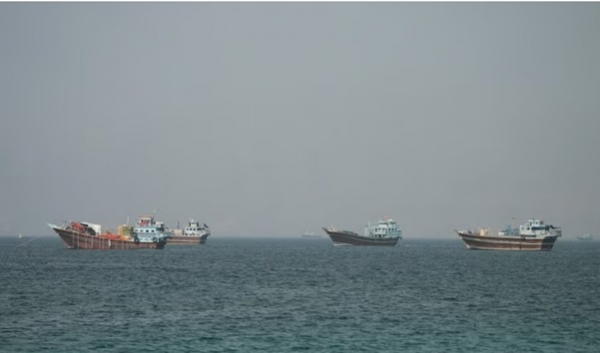
Traffic through the Strait of Hormuz slows after a ship is attacked
In the latest development, maritime traffic through the Strait of Hormuz slowed significantly just a few hours after a ship was attacked, according to ship tracking data published on June 26. This event once again emphasizes the strategic importance and vulnerability of this vital sea route to global energy security.
Strait of Hormuz: The world's lifeline
The Strait of Hormuz, a narrow strait connecting the Persian Gulf with the Arabian Sea, is considered one of the world's most important shipping routes. About 20-30% of the world's seaborne crude passes through the region, making it the backbone of the global energy market.
In recent years, the strait has become a focus of geopolitical tensions, especially after the US withdrew from the Iran nuclear deal in 2018 and re-imposed economic sanctions.
Ship attack event and immediate aftermath
Just hours after a ship was shot by Iran, ship tracking data showed that the number of ships passing through the Strait of Hormuz had decreased significantly compared to earlier in the week. This decrease reflects the level of concern of shipping companies and ship owners about security on this route.
| Ship traffic through the Strait of Hormuz | |
|---|---|
| Before the ship was attacked | After the ship was attacked |
| Average 45-50 ships/day | 15-20% off compared to normal |
| Steady growth during the week | Sudden decline within a few hours |
Impact on the energy market
Disruption of traffic through the Strait of Hormuz could have a significant impact on global oil prices. Crude oil rose slightly after news of the attack, reflecting concerns about potential supply. Analysts say any prolonged disruption could push oil prices significantly higher.
Tense context in the region
The Strait of Hormuz has seen several incidents in recent months, including the seizure of ships and confrontations between the Iranian and US navies. Iran has repeatedly threatened to close the strait if attacked, emphasizing the strategic importance of this area to national security.
- May 2023: Iran announced it had detained a foreign tanker on suspicion of oil smuggling
- April 2023: The US and Iran have tense confrontations in the Strait of Hormuz
- July 2022: A container ship was attacked near the Strait of Hormuz
Reaction from the international community
The international community has expressed concern about the escalating tension in the Strait of Hormuz. Major nations, including the US, UK and European countries, called for maintaining freedom of navigation and resolving tensions through dialogue.
Meanwhile, Iran affirms its right to self-defense against "threats" from the US and its allies, and emphasizes that protecting security on sea routes is a top priority.
Global economic impact
Any prolonged disruption in the Strait of Hormuz would have a profound impact on the global economy. About 17 million barrels of crude oil are transported through the strait every day, supplying Asian and European markets.
| Potential economic impact | |
|---|---|
| Short term | Long term |
| Increase in global crude oil prices | Change the energy supply structure |
| Increased shipping costs | Invest in alternative routes |
| Increased financial market instability | Repositioning energy centers |
Forecasting future prospects
Analysts predict that tensions in the Strait of Hormuz may continue to escalate in the coming months, especially when Iran nuclear negotiations remain deadlocked. This could lead to enhanced security measures from both Iran and Western nations.
Many shipping companies have begun to consider alternative routes, such as going through the Suez Canal or around the Cape of Good Hope, although these routes are more expensive and take longer.
Conclude
The slowdown in traffic through the Strait of Hormuz after a ship was attacked once again highlights the fragility of global energy security. In the context of increasing geopolitical tensions, maintaining stability and freedom of navigation in this region is more important than ever.
Relevant countries need to seek diplomatic solutions to de-escalate tensions, ensuring that this vital road continues to operate safely and stably for the common good of the international community.
#Straits of Hormuz #Energy Security #International Maritime Traffic #Geopolitical Tensions #OilMarkets