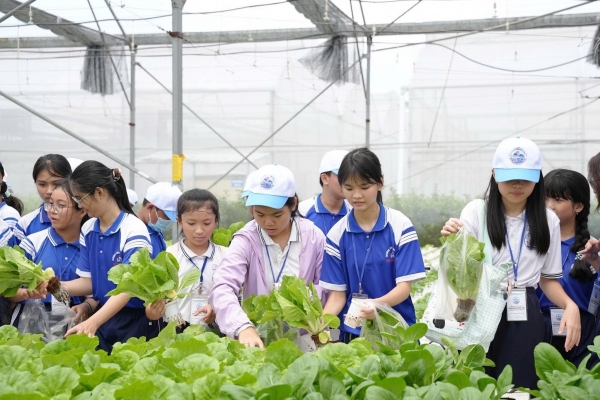
Ho Chi Minh City Students Discover Traditional Crafts and High-Tech Agriculture
On June 27, 2026, the Rural Development Department under the Ho Chi Minh City Department of Agriculture and Environment organized the second phase of its "Rural Career Experience Program." The event took place in two communes, Nhuận Đức and Thái Mỹ, attracting 100 students from Hà Huy Tập, Nhuận Đức, and An Nhơn Tây secondary schools.
This innovative initiative represents a significant effort by local authorities to bridge the gap between urban education and agricultural career opportunities, particularly in the context of technological transformation in Vietnam's agricultural sector.
Program Objectives
The program was designed with several key objectives in mind:
- Introduce students to traditional professions and various fields related to agriculture
- Provide opportunities for students to gain practical experience and understand new technologies in agriculture
- Foster interest among younger generations in agricultural careers and related industries
- Highlight the economic potential of modern agriculture in urban development
- Develop soft skills and career orientation for students
Program Activities and Experiences
During the program, students participated in a diverse range of engaging activities designed to provide comprehensive exposure to both traditional and modern agricultural practices:
- Tours of high-tech agricultural production facilities, showcasing advanced farming technologies and methodologies
- Educational sessions on clean and safe agricultural production processes, emphasizing food safety standards
- Hands-on activities including planting, crop care, and harvesting agricultural products
- Interactions with local farmers and agricultural experts to gain practical insights
- Workshops on agricultural innovation and technology applications in modern farming
These activities were carefully structured to provide students with a holistic understanding of the agricultural sector, from traditional practices to cutting-edge technologies that are transforming the industry.
Significance and Impact
This program holds considerable significance for multiple stakeholders:
- For students: The program offers practical insights into potential career paths while developing valuable skills and knowledge about sustainable agriculture
- For educational institutions: It provides a model for integrating experiential learning into curriculum design
- For the agricultural sector: It helps address the generational challenge of attracting young talent to farming
- For urban development: It demonstrates how agriculture can coexist with and contribute to urban economies
The initiative aligns with Vietnam's broader agricultural modernization strategy and the development of smart cities, where urban agriculture plays an increasingly important role in food security and sustainable development.
Program Summary
| Detail | Information |
|---|---|
| Date | June 27, 2026 |
| Location | Nhuận Đức and Thái Mỹ Communes, Ho Chi Minh City |
| Number of Participants | 100 students |
| Participating Schools | Hà Huy Tập, Nhuận Đức, and An Nhơn Tây secondary schools |
| Organizing Body | Rural Development Department, Ho Chi Minh City Department of Agriculture and Environment |
| Program Focus | Traditional professions and high-tech agriculture |
Future Outlook
The success of this program suggests potential for expansion and replication in other urban areas across Vietnam. By exposing young urban residents to agricultural opportunities, authorities can help diversify career pathways and contribute to sustainable urban development.
Future iterations of the program could incorporate more advanced technologies such as precision agriculture, vertical farming systems, and agricultural biotechnology. Partnerships with agricultural technology companies and research institutions could further enhance the educational value of such initiatives.
As Vietnam continues its rapid urbanization, programs like this play a crucial role in ensuring that agricultural innovation and traditional farming knowledge are preserved and advanced for future generations.
The Ho Chi Minh City authorities have expressed commitment to continuing and expanding this program, recognizing its importance in developing a new generation of agricultural professionals who can contribute to both urban food security and rural economic development.