From Single-Function Irrigation Canal to National Multi-Value Energy Infrastructure
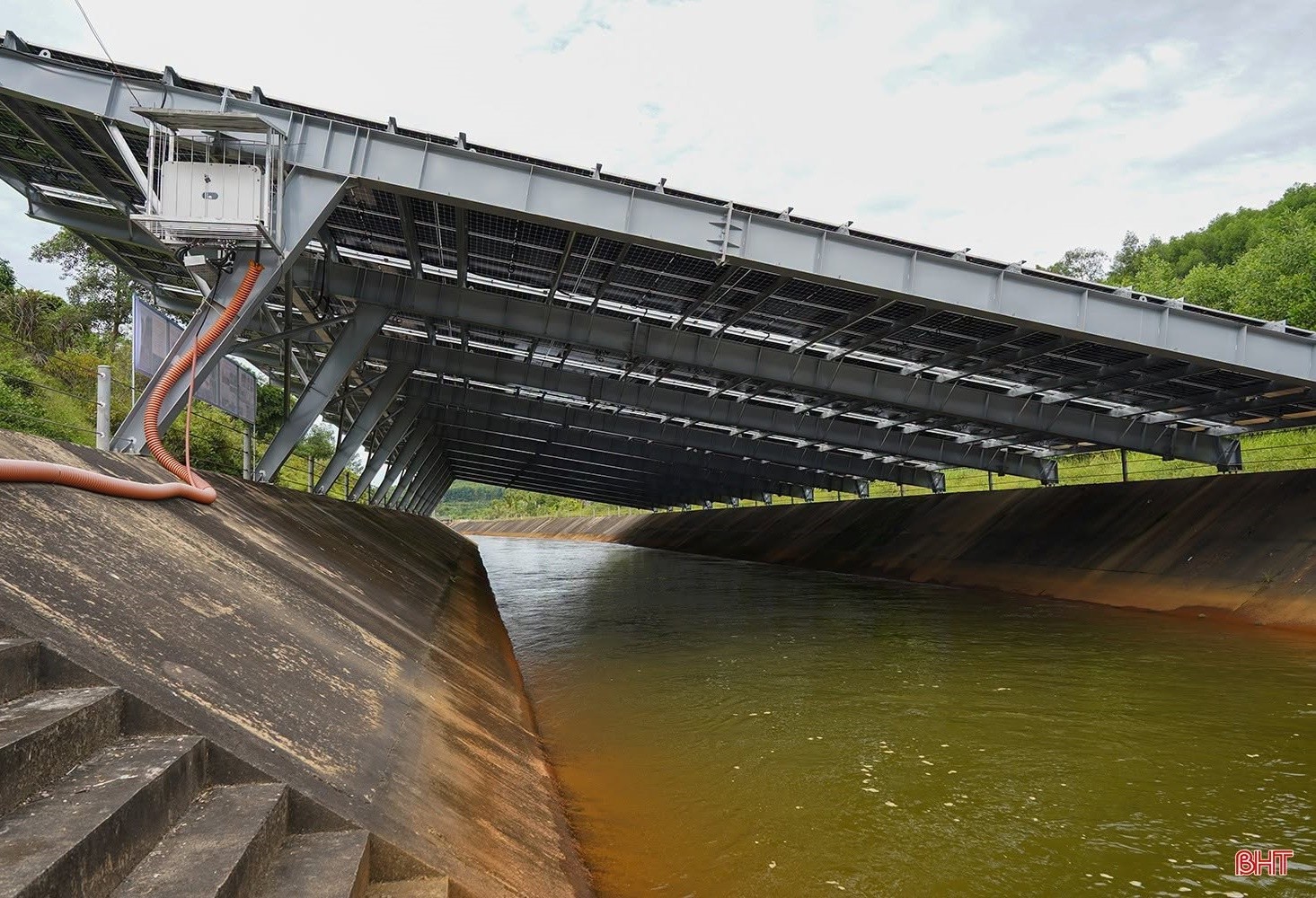
In an era where available land for energy projects is increasingly scarce, the question is no longer about how much additional solar power to develop, but rather where to develop it to create more value per unit of resource. The solar power project on the Ngàn Tròi Cẩm Trang irrigation canal in Hà Tĩnh Province offers a noteworthy solution. Not only does it generate clean electricity, but this model also unlocks the potential of utilizing existing infrastructure as a valuable energy resource.
Energy Development in a New Context
Vietnam is entering a phase of renewable energy development at an unprecedented pace. Solar power, with its vast potential and increasingly competitive costs, has become a cornerstone of the nation's energy transition strategy. However, this rapid development brings mounting challenges regarding land availability.
Instead of seeking large tracts of unused land, utilizing existing infrastructure for multi-functional energy development has emerged as a promising path, opening up more sustainable development space. This approach represents a paradigm shift in how we conceptualize energy infrastructure—moving beyond single-purpose facilities to multi-value systems that serve multiple functions simultaneously.
The Solar Power Model on Irrigation Canals in Vu Quang
In Vu Quang Commune, Hà Tĩnh Province, an innovative model has been implemented: installing solar power systems directly on the surface of the Ngàn Tròi Cẩm Trang irrigation canal. This is more than just a conventional solar power project; it represents an intelligent solution that effectively utilizes existing space.
The project demonstrates the immense potential of combining renewable energy development with hydraulic infrastructure. By installing solar panels over the canal, the project addresses the land constraint challenge while creating multiple economic and environmental benefits. This integration exemplifies the concept of "multi-value infrastructure"—where a single structure serves multiple purposes, maximizing resource efficiency.
Multi-Dimensional Benefits of the Combined Model
The solar power system on irrigation canals offers significant benefits across multiple dimensions:
- Space Optimization: Utilizes water surfaces to install solar panels without consuming agricultural or residential land.
- Water Evaporation Reduction: Solar panel coverage over the canal reduces water evaporation, improving water resource efficiency.
- Algae Growth Mitigation: The panels limit sunlight penetration into the water, reducing the rate of algae growth.
- Clean Energy Generation: Simultaneously produces clean electricity, reducing greenhouse gas emissions.
- Economic Value Enhancement: Creates additional revenue streams through leasing water surfaces for solar installations.
- Infrastructure Protection: Provides shade that reduces water temperature, improving ecological conditions in the canal.
Implementation and Effectiveness
According to data from the Vu Quang project, the canal-mounted solar power system has an installed capacity of approximately 1MW, with annual electricity generation reaching about 1.4 million kWh. Using modern technology, the solar panels are specially designed for aquatic environments, featuring corrosion resistance and the ability to withstand harsh weather conditions.
The systems are mounted on floating platforms that do not interfere with canal operation and management. Additionally, the installation creates shade that reduces water temperature, improving the ecological conditions within the canal. This dual-purpose approach maximizes the utility of the infrastructure while maintaining its primary function of water management.
Comparison with Traditional Solar Development Models
| Factor | Land-Based Solar Power | Canal-Mounted Solar Power |
|---|---|---|
| Land Use | Requires large land areas | No land required, utilizes existing water surfaces |
| Environmental Impact | May affect terrestrial ecosystems | Reduces water evaporation Limits algae growth Creates shade for aquatic life |
| Investment Costs | Requires land preparation and construction costs | Reduces foundation construction costs May have higher equipment costs |
| Multi-functionality | Single-function electricity production | Electricity production Canal protection Ecological improvement |
| Implementation Speed | Longer due to land acquisition and preparation | Faster utilizing existing infrastructure |
National Potential for Replication
Vietnam boasts a network of irrigation canals stretching tens of thousands of kilometers across rural areas. This massive infrastructure represents a huge untapped resource for renewable energy development. Estimates suggest that if only 10% of the water surface area of irrigation canals nationwide were equipped with solar panels, the total capacity could reach several gigawatts.
Beyond irrigation canals, similar models could be applied to:
- Water reservoirs
- Hydropower lake surfaces
- Urban water channels
- Dikes and embankments
- Aquaculture facilities
Challenges to Address
Despite the significant potential, scaling up the canal-mounted solar power model faces several challenges:
- Technical Issues: Requires specialized installation solutions to ensure durability and safety in aquatic environments
- Legal Framework: Needs clear regulations regarding water surface usage for energy development
- Operational Considerations: Must ensure the power system doesn't interfere with water management functions
- Initial Investment Costs: May be higher than land-based installations
- Maintenance Challenges: Access and maintenance in aquatic environments may be more complex
Policy Support and Development Direction
To promote this multi-value energy development model, the government and relevant authorities need appropriate supportive policies:
- Establish a specific legal framework for water-based solar power projects
- Provide preferential electricity purchase prices for these projects
- Support research and development of suitable technologies
- Create mechanisms for benefit-sharing among stakeholders
- Streamline approval processes for integrated infrastructure projects
Vision for 2030 and Beyond
According to Vietnam's national energy development orientation, by 2030, the country aims to achieve 20-25% renewable energy in total electricity generation. Multi-functional energy development models like canal-mounted solar power will significantly contribute to this target.
In the long term, developing multi-functional energy infrastructure not only addresses energy challenges but also contributes to sustainable development, climate change adaptation, and natural resource conservation. This approach aligns with Vietnam's commitment to achieving Net Zero emissions by 2050.
Conclusion
The solar power project on the irrigation canal in Vu Quang Commune, Hà Tĩnh Province, exemplifies innovative thinking in energy development. By recognizing existing infrastructure as potential resources, we can create more value per unit of resource.
This approach is not merely a solution to the land constraint challenge but represents a sustainable development path that harmonizes economic growth with environmental protection. Scaling up this model nationwide will significantly contribute to Vietnam's Net Zero commitment by 2050, while simultaneously addressing water resource management and energy security challenges.
The integration of energy production with other infrastructure functions represents the future of sustainable development, where every square meter serves multiple purposes, maximizing efficiency and minimizing environmental impact.