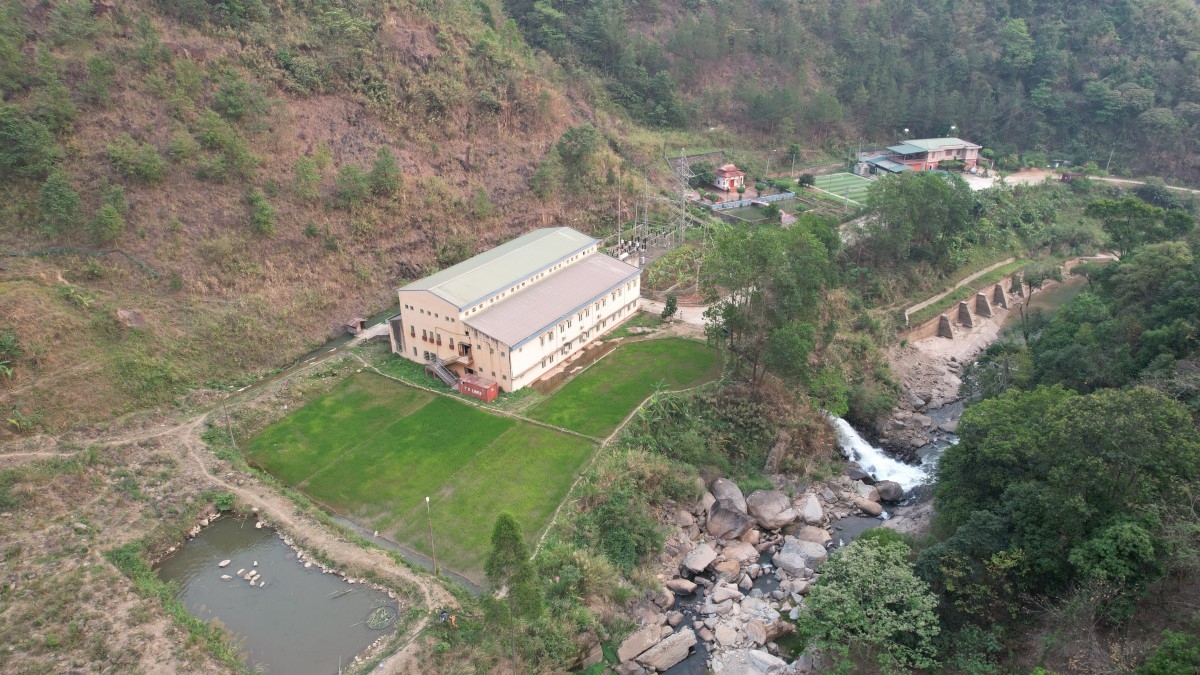
Small Hydropower Plants: Sustainable Technology Solution Ensuring Energy Security for Northern Vietnam During the 2026 Heatwave
As pressure to ensure electricity supply during increasingly intense heatwaves mounts, the collaboration of nearly 400 small hydropower plants connected to the distribution grid across 17 provinces and cities has become a crucial factor helping the Northern Power Corporation (EVNNPC) share load pressure and strengthen electricity supply capacity for the Northern region.
Background: Challenges from the 2026 Heatwave
The 2026 heatwave season is predicted to have higher intensity than previous years, with prolonged duration and record-breaking temperatures in many areas of Northern Vietnam. According to a report from the Northern Power Corporation, electricity demand during this summer's peak could increase by 12-15% compared to the same period in 2025, placing significant pressure on the national power system.
"With rising demand and dependence on large power sources such as coal-fired and large-scale hydropower plants, we need to diversify our supply sources. Small hydropower plants have and are continuing to affirm their important role in system balancing, especially during peak hours," said Mr. Nguyen Van Hung, Deputy General Director of EVNNPC.
The Crucial Role of Small Hydropower Plants
According to statistics from EVNNPC, there are currently nearly 400 small hydropower plants with a total installed capacity of approximately 2,500 MW connected to the distribution grid across 17 provinces and cities in the Northern region. These plants contribute about 8-10% of the region's total electricity output, becoming a flexible and efficient power supply source.
Outstanding Benefits
- Maximizing local water resources: Small hydropower plants utilize small streams and rivers, without competing with water sources for domestic use and agricultural production
- Quick response to demand fluctuations: The ability to start and stop machines quickly helps small hydropower plants immediately respond to peak loads
- Reducing transmission losses: Proximity to consumption areas reduces transmission distance and minimizes energy loss
- Environmental protection: Reduces CO2 emissions compared to fossil fuel-based power sources, causing no air pollution
Smart Operation Mechanisms
Small hydropower plants are integrated into the smart grid management system, allowing remote real-time control. This system enables EVNNPC to optimize the operation of small hydropower plants based on electricity demand forecasts and water conditions.
"We have applied AI technology to forecast water volume and electricity demand, thereby optimizing the operation schedule of small hydropower plants. This helps reduce water waste and increase economic efficiency," shared Mr. Tran Minh Tuan, Head of the Northern Power System Operation Department.
EVNNPC's Comprehensive Solutions
To ensure stable electricity supply during the 2026 heatwave, EVNNPC has implemented many synchronized solutions, with small hydropower plants playing a crucial role in the strategy to diversify power sources.
| Solution | Objective | Expected Results |
|---|---|---|
| Enhanced small hydropower operation | Optimize output from small hydropower plants | 15% increase in electricity output from small hydropower compared to 2025 |
| Improving smart control systems | Enhance response capability to demand fluctuations | 20% reduction in response time to load fluctuations |
| Developing distributed power sources | Reduce dependence on large power sources | 500 MW increase in capacity from distributed power sources |
| Improving electricity use efficiency | Reduce peak electricity demand | 3-5% reduction in peak hour electricity demand |
Prospects and Challenges
However, the development of small hydropower plants also faces numerous challenges. According to Mr. Le Van Binh, an energy expert: "Small hydropower plants need to address environmental impact issues in project areas, particularly regarding population resettlement and biodiversity conservation. At the same time, water resource management must be scientific to ensure sustainable development."
Despite these challenges, the development prospects for small hydropower in the Northern region remain promising. By 2030, the region is expected to have an additional 200 small hydropower plants with a total capacity of 1,200 MW, contributing significantly to national energy security.
Conclusion
The collaboration of small hydropower plants has become an important solution helping EVNNPC ensure stable electricity supply for the Northern region during the 2026 heatwave. With technological development and smart management, small hydropower plants not only help balance the power system but also contribute to Vietnam's sustainable energy development goals.
"Small hydropower is an indispensable part of Vietnam's power development strategy. We will continue to encourage the sustainable and efficient development of this type of electricity, contributing to ensuring national energy security," affirmed Mr. Nguyen Van Hung.