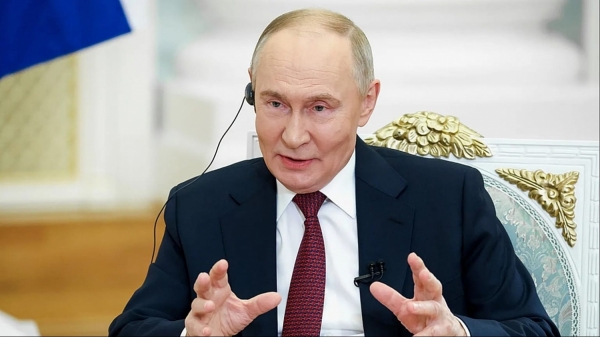
Russian President Putin Publicly Acknowledges Fuel Crisis Amid International Sanctions
In a rare admission of systemic challenges, Russian President Vladimir Putin has officially acknowledged that the nation is facing a severe fuel shortage crisis. This unprecedented acknowledgment comes amid growing concerns about energy security, supply chain disruptions, and potential economic repercussions across various sectors of the Russian economy.
The admission marks a significant departure from previous official statements that had downplayed or denied the extent of fuel supply issues affecting regions across Russia. The fuel shortage has led to distribution bottlenecks, price volatility, and localized panic buying, raising questions about the long-term sustainability of Russia's energy infrastructure in the face of international isolation.
Root Causes of the Fuel Shortage Crisis
The current fuel shortage in Russia stems from a confluence of factors exacerbated by geopolitical tensions and international sanctions. Energy analysts have identified several critical contributing elements to this crisis:
- International Sanctions Impact: Comprehensive sanctions imposed by Western nations following the conflict in Ukraine have severely restricted Russia's access to critical technologies, equipment, and financial systems necessary for maintaining and expanding fuel production infrastructure.
- Supply Chain Disruptions: The breakdown of established logistics networks has complicated the transportation and distribution of refined petroleum products from refineries to consumption centers, particularly in remote regions.
- Production Challenges: Many Russian refineries are operating below capacity due to maintenance backlogs, equipment shortages, and difficulties sourcing specialized components, leading to reduced output of gasoline, diesel, and other essential fuel products.
- Export vs. Domestic Dilemma: Despite international restrictions, Russia has redirected significant fuel exports to Asian and Middle Eastern markets at discounted prices, prioritizing hard currency earnings over domestic supply stability.
- Infrastructure Limitations: Aging pipeline networks and storage facilities have struggled to handle shifting demand patterns and supply constraints, creating regional imbalances in fuel availability.
Economic and Social Implications
The fuel shortage is reverberating through multiple dimensions of Russian society and economy, creating cascading effects that threaten to undermine economic stability and public confidence:
- Price Inflation: Fuel prices have surged by up to 40% in some regions, directly increasing transportation costs for businesses and households. This price escalation has contributed to broader inflationary pressures across the economy.
- Industrial Production Slowdown: Manufacturing, agriculture, and transportation sectors have faced significant operational challenges due to fuel shortages, with some facilities forced to reduce output or temporarily suspend operations.
- Logistics Paralysis: The trucking industry, heavily dependent on diesel fuel, has experienced widespread disruptions, affecting the movement of goods between cities and regions, further straining supply chains already under pressure.
- Agricultural Vulnerabilities: The upcoming harvest season faces potential complications as farmers report difficulties securing adequate diesel for machinery, raising concerns about food security and export capacity.
- Regional Disparities: Fuel shortages have disproportionately affected remote areas and regions with fewer strategic storage facilities, exacerbating existing economic inequalities between urban and rural populations.
Government Response and Mitigation Strategies
In response to the escalating crisis, the Russian government has implemented several measures aimed at stabilizing the fuel market and addressing immediate supply concerns:
- Infrastructure Investment: The Ministry of Energy has announced accelerated investment programs for upgrading storage facilities and expanding pipeline networks in critical regions, with particular focus on creating strategic reserves in vulnerable areas.
- Production Incentives: The government has introduced tax breaks and regulatory relief for refineries that increase production of domestically needed fuel products, while potentially restricting exports of certain fuel categories to ensure domestic supply.
- Import Alternatives: Russia has intensified efforts to secure fuel supplies from allied nations and has begun exploring import options from countries less affected by international sanctions, though logistical challenges remain significant.
- Distribution Controls: Regional authorities have implemented temporary distribution mechanisms, including priority allocation systems for essential services and emergency fuel reserves for critical infrastructure.
- Price Monitoring: The Federal Antimonopoly Service has increased monitoring of fuel pricing to prevent price gouging, though enforcement mechanisms are limited by broader economic constraints.
Expert Analysis and Future Outlook
Energy economists and geopolitical analysts have offered varying perspectives on the long-term implications of Russia's fuel shortage crisis:
"Russia's current fuel shortage represents more than a temporary supply disruption—it reflects fundamental vulnerabilities in the country's energy infrastructure and economic model," noted Dr. Elena Petrova, an energy economist at the Moscow Institute of International Relations. "Without significant technological upgrades and integration with global energy markets, Russia may face recurring supply challenges that could hamper economic growth for years."
Other experts suggest that the crisis could accelerate Russia's pivot toward alternative energy sources and greater self-sufficiency in critical technologies. "This challenge may paradoxically serve as a catalyst for innovation in energy efficiency and alternative fuel development," suggests Mikhail Dubov, a senior analyst at the Russian Energy Research Institute. "However, the transition will require substantial investment and time that Russia may not currently have."
International observers have noted that Russia's fuel shortage could have broader implications for global energy markets, potentially affecting energy security in neighboring regions and creating new opportunities for other energy suppliers to gain market share.
Comparative Analysis: Fuel Situation in Russia
| Parameter | Pre-Crisis Situation | Current Status | Projected Trend |
|---|---|---|---|
| Fuel Prices | Stable with moderate seasonal fluctuations | Increased by 20-40% across regions | Potentially volatile with possible stabilization measures |
| Supply Availability | Consistent with seasonal demand variations | Localized shortages, particularly in remote areas | Expected improvement in urban areas, continued challenges in rural regions |
| Production Capacity | |||
| Infrastructure | |||
| International Trade |
Conclusion: Navigating an Uncertain Energy Future
Russia's acknowledgment of its fuel shortage crisis represents a critical juncture in the nation's energy security narrative. The convergence of international sanctions, infrastructure limitations, and supply chain disruptions has created a complex challenge that will require comprehensive solutions addressing both immediate needs and long-term structural vulnerabilities.
The crisis underscores the delicate balance between maintaining export revenues for economic stability and ensuring adequate domestic fuel supplies. As Russia navigates this challenge, the outcomes will likely shape the country's energy policies for years to come, potentially accelerating technological innovation while simultaneously highlighting the limitations of energy isolation in an interconnected global economy.
For ordinary Russians, the fuel shortage has become a tangible reminder of the broader economic transformations underway. As the government implements emergency measures and long-term strategies, the effectiveness of these interventions will be closely watched by both domestic and international observers, with implications that extend far beyond the fuel pumps to the future trajectory of Russia's economic development and global standing.