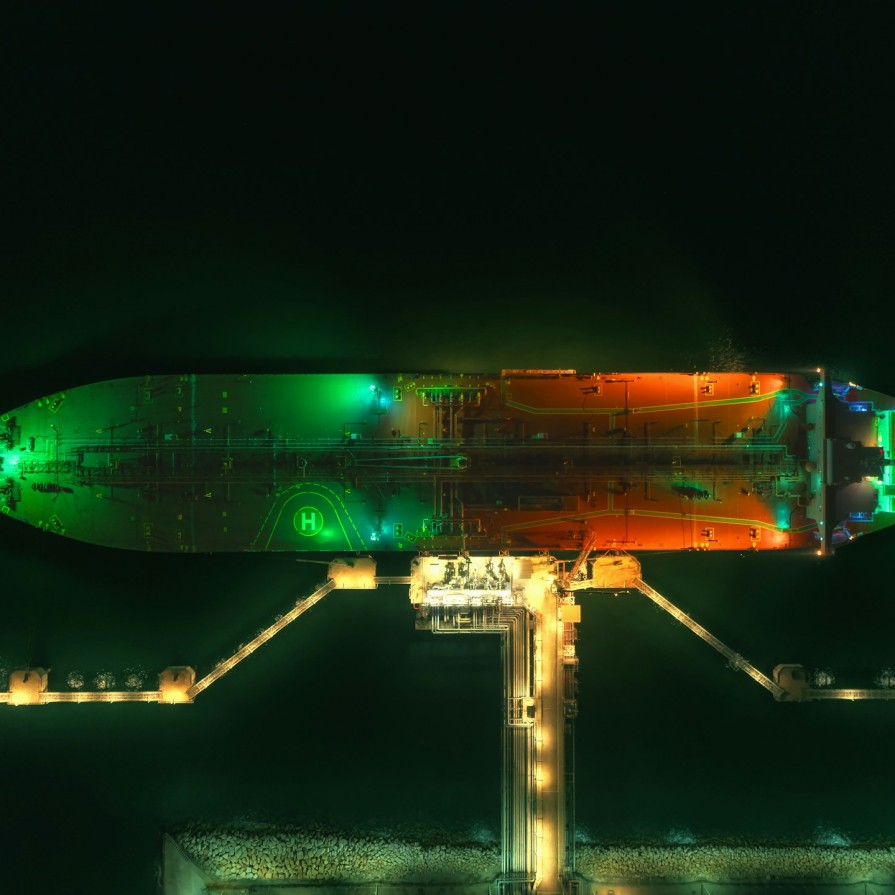
Energy Shipping in the Gulf Region: Advanced Surveillance Technology Amid Complex Geopolitical Landscape
In an era of escalating geopolitical tensions in the Persian Gulf, Middle Eastern energy producers continue to leverage advanced technology to monitor and transport oil and LNG through the Strait of Hormuz—one of the world's most strategic maritime waterways. Despite recent attacks on commercial vessels and heightened tensions between the United States and Iran, data from ship-tracking technology reveals that major producers are maintaining their operations through this critical energy corridor.
According to data from Reuters, Saudi Arabia, the United Arab Emirates (UAE), and Qatar continue to actively load oil and LNG at Gulf ports, demonstrating their commitment to maintaining energy flows despite security concerns in the region. This continued operation highlights the resilience of the energy sector and the critical role of technology in ensuring supply chain continuity.
Advanced Maritime Surveillance Technology in Complex Security Environments
Gulf energy producers are capitalizing on the period when the Strait of Hormuz remains officially open, with traffic flow having slowed since Friday following an attack on a fully loaded oil supertanker in the strategic waterway. Ship-tracking technology is providing detailed insights into these operations, revealing several key developments:
- At Saudi Arabia's Ras Tanura port, a fourth very large crude carrier (VLCC) is loading crude oil on Monday, according to data from LSEG cited by Reuters.
- Loading operations continued even after a helicopter crash (cause yet undetermined) near the port killed 14 people on Sunday local time.
- One of the four VLCCs loaded at Ras Tanura since the US-Iran memorandum of understanding was signed has left the Strait of Hormuz and is en route to Japan.
- Two other VLCCs are awaiting crude oil loading at UAE ports, while both the UAE and Qatar continue to send LNG carriers through Hormuz.
Surveillance Technology and Security Response Mechanisms
Iran has also been observed resuming oil loading operations from Kharg Island, the country's primary oil export terminal, following US exemptions from sanctions on Iranian oil sales, including dollar-denominated sales, until August 21.
Iran is increasing oil loading activities at Kharg Island, taking advantage of the 60-day sanctions waiver window until negotiations on a potential peace agreement are expected to resume.
| Country | Recent Activities | Shipping Status |
|---|---|---|
| Saudi Arabia | Oil loading at Ras Tanura | One vessel has left Hormuz, heading to Japan |
| UAE | Preparing for oil loading at ports | Awaiting loading operations |
| Qatar | LNG shipments through Hormuz | Several vessels have passed through Hormuz |
| Iran | Increased oil loading at Kharg Island | Utilizing sanctions waiver period |
Geopolitics and Maritime Security Technology
The fragile ceasefire and negotiations are once again threatened at the end of this week, following US strikes on Iranian targets in retaliation for attacks on two vessels—a container ship in the Gulf of Oman and an oil tanker in the Strait of Hormuz.
Maritime security surveillance technology is playing an increasingly important role in monitoring and responding to potential threats in the region. Advanced monitoring systems enable:
- Real-time tracking of vessels transiting the Strait of Hormuz
- Early warning systems for unusual activities
- Data analysis to forecast potential risks
- Support for security coordination between nations
On Sunday night, a US official confirmed that parties had agreed to a ceasefire before a new round of negotiations expected this week, indicating that diplomatic communication technology continues to play a crucial role in maintaining regional stability.
Impact on Global Energy Supply Chains
The Strait of Hormuz is the world's most important energy transit route, where approximately 20-30% of globally traded oil is transported by sea. Disruptions in this region could have profound implications for global energy markets.
Energy market forecasting and analysis technologies are helping analysts and policymakers track and respond to price fluctuations and supply changes driven by geopolitical tensions.
The combination of ship-tracking technology, maritime security systems, and data analytics is playing an increasingly vital role in ensuring energy security and market stability amidst the complex geopolitical landscape of the Persian Gulf region.
Conclusion
Despite escalating tensions, Middle Eastern energy producers are utilizing advanced technology to maintain energy shipping operations through the Strait of Hormuz. Ship-tracking technology, maritime security monitoring, and data analytics are playing crucial roles in ensuring energy security and market stability in this complex geopolitical environment.
Upcoming negotiations will present a significant opportunity to reduce tensions and ensure security for this critical energy shipping corridor. Diplomatic communication technology will continue to be essential in maintaining peace and stability in the region.
By Charles Kennedy for Oilprice.com
#MaritimeSurveillanceTechnology #EnergySecurity #StraitOfHormuz #GulfEnergy #Geopolitics #MaritimeSecurityTechnology