Philippines Leads Global Race in Solar Energy Adoption
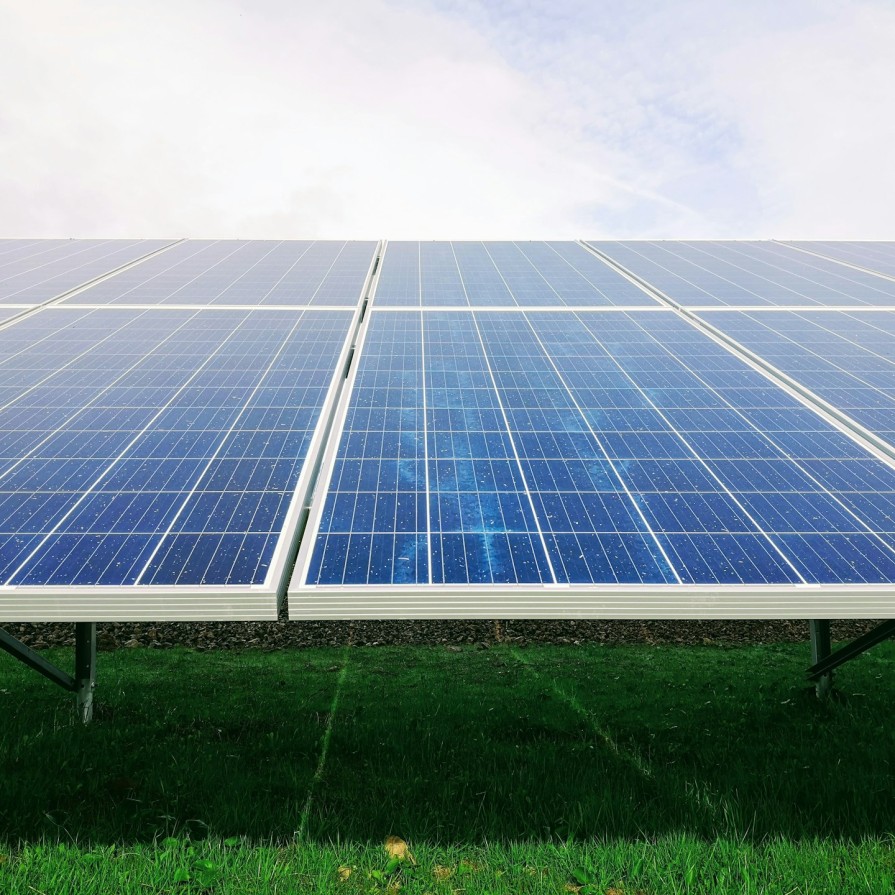
In the context of skyrocketing electricity prices and fossil fuel shortages, the Philippines has emerged as the world's top spender on solar panels since the onset of the Iran conflict. According to customs data cited by Reuters, this Southeast Asian nation has invested over $407 million in solar panels alone within a three-month period, from March 1 to May 31 of this year.
Background of the Energy Crisis
The Philippines, one of the Asian economies most severely affected by the Middle East-induced energy supply crisis, is witnessing a strong shift toward renewable energy. Rising electricity costs and fossil fuel shortages have compelled many Filipino households and businesses to turn to solar energy as a viable alternative solution.
This boom occurs against the backdrop of unprecedented energy challenges in the region, as traditional energy supply routes face disruption due to geopolitical tensions.
The Solar Energy Boom in the Philippines
Data from Chinese customs shows that the Philippines has imported large quantities of solar panels from China, the world's leading producer of solar panels. In March and April of this year alone, China exported over 3,000 MW of solar panels to the Philippines, according to analysis by Ember.
According to another Ember analysis at the end of May, rooftop solar energy in the Philippines has nearly doubled within the past 12 months. This trend has positioned the Philippines to become China's second-largest solar panel export market by 2026, second only to the Netherlands - a major transit hub for solar equipment.
Summary of Solar Energy Trends in the Philippines
| Indicator | Period | Figure |
|---|---|---|
| Solar panel expenditure | March 1 - May 31, 2023 | $407 million |
| Solar panel exports from China | March & April 2023 | 3,000+ MW |
| Rooftop solar growth | Past 12 months | Nearly 100% |
| China export market position | 2026 (projected) | 2nd |
Challenges for the Solar Energy Sector in the Philippines
Despite the impressive growth, the Philippine solar energy sector faces numerous challenges. Among the main barriers are the high initial costs for Filipino households and supply chain issues. Installing solar energy systems requires significant upfront investment, which can be a barrier for many low-income households.
Additionally, global supply chain problems continue to impact the deployment of solar energy projects, causing delays in the delivery of necessary equipment and materials.
Pakistan: Second Only to the Philippines
Pakistan, ranking second only to the Philippines in the solar energy race, is also facing LNG shortages from the Middle East. Recently, Pakistan successfully negotiated with Iran to allow some LNG carriers from Qatar to depart from the Persian Gulf.
However, Pakistan's energy crisis has also spurred a wave of solar installations. The solar energy boom in Pakistan showed clear signs even before the Middle East crisis erupted.
According to a report from clean energy think tank Ember last week, distributed energy has driven Pakistan's national electricity demand up by 21% over two years. Ember stated that a total of 27 GW of distributed solar energy has been deployed within two years, equivalent to the total capacity of all coal, gas, and oil power plants operating in Pakistan to date.
Comparison of Solar Energy Situations in the Philippines and Pakistan
| Factor | Philippines | Pakistan |
|---|---|---|
| Global ranking | World leader | Second |
| Recent expenditure | $407 million (3 months) | Details not disclosed |
| Electricity demand growth | Nearly doubled rooftop solar (12 months) | 21% increase in electricity demand (2 years) |
| Installed capacity | 3,000+ MW (from China, 2 months) | 27 GW (distributed solar, 2 years) |
| Main driver | Rising electricity prices, fuel shortages | LNG disruptions from Middle East |
Renewable Energy Trends in the Region
The solar energy boom in the Philippines and Pakistan reflects a broader trend in the Asia-Pacific region, where countries are seeking to diversify energy sources and reduce dependence on imported fossil fuels.
The Middle East energy crisis has acted as a catalyst for this transition, prompting governments and consumers to turn to renewable energy solutions such as solar, wind, and biomass.
Solar energy, with its increasingly lower costs and flexible deployment options—particularly in distributed models like rooftop installations—is becoming the top choice for many countries in the region.
Conclusion and Outlook
The solar energy boom in the Philippines and Pakistan is not merely a short-term response to the energy crisis but represents a strategic shift toward a sustainable energy future. Although challenges regarding costs and infrastructure remain, this trend is expected to continue as technology advances and costs continue to decline.
For the Philippines and Pakistan, strengthening solar energy not only helps address immediate energy concerns but also contributes to long-term sustainable development goals and climate change mitigation.
The solar energy race in Asia is in its early stages, but with current growth rates, the region is poised to become the center of the global renewable energy revolution in the coming years.
#SolarEnergy #Philippines #Pakistan #EnergyCrisis #EnergyTransition #RenewableEnergy