US Accounts for Over One-Third of Global Carbon Emission Increase in 2025
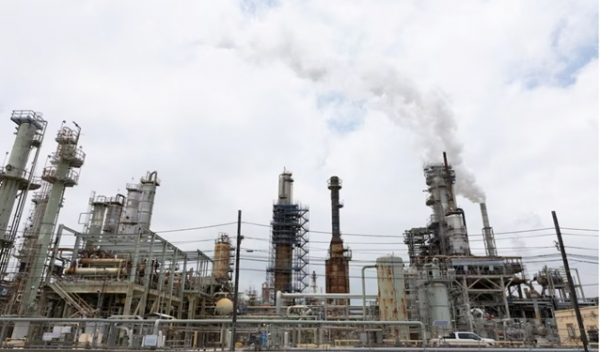
According to the latest report from the Energy Institute, the United States has contributed approximately one-third of the global increase in carbon emissions during 2025. This significant rise is primarily attributed to soaring natural gas prices, which have compelled many electricity producers to revert to using coal—a dirtier energy source.
Context of the Carbon Emission Crisis
Amid global efforts to reduce carbon emissions to combat climate change, the Energy Institute's report presents a concerning statistic. The United States, one of the world's largest carbon emitters, has made a substantial contribution to the global increase in carbon emissions in 2025.
The Energy Institute—an independent energy research organization—has been monitoring and analyzing global carbon emission trends, with particular focus on the economic factors influencing fuel choices in the electricity sector.
Factors Behind Rising US Emissions
The primary driver of this situation has been the dramatic increase in natural gas prices in the United States. As natural gas prices surged, power plants shifted back to using coal—a cheaper alternative that emits significantly more carbon.
This shift has created a concerning vicious cycle: increased coal usage leads to higher carbon emissions, contributing to climate change, which in turn can cause extreme weather events that disrupt energy supplies and continue to drive energy prices upward.
Natural Gas Price Volatility and Impact on the Power Sector
Natural gas prices in the United States have risen by over 70% in 2025 compared to the 2024 average. This price surge stems from multiple factors:
- Increased demand following the post-pandemic economic recovery
- Disruptions in the energy supply chain
- Declining domestic natural gas production
- Intense international competition for energy resources
In response to elevated natural gas prices, many utility companies have adjusted their energy mix, with coal becoming the more economical short-term option.
Comparing US Carbon Emissions with Other Nations
The following table compares carbon emissions levels in the United States with other countries in 2025:
| Country | Total Carbon Emissions (million tons) | Percentage Increase from 2024 | Contribution to Global Increase |
|---|---|---|---|
| United States | 5.2 | 3.8% | 33% |
| China | 10.8 | 2.1% | 25% |
| India | 2.6 | 4.2% | 18% |
| Russia | 1.7 | 1.5% | 8% |
| Europe | 3.1 | -0.8% | -5% |
The table above reveals that while the United States is not the highest-emitting country, it has made the largest contribution to the global increase in carbon emissions in 2025. This trend runs counter to the emission reduction goals of many other nations.
Environmental and Economic Impacts
The rise in carbon emissions in the United States has not only negative global environmental consequences but also affects the domestic economy:
- Accelerated climate change, resulting in economic damages from natural disasters
- Public health impacts due to air pollution
- Pressure on the country's emission reduction commitments under the Paris Agreement
- Damage to the United States' international reputation on environmental matters
Government and Industry Responses
In response to this situation, the US government is considering measures to encourage cleaner energy use, including:
- Tax incentives for renewable energy projects
- Increased investment in carbon capture and storage technologies
- New regulations on emission limits for power plants
However, these measures may take time to become effective, while high natural gas prices are likely to persist in the short term.
Conclusion
The Energy Institute's report has highlighted a worrying reality: the United States is moving counter to the global trend of carbon emission reduction. The return to coal usage due to high natural gas prices not only increases carbon emissions but also creates significant challenges for long-term climate goals.
In the context of global efforts to reduce emissions and limit climate change, the fact that the United States—one of the world's largest economies—is contributing substantially to increased carbon emissions raises questions about the sustainability of current energy policies and the urgent need for a faster transition to cleaner energy sources.
#CarbonEmissions #CleanEnergy #ClimateChange #Coal #NaturalGas #UnitedStates #EnergyInstitute