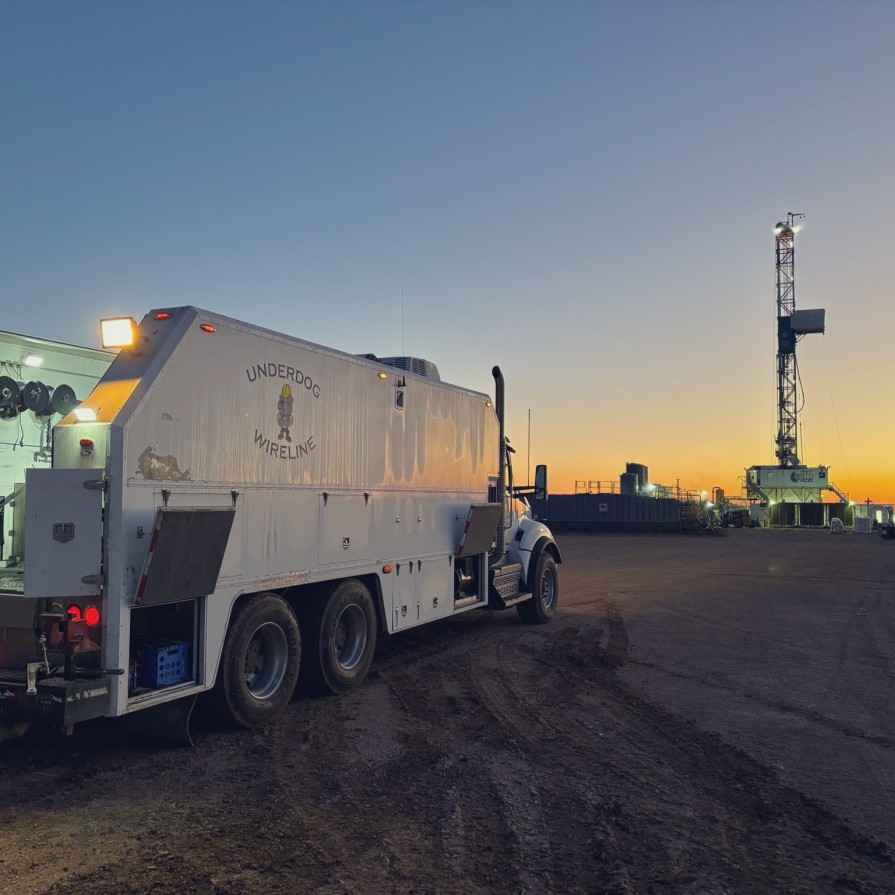
US Crude Oil Production Reaches New Record of 13.934 Million Barrels Per Day
Washington, DC - According to monthly data released on Tuesday by the U.S. Energy Information Administration (EIA), U.S. crude oil production has reached a new record of 13.934 million barrels per day in April - the highest monthly production level ever recorded.
Record Production Exceeds All Expectations
This new record surpasses the March figure of 13.718 million barrels per day by 216,000 barrels per day, as producers responded to a surge in oil prices triggered by conflict with Iran and the closure of the Strait of Hormuz.
Although oil prices have fallen from their peak levels during the height of the conflict, April's data captures the industry's response to prices that temporarily reached nearly $120 per barrel. The market dynamics demonstrate how quickly the U.S. oil industry can ramp up production in response to geopolitical tensions and price signals.
Contributions from Key Regions
The Permian Basin once again was the largest contributing region. New Mexico set a new production record at 2.37 million barrels per day, while Texas increased production to 5.83 million barrels per day, its highest level since November. North Dakota also recorded its strongest production since November at 1.13 million barrels per day.
These three states alone accounted for over 65% of the total U.S. crude oil production in April, highlighting the concentration of production in key shale formations. The Permian Basin, spanning both Texas and New Mexico, has been the primary driver of U.S. production growth over the past decade, thanks to advances in hydraulic fracturing and horizontal drilling technologies.
Explaining Data Discrepancies
The monthly figures also help explain discrepancies that many analysts had noticed in recent weeks. The EIA's weekly estimates had suggested that U.S. production was near record levels, rising from 13.66 million barrels per day at the end of March to over 13.8 million barrels per day through June. The monthly data now confirms that these increases were not statistical noise but reflected a genuine increase in production.
Weekly production estimates often face challenges due to sampling limitations and reporting lags, while monthly data provides a more comprehensive picture. The consistency between the upward trend in weekly estimates and the confirmed monthly record suggests that the U.S. oil industry has achieved a new plateau of production capacity.
Exceeding EIA's Own Forecasts
The latest figures also surpassed even the EIA's own expectations. In the June Short-Term Energy Outlook report, released just three weeks prior, the agency had forecast U.S. crude oil production to average 13.7 million barrels per day for 2026. April alone exceeded that forecast by 200,000 barrels per day, highlighting how quickly higher prices have encouraged additional supply.
This production acceleration demonstrates the improved efficiency and responsiveness of the U.S. shale industry compared to a decade ago. Operators have become more adept at managing capital expenditures, optimizing drilling operations, and adjusting development plans in response to price signals, enabling faster production responses to market conditions.
Current Oil Price Situation
Oil prices have fallen sharply from wartime highs as the ceasefire between the U.S. and Iran remains in effect and oil that had been stranded in the Persian Gulf continues to reach the market. Brent crude, the international benchmark, has retreated from its peak of nearly $120 per barrel to trade in the $70-80 range, while West Texas Intermediate (WTI), the U.S. benchmark, has followed a similar pattern.
But much of the recent increase in exports includes barrels that were previously stranded in the Gulf, while tanker traffic entering remains much lower than pre-war levels, leaving questions about how quickly supply could return to normal. The market continues to balance these geopolitical concerns with ongoing demand growth and non-OPEC supply developments.
U.S. Monthly Crude Oil Production Data
| Month | Production (million barrels/day) | Change from Previous Month |
|---|---|---|
| March | 13.718 | - |
| April | 13.934 | +216,000 |
| May | 13.800+ | - |
Crude Oil Production by Region (million barrels/day)
| Region | April | Change from Previous Month |
|---|---|---|
| Texas | 5.83 | Highest level since November |
| New Mexico | 2.37 | New record |
| North Dakota | 1.13 | Strongest since November |
Implications for Global Oil Markets
The U.S. continues to solidify its position as the world's largest oil producer, surpassing both Saudi Arabia and Russia in recent years. This domestic production growth has significant implications for global energy markets, reducing U.S. dependence on foreign oil and influencing international pricing dynamics.
The increased production capacity comes at a time when global oil markets face multiple uncertainties, including the ongoing transition to renewable energy sources, fluctuating demand patterns, and persistent geopolitical tensions in key producing regions. The U.S. oil industry's ability to rapidly adjust production levels provides important flexibility to the global market.
Future Production Outlook
Industry analysts suggest that U.S. crude oil production could continue to increase modestly through 2024, particularly if oil prices remain above the $70-80 per barrel range that most producers consider necessary for sustained investment in new drilling.
However, long-term projections vary depending on assumptions about technological advancements, environmental regulations, and the pace of the energy transition. Some forecasts see U.S. production peaking within the next decade, while others anticipate continued growth driven by improved recovery techniques and development of new resource plays.
Conclusion
U.S. crude oil production reached a new record amid geopolitical tensions in the Middle East, demonstrating the oil industry's ability to respond to market fluctuations. While oil prices have fallen from wartime highs, production increases are likely to continue in the short term, especially as oil companies continue to invest in key production areas like the Permian Basin.
This record production underscores the transformation of the U.S. into an energy powerhouse, with significant implications for both domestic energy security and global oil markets. The industry's responsiveness to price signals and geopolitical events highlights the evolving dynamics of the modern oil market, where U.S. shale production plays an increasingly influential role in balancing global supply and demand.