Petrovietnam Proactively Manages Non-Traditional Security to Ensure Sustainable Development
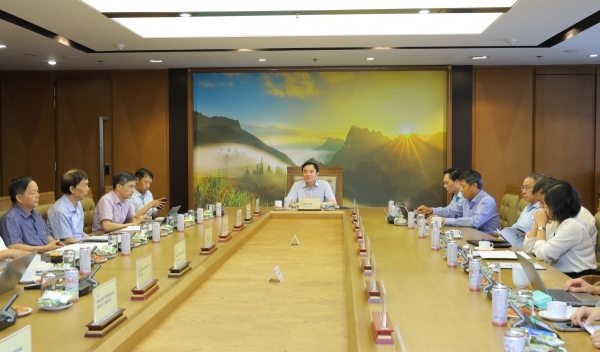
On July 1, 2026, the Vietnam Oil and Gas Group (Petrovietnam) organized its second-quarter seminar with the theme "Non-traditional security and issues for Petrovietnam." The event brought together numerous security economics experts alongside leadership and personnel from across the Group, aiming to discuss challenges and opportunities in managing non-traditional security matters.
Objectives of the Seminar
The seminar was organized with the following key objectives:
- To assess the current landscape of non-traditional security and its impact on Petrovietnam's operations
- To share experiences and solutions from experts in the security field
- To discuss necessary policies to ensure the Group's sustainable development
Key Discussion Points
During the seminar, experts highlighted several critical issues related to non-traditional security, including:
- Risks from non-traditional security threats such as terrorism, cybercrime, and climate change
- The impact of geopolitical factors on Petrovietnam's operations
- Necessary measures to enhance response and prevention capabilities
Assessment and Proposed Solutions
Speakers emphasized the importance of proactively managing non-traditional security challenges. Petrovietnam needs to:
- Establish comprehensive, flexible, and effective security policies
- Enhance training and raise awareness among personnel across the Group
- Improve cooperation between domestic and international units to share information and experiences
Expert Insights on Non-Traditional Security
Industry experts provided valuable perspectives on the evolving security landscape. They noted that as a key player in Vietnam's energy sector, Petrovietnam faces unique challenges that require innovative approaches to security management. The interconnected nature of modern threats means that traditional security measures are no longer sufficient to protect critical infrastructure and operations.
"The energy sector is particularly vulnerable to a wide range of non-traditional security threats," stated one expert during the seminar. "From cyberattacks on operational technology to physical threats at remote facilities, Petrovietnam must adopt a multi-layered security strategy that addresses both digital and physical vulnerabilities."
Industry Context and Significance
Petrovietnam's focus on non-traditional security comes at a critical time when the global energy sector is undergoing significant transformation. The company operates in an increasingly complex environment where traditional security concerns intersect with emerging challenges such as climate change, technological disruption, and geopolitical tensions.
The seminar reflects a growing recognition among energy companies worldwide that sustainable development requires not just environmental considerations but also robust security frameworks that can adapt to evolving threats. As Vietnam continues to develop its energy sector, Petrovietnam's approach to security management could serve as a model for other state-owned enterprises.
Future Directions and Implementation
Following the seminar, Petrovietnam announced plans to develop a comprehensive non-traditional security framework that will be integrated into the company's broader strategic planning. This framework will include:
- Regular security assessments and threat monitoring systems
- Enhanced cybersecurity protocols for critical infrastructure
- Climate adaptation strategies for facilities in vulnerable regions
- International cooperation agreements for information sharing and joint security exercises
Conclusion
The seminar not only raised awareness about non-traditional security but also created an opportunity for leadership across the Group to discuss and develop practical solutions, ensuring Petrovietnam's sustainable development in the current context. By proactively addressing these challenges, the company aims to protect its assets, ensure operational continuity, and contribute to Vietnam's energy security goals.
Through this seminar, Petrovietnam demonstrates its commitment to security protection while moving toward a future of sustainable development in an increasingly complex global environment.
| Aspect | Details |
|---|---|
| Event Date | July 1, 2026 |
| Participants | Security economics experts, Petrovietnam leadership and personnel |
| Primary Focus | Non-traditional security and sustainable development |
| Key Threats Discussed | |
| Proposed Solutions |
Petrovietnam's proactive approach to non-traditional security reflects the company's recognition that sustainable development in the modern energy sector requires addressing a wide range of security challenges beyond traditional concerns. As the company moves forward with implementing the solutions discussed during the seminar, it is positioned to become a leader in security management within Vietnam's energy sector.
#Petrovietnam #NonTraditionalSecurity #SustainableDevelopment #EnergySecurity