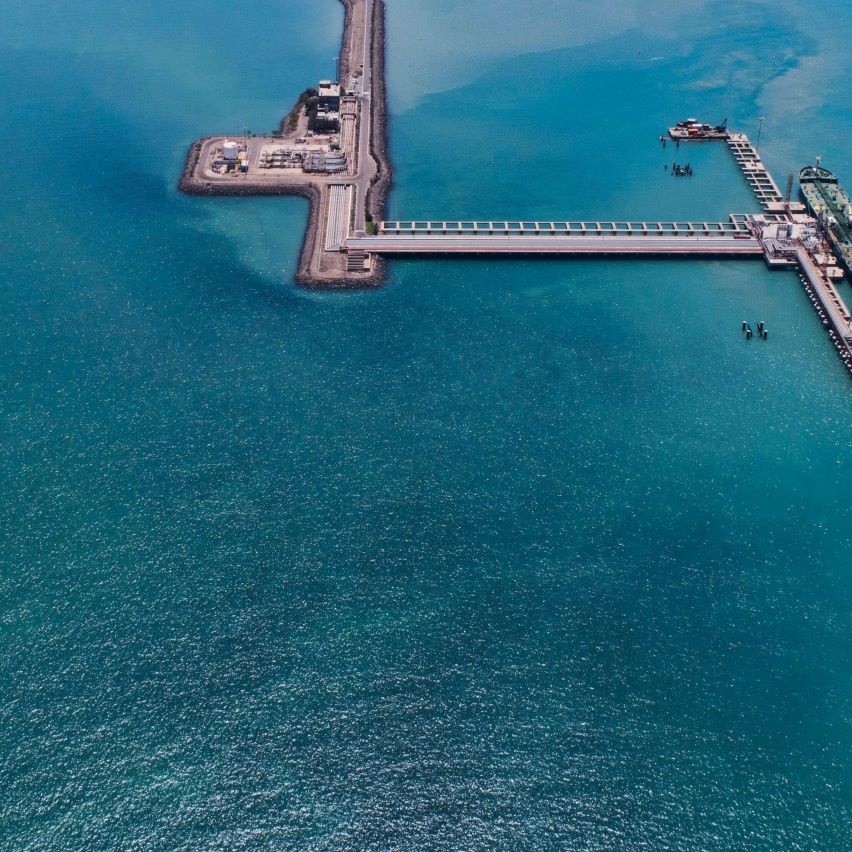
Russia Begins Importing Refined Fuel from India to Address Domestic Shortages
In the face of escalating Ukrainian drone attacks on its energy infrastructure, Russia has commenced importing refined fuel from India via maritime routes to mitigate severe domestic fuel shortages. According to an exclusive Reuters report, industry sources confirm that an initial shipment of at least 60,000 tons (equivalent to 510,000 barrels) of gasoline has been transported from India to Russian ports by two oil tankers.
The Escalating Fuel Crisis in Russia
Ukrainian drone strikes have disabled approximately 30% of Russia's oil refining capacity, pushing domestic refining output to a 21-year low during peak summer demand. With gasoline consumption surging to at least 110,000 tons daily during the busy summer months, Moscow is struggling to address a shortage of up to 25,000 tons (212,500 barrels per day).
The persistent attacks have specifically targeted Russian refineries, fuel storage facilities, and petrochemical plants throughout the past year. These strategic strikes have significantly reduced refining capacity and forced Moscow to limit fuel exports to protect domestic supplies.
Policy Response and Import Strategy
Last week, Russia's parliament passed emergency tax amendments that provide subsidies for fuel imports. These subsidies are specifically tied to shipping costs from India and port expenses to make maritime imports economically viable. The Kremlin plans to import 400,000 tons of gasoline monthly from India and other nations to bridge the widening supply gap.
The Russian government's approach reflects a strategic pivot in its energy policy, shifting from self-sufficiency to a more import-dependent model in response to unprecedented challenges to its domestic refining capabilities.
Regional Support and Limitations
Regional allies have also increased their support; Belarus has tripled fuel transfers to Russia via rail, reaching over 70,000 tons in the first half of June. However, neighboring landlocked countries lack the necessary capacity to single-handedly resolve the crisis.
This regional assistance, while significant, represents only a partial solution to Russia's fuel deficit, necessitating the broader international supply chain adjustments now being implemented.
India's Emergence as an Unexpected Supplier
India has unexpectedly become a key supplier to Russia's fuel market. After purchasing record volumes of discounted Russian crude, Indian refineries are now exporting gasoline back to Russia as domestic shortages intensify. In June alone, India imported approximately 2.6 to 2.7 million barrels of Russian crude daily, accounting for over half of its total crude imports.
This reciprocal trade relationship demonstrates the complex geopolitical dynamics shaping global energy markets, where traditional adversaries are finding pragmatic commercial solutions to shared challenges.
India's Refining Capabilities
Indian refineries possess substantial capacity to process crude oil into gasoline and other refined products, enabling them to supply markets that Russia can no longer fully serve. The long-term Ukrainian attacks have repeatedly disrupted Russian refining infrastructure, creating opportunities for countries with robust refining capabilities to fill the resulting supply vacuum.
The Indian refining sector's flexibility and capacity have positioned it as a critical player in maintaining global fuel supply chains amid regional conflicts and disruptions.
Challenges in Protecting Energy Infrastructure
The sustained attacks have highlighted the difficulties in protecting widely dispersed energy infrastructure across Russia's vast territory. The country's extensive network of refineries, pipelines, and storage facilities presents significant security challenges that traditional defensive measures have proven inadequate to address.
| Information | Details |
|---|---|
| Initial gasoline import shipment from India | 60,000 tons (510,000 barrels) |
| Daily domestic gasoline shortage | 25,000 tons (212,500 barrels) |
| Reduction in oil refining capacity | 30% |
| Summer gasoline consumption | 110,000 tons daily |
| Planned monthly import from India | 400,000 tons |
| Russian crude imports by India (June) | 2.6-2.7 million barrels daily |
Global Implications
These developments signal a significant shift in Russia's energy policy amid escalating tensions. The strategic decisions being made not only impact Russia's economy but also reverberate through global energy markets. The increased reliance on imports, particularly from countries like India, represents a fundamental change in Russia's position as a traditional energy exporter.
As Russia adjusts to this new reality, global energy markets must accommodate these shifting supply dynamics, potentially leading to price volatility and realignment of traditional trade relationships. The situation underscores the vulnerability of even the largest energy producers to asymmetric warfare tactics and the increasingly complex interconnections between geopolitics and energy security.
The evolving relationship between Russia and India in the energy sector may serve as a model for other nations seeking to navigate the challenges of maintaining energy security amid geopolitical conflicts and disruptions to traditional supply chains.