Ho Chi Minh City: 50 Years of Technological Transformation and Digital Future
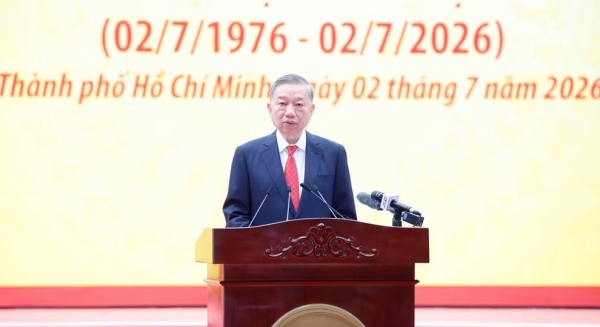
As Ho Chi Minh City commemorates 50 years since its renaming in honor of President Hồ Chí Minh, the metropolis stands as a testament to Vietnam's remarkable technological evolution. From a recovering post-war city to a thriving digital economy hub, the city's journey reflects the nation's broader technological aspirations and achievements.
Historical Context: From Saigon to Ho Chi Minh City
On July 2, 1976, the National Assembly of Vietnam issued Resolution 26/1976/QH6, renaming Saigon-Gia Định to Ho Chi Minh City. This renaming marked not just a political transformation but the beginning of a new era for the city that would become Vietnam's technological heartland.
In the aftermath of the war, Ho Chi Minh City faced significant challenges, with its infrastructure damaged and technological capabilities severely limited. The city's transformation over the past five decades has been nothing short of extraordinary, evolving into a center for innovation, digital enterprise, and technological advancement.
Technological Evolution: A Half-Century Progress
The technological journey of Ho Chi Minh City can be divided into distinct periods, each marked by significant milestones:
1976-1990: Foundation Building
The initial post-war period focused on rebuilding basic infrastructure and establishing foundational industries. Technology development was limited but began with the establishment of research institutions and technical training centers.
1991-2000: Opening and Adoption
With Đổi Mới (Renovation) policies, the city began adopting foreign technologies and establishing joint ventures. The first internet connections were established, marking the beginning of Vietnam's digital age.
2001-2015: Accelerated Growth
This period saw rapid technological advancement with the proliferation of mobile phones, expansion of internet infrastructure, and emergence of the first tech startups. Industrial zones focused on electronics manufacturing began flourishing.
2016-Present: Digital Transformation
The current era is characterized by digital transformation, with artificial intelligence, blockchain, IoT, and smart city initiatives becoming central to the city's development strategy.
The following table illustrates key technological milestones in Ho Chi Minh City's development:
| Period | Key Technological Achievements | Impact on City Development |
|---|---|---|
| 1976-1990 | Laid foundation for future industrial development | |
| 1991-2000 | Beginning of digital economy foundation | |
| 2001-2015 | Became Vietnam's IT hub | |
| 2016-Present | Becoming regional innovation center |
Current Technology Landscape and Key Sectors
Today, Ho Chi Minh City has established itself as Vietnam's primary technology center, with several key sectors driving innovation and economic growth:
Information Technology and Software Development
The city hosts over 6,000 IT enterprises, including major multinational companies like Intel, FPT Software, and NashTech. The Quang Trung Software Park, established in 2001, has become a beacon for Vietnam's software industry, exporting products to over 50 countries.
Electronics Manufacturing
As a key electronics manufacturing hub, the city contributes significantly to Vietnam's export economy. Samsung's largest smartphone factory outside of Korea is located here, producing over 50% of the company's global smartphone output.
Financial Technology
Ho Chi Minh City has emerged as Vietnam's fintech center, with over 200 fintech startups operating in the city. Major banks and financial institutions have established innovation labs, driving digital transformation in financial services.
Research and Development
The city hosts numerous research institutions, including the Ho Chi Minh City University of Technology, Vietnam National University Ho Chi Minh City, and various private R&D centers focused on AI, biotechnology, and advanced materials.
Logistics and Supply Chain Technology
As Vietnam's largest port city, Ho Chi Minh City has developed advanced logistics technologies, with smart port operations, blockchain-based supply chain tracking, and AI-driven logistics optimization becoming increasingly prevalent.
Smart City Development and Digital Transformation
Ho Chi Minh City's smart city initiative represents one of Vietnam's most ambitious technological undertakings, with investments exceeding $5 billion over the past decade. The transformation encompasses multiple dimensions:
Smart Infrastructure
The city has implemented intelligent traffic management systems, smart energy grids, and digital public services. Over 90% of public services are now available online through the city's e-portal, reducing processing time by an average of 70%.
Digital Governance
Ho Chi Minh City has pioneered digital governance initiatives, including blockchain-based land registration systems, AI-powered public service chatbots, and data-driven policy formulation tools. These innovations have improved transparency and efficiency in public administration.
Environmental Technology
Addressing urban environmental challenges, the city has implemented smart waste management systems with IoT sensors, real-time air quality monitoring networks, and AI-driven flood prediction systems that have reduced flood-related damages by 60%.
Smart Healthcare
The city's healthcare sector has embraced digital transformation with telemedicine platforms, electronic health records, AI-assisted diagnostics, and robotics in surgical procedures. These advancements have improved healthcare access and outcomes for millions of residents.
Future Technology Directions and Initiatives
Looking ahead, Ho Chi Minh City has outlined ambitious technological goals for the coming decades, focusing on several key areas:
Artificial Intelligence and Big Data
The city aims to become a regional AI hub, with plans to establish AI research centers, develop local AI talent, and implement AI solutions across various sectors including healthcare, transportation, and urban management.
5G and Next-Generation Connectivity
Ho Chi Minh City is leading Vietnam's 5G deployment, with the goal of achieving 95% 5G coverage by 2030. This infrastructure will enable smart city applications, autonomous vehicles, and advanced industrial automation.
Quantum Computing and Advanced Technologies
The city is investing in quantum computing research, establishing partnerships with international research institutions, and preparing for the next technological revolution that could transform computing capabilities.
Sustainable Technology
As part of its green city initiative, Ho Chi Minh City is focusing on renewable energy technologies, smart grid implementations, and carbon capture systems to achieve carbon neutrality by 2050.
Technology for Social Good
The city emphasizes using technology to address social challenges, including digital literacy programs for underserved communities, technology-enabled healthcare access in rural areas, and AI-assisted educational tools.
Technology Innovation Ecosystem
Ho Chi Minh City is developing a comprehensive innovation ecosystem with tech incubators, venture capital funds, technology transfer offices, and innovation districts to nurture startups and attract global tech talent.
Challenges and Opportunities
Despite its technological achievements, Ho Chi Minh City faces several challenges that must be addressed:
Digital Divide
While the city has made significant progress in digital infrastructure, disparities remain between urban and rural areas. The city is implementing programs to expand internet access and digital literacy across all districts.
Cybersecurity
As digital transformation accelerates, cybersecurity has become a critical concern. The city is strengthening its cybersecurity framework, establishing dedicated cyber defense units, and implementing advanced threat detection systems.
Talent Development
The demand for technology professionals continues to outpace supply. Ho Chi Minh City is expanding STEM education programs, establishing specialized technology universities, and implementing initiatives to retain local tech talent while attracting international experts.
Infrastructure Sustainability
The rapid pace of technological development puts pressure on infrastructure. The city is investing in sustainable infrastructure solutions, including green data centers, energy-efficient buildings, and circular economy technologies.
Conclusion: A Digital Future
As Ho Chi Minh City celebrates 50 years since its renaming, it stands as a symbol of Vietnam's technological journey and aspirations. From a recovering post-war city to a thriving digital economy hub, the city's transformation has been remarkable.
The technological achievements of the past five decades provide a strong foundation for future innovation. With continued investment in digital infrastructure, talent development, and research, Ho Chi Minh City is well-positioned to lead Vietnam's technological advancement and contribute to global innovation.
As the city moves forward, it remains committed to harnessing technology for social good, ensuring that digital transformation benefits all citizens and contributes to building a prosperous, sustainable future. The next 50 years promise even greater technological breakthroughs, and Ho Chi Minh City is poised to be at the forefront of this digital revolution.
Hanoi, July 2, 2026
Technology Correspondent