Iran Seizes 60-Day Window to Boost Oil Exports Amid Sanctions Relief
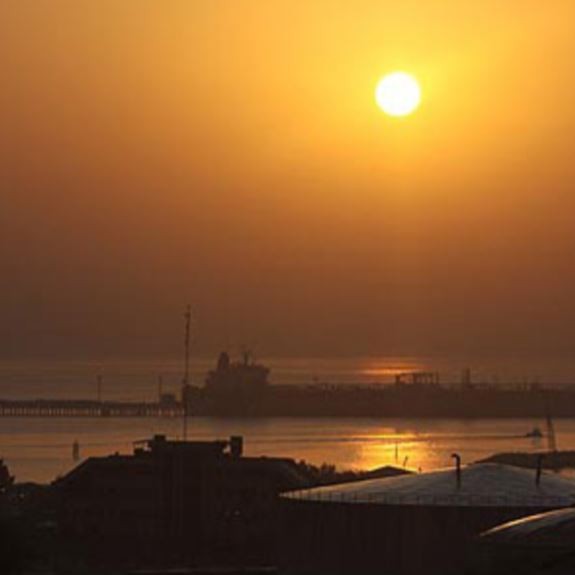
Following the agreement reached in mid-June between the Islamic Republic of Iran and the United States establishing a 60-day negotiation period, Tehran has wasted no time in fully returning to the oil export market. Since signing the Memorandum of Understanding (MoU) and the lifting of US blockade measures aimed at curbing Iran's oil exports, Tehran has exported millions of barrels of its oil and may have secured higher revenues from these transactions due to narrowing discounts for Iranian crude oil compared to benchmarks.
Agreement Brings Significant Benefits
In the Memorandum of Understanding, Iran secured several important concessions during the 60-day negotiation period. Not only was the US blockade in the Oman Gulf lifted in exchange for Iran reopening the Strait of Hormuz, but US sanctions on the sale of Iranian oil were also temporarily exempted until August 21.
Iran Capitalizes on Time to Export Oil
Iran prepared for increased shipping immediately after the US lifted its blockade. Three days after the MoU was signed, at least three supertankers, totaling 6 million barrels of Iranian crude oil, moved through the Strait of Hormuz, with vessel tracking data indicating they were heading toward Singapore waters, according to vessel tracking data compiled by Bloomberg.
On June 20, the volume of Iranian crude oil passing through the Strait of Hormuz was the highest in a single day since the conflict began on February 28, with Iranian crude openly leaving the important oil terminal on Kharg Island and entering the Strait of Hormuz, according to Bloomberg estimates.
The sharp increase in Iran's oil shipments out of the Gulf and into waters near the Malacca and Singapore Straits has provided Iran with a lifeline to boost exports that had been impacted by the US blockade over the past two months.
Iranian Oil Export Data
| Time Period | Export Volume (million barrels/day) | Status |
|---|---|---|
| Pre-war (early 2024) | ~2.5 | Normal |
| March - early April | ~7 (peak) | Sharp increase |
| May - early June | ~0 | Complete blockade |
| Post-MoU (mid-June) | ~8 (peak) | Strong recovery |
"The number of vessels departing carrying Iranian oil only increased by 16% after the MoU because Iran had been the largest source during the blockade period, and a substantial amount of oil had been positioned at Chabhahar outside Hormuz ready to move once the US blockade was lifted," Claire Jungman, Director of Risk and Maritime Intelligence at Vortexa, said last week.
According to Vortexa's crude oil tracking, Iran's shipping activity surged in March and early April, before the US imposed shipping restrictions, with peaks near 7 million barrels per day on some occasions. Then, Iran's shipping volumes dropped significantly in May as the US tightened its blockade outside the Strait of Hormuz.
However, after the MoU was signed on June 17, Iranian crude volumes have recovered strongly, reaching a peak of approximately 8 million barrels per day, noted Jungman of Vortexa.
Iran Confirms Export Volumes
"Since the navy lifted the blockade, we have exported more than 40 million barrels of oil," Iranian negotiator and parliament speaker Mohammad Bagher Ghalibaf said in a state television interview on Tuesday.
Ghalibaf's statement is largely supported by tanker tracking services. According to TankerTrackers.com, Iran has exported 50 million barrels of crude oil since the US-imposed blockade was lifted two weeks ago. This equates to 1.66 million barrels per day for June 2026.
"Most other countries in the region are still far below pre-war levels," TankerTrackers.com stated.
Ghalibaf also acknowledged that the US blockade had effectively choked off all of Iran's oil shipments in May and early June, saying, "In return, in the 50 to nearly 60 days before that, we actually could not export even a single barrel of oil."
Iranian Crude Oil Price Comparison
| Time Period | Discount to Benchmark | Relative Price |
|---|---|---|
| Before MoU signing | High (20-30%) | Low |
| After MoU signing | Low (5-10%) | 20% higher |
Uncertain Future Beyond the 60-Day Window
With the blockade lifted and Tehran's oil sales exempt from sanctions until August 21, Iran is bringing tankers back into the Persian Gulf to load from Kharg Island and other key terminals and to address the backlog that couldn't be shipped between mid-April and mid-June.
China remains Iran's primary customer as other buyers are hesitant to commit to purchases during a 60-day window that could close earlier than expected if negotiations collapse.
But now Chinese refiners may be able to purchase Iranian oil in US dollars on August 21 without the risk of secondary sanctions.
"The price of Iranian oil is 20% higher than before the MoU was signed," Ghalibaf said.
This has provided Iran with additional revenue from oil sales, even as international crude oil prices have fallen to pre-war levels.
However, clarity beyond August 21, when the 60-day negotiation period expires, is low. Daily clarity in these negotiations is poor, as US and Iranian officials often contradict each other in statements to the media about what has been discussed and what has been agreed upon.
The 60-day negotiation period could be extended, Iran may continue to demand transit fees through the Strait of Hormuz in the future, new attacks on commercial vessels could occur, or US attacks on Iran could derail negotiations once again.
Certainly, Iran is maximizing the limited exemption window granted in recent weeks. Tehran appears determined to ship as much oil as possible out of the region, securing substantial revenues in the process as the discount for Iranian crude oil has narrowed.