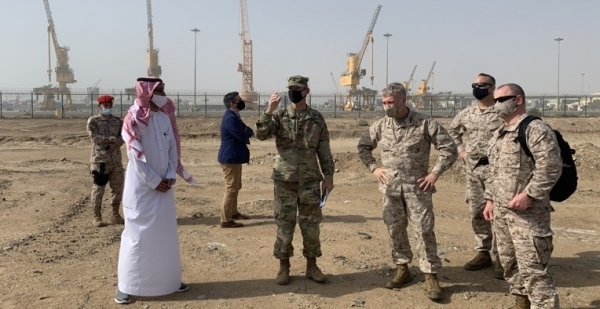
New Developments in the Middle East: US Considers Reducing Military Presence in Saudi Arabia
The geopolitical landscape of the Middle East continues to evolve with reports indicating that the United States is considering a significant reduction of its military forces in Saudi Arabia—a move that could profoundly impact regional power dynamics and security arrangements.
Escalating Tensions in the Middle East
Amid escalating tensions in the Middle East, particularly following recent attacks on commercial vessels and energy infrastructure, Washington is reassessing its military footprint in the oil-rich kingdom. According to sources within the US Department of Defense, the Biden administration is evaluating options to reduce the number of military personnel and defensive systems stationed in Saudi Arabia.
Saudi Arabia, a nation with substantial influence over global energy markets, has served as one of the most critical military bases for US operations in the Middle East over the past two decades. However, shifting geopolitical circumstances and emerging threats are compelling Washington to recalibrate its regional military strategy.
Details of the Proposed Military Reduction
According to anonymous officials from the Pentagon, the US is contemplating reducing its military personnel in Saudi Arabia by approximately 20-30%. Currently, an estimated 2,000-3,000 US military personnel are stationed in the kingdom, primarily serving in advisory and missile defense support roles.
| Current Military Components | Estimated Personnel | Primary Missions |
|---|---|---|
| Air Force Personnel | 800-1,000 | Patrol and surveillance operations |
| Naval Forces | 500-700 | Maritime security operations |
| Advisory and Training | 700-1,300 | Training Saudi military forces |
Rationale Behind the US Decision
Strategic analysts have identified several factors contributing to this potential shift in US military posture:
- "Indo-Pacific" Strategic Priority: The US is prioritizing the reallocation of resources to the Indo-Pacific region to counter China's growing influence.
- Operational Costs: Maintaining military operations in the Middle East is expensive, particularly amid constrained defense budgets.
- Improved Security Conditions: Security situations in certain Middle Eastern regions have stabilized compared to previous years.
- Relationship Diversification: The US is seeking to reduce its dependence on Saudi Arabia while maintaining strategic partnership.
Saudi Arabia's Response
Riyadh has expressed concerns regarding the proposed reduction of US forces. A high-ranking Saudi diplomatic official stated: "We value the US military presence in Saudi Arabia as an important component of our mutual security commitment."
However, Saudi officials have indicated their preparedness to manage various scenarios, having significantly enhanced domestic defense capabilities in recent years. The kingdom has recently signed multi-billion dollar arms deals with several nations, including the United States, France, and China.
Regional Implications
A reduction in US military presence in Saudi Arabia could create a power vacuum in the region. Other major powers such as China, Russia, and Iran may seek to increase their influence in the Middle East.
The following table compares potential scenarios and their likely impacts:
| Scenario | Impact on Regional Security | Impact on US-Saudi Relations | Impact on Energy Markets |
|---|---|---|---|
| Moderate Force Reduction | Limited impact | Remains stable | Short-term market psychology |
| Significant Force Reduction | Increased Iranian threat perception | Strain in relations | Oil price volatility |
| Complete Withdrawal | Shift in regional power balance | Strategic realignment | Sharp increase in oil prices |
Future Outlook
Security analysts suggest that the US will likely implement a gradual reduction rather than an abrupt withdrawal. This phased approach, potentially spanning 6 to 12 months, would allow both nations to adjust plans and mitigate risks.
A critical factor to monitor will be Iran's response. If Tehran escalates military activities or missile testing following a reduced US presence in Saudi Arabia, Washington might reconsider its decision.
Conclusion
The potential reduction of US military forces in Saudi Arabia marks a significant shift in Washington's security strategy for the Middle East. While this move may reflect changing global strategic priorities, it also carries substantial risks for stability in one of the world's most critical regions.
The evolving situation in the Middle East will remain a global focal point, and the US decision regarding its military presence in Saudi Arabia will undoubtedly have far-reaching implications for regional power dynamics and security in the coming months and years.
MiddleEast #US #SaudiArabia #MilitaryAffairs #InternationalSecurity