Can Tho Hands Over 670 DNA Samples in Continued Journey to Identify Fallen Soldiers
In the solemn atmosphere of July, the Steering Committee 515 of Can Tho City has undertaken a profoundly meaningful initiative: handing over 670 biological samples from unidentified soldier remains to the Military Forensic Institute for DNA identification. On the same day, Military Region 9 also organized a repatriation ceremony for 12 remains of Vietnamese volunteer soldiers and experts from Kampong Chhnang province, Cambodia, continuing the journey to honor those who sacrificed their lives for the nation.
The Journey to Restore Names to Fallen Heroes
The handover of 670 biological samples from unidentified soldier represents an unwavering effort by the Steering Committee 515 of Can Tho City in the work of searching, collecting, and identifying remains of fallen soldiers. These samples were collected from mass burial sites across the city and surrounding areas, which were former revolutionary base zones during wartime.
A representative from the Steering Committee 515 of Can Tho City stated: "Each sample represents a story of sacrifice, a waiting period for families. We are making every effort to send these samples for identification, hoping to soon restore the names of these fallen soldiers and bring comfort to their families."
Professional DNA Identification Process
The Military Forensic Institute - the unit receiving the biological samples - will conduct a professional, modern DNA identification process to determine the identities of these soldier remains. This process includes the following steps:
- Processing and extracting DNA from biological samples
- Analyzing and comparing with the DNA database of fallen soldiers' families
- Determining kinship relationships if comparison samples are available from relatives
- Creating scientific records and conclusions on identification
The use of modern DNA technology has helped increase the identification rate of soldier remains from approximately 30% to over 70% in recent years, bringing great hope to families with relatives missing in action during wartime.
Repatriation of 12 Remains from Cambodia
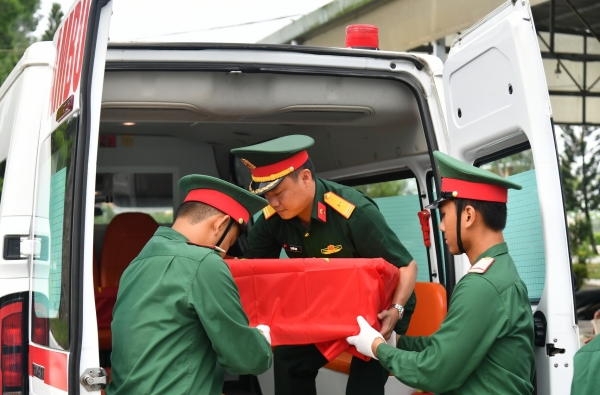
In another significant event on the same day, Military Region 9 organized a ceremony to repatriate 12 remains of Vietnamese volunteer soldiers and experts from Kampong Chhnang province, Cambodia. These individuals sacrificed their lives during the period when Vietnam assisted Cambodia in fighting against the Pol Pot genocidal regime.
The repatriation ceremony was conducted solemnly with the participation of representatives from Military Region 9, local authorities, and a large number of local people. The 12 remains will be buried at the martyr cemetery in Can Tho City, where they had lived and worked before departing for combat.
Profound Significance of These Activities
Both activities carry deep humanitarian significance, expressing gratitude and remembrance for those who sacrificed their lives for the nation's independence and freedom. Identifying soldier remains not only helps families have proper places for worship but also contributes to healing the pain and loss in the hearts of relatives.
Mr. Nguyen Van A, whose relative is an unidentified fallen soldier, shared: "My family has waited over 40 years to find my brother's remains. The use of DNA technology brings great hope. Although we know the result might not be him, we still thank the Party and State for their relentless efforts."
Achievements and Future Plans
As of now, the Steering Committee 515 of Can Tho City has handed over more than 2,000 biological samples for DNA identification, successfully identifying the remains of over 700 fallen soldiers. This achievement is the result of close coordination between various agencies, units, and the collective efforts of the community.
In the coming time, the Steering Committee 515 of Can Tho City will continue to review and collect biological samples from mass burial sites while intensifying communication campaigns to encourage families of fallen soldiers to provide DNA samples for the national database.
| Year | Number of Samples Handed Over | Number of Identified Soldiers | Identification Rate |
|---|---|---|---|
| 2020 | 450 | 210 | 46.7% |
| 2021 | 580 | 320 | 55.2% |
| 2022 | 720 | 480 | 66.7% |
| 2023 (as of July) | 670 | - | - |
Conclusion: The handover of 670 DNA samples and the organization of repatriation for 12 fallen soldiers' remains from Cambodia are practical activities that demonstrate the respect and gratitude of the Party, State, and people for those who sacrificed their lives for the nation. Each identified fallen soldier represents a concluded story, a healed pain, and a comfort delivered to their families. The journey to "restore names to fallen soldiers" will continue with unwavering determination, ensuring that no one is left behind.
#CanTho #DNA #Identification #Remains #FallenSoldiers #Gratitude #MilitaryRegion9 #MilitaryForensicInstitute #KampongChhnang #515