Vietnam Attracts Over $34 Billion in Foreign Investment During First Half of 2023
In a significant development for Vietnam's economic landscape, the nation has successfully attracted more than $34 billion in foreign direct investment (FDI) during the first six months of 2023. This remarkable achievement not only demonstrates the growing appeal of Vietnam's investment climate but also presents substantial opportunities for both domestic and international investors.
1. Comprehensive Overview of Foreign Investment Inflows
According to the latest report from the Ministry of Planning and Investment, Vietnam has experienced impressive growth in FDI commitments during the first half of 2023. The total committed FDI capital reached over $34 billion, reflecting a strong economic recovery post-pandemic. This surge in investment underscores Vietnam's position as an attractive destination for international capital seeking stable growth opportunities in Southeast Asia.
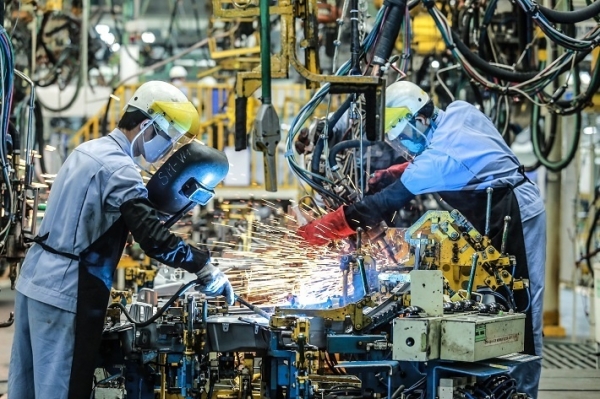
The FDI inflows are distributed across various sectors, with manufacturing, technology, and renewable energy emerging as the primary beneficiaries of this investment wave. The Vietnamese government's proactive policies aimed at improving the business environment, streamlining administrative procedures, and offering attractive incentives have played a crucial role in this achievement.
| Investment Metrics | First Half 2023 |
|---|---|
| Total Committed FDI Capital | $34 billion USD |
| Number of New Projects | 1,500 projects |
| Year-on-Year Growth | 18.5% increase |
| Top Investment Sectors | Manufacturing, Technology, Renewable Energy |
2. Strategic Initiative: Priority Chip Lines for State Procurement
In a move aimed at strengthening domestic technological capabilities, the Ministry of Industry and Trade has proposed 16 specific chip lines that the Vietnamese government will prioritize for state procurement. This strategic initiative represents a significant step toward enhancing domestic semiconductor production capabilities and reducing dependence on foreign supply chains.
The selected chip lines focus on applications critical to Vietnam's economic development, including microcontrollers for industrial automation, power management chips for renewable energy systems, and sensors for smart city infrastructure. By committing to purchase these domestically produced chips, the government aims to create a stable market for domestic semiconductor manufacturers while building technical expertise in this high-value sector.
Industry analysts view this proposal as part of Vietnam's broader strategy to participate in the global semiconductor value chain, potentially positioning the country as a regional hub for semiconductor assembly and testing in the coming years.
3. Enhanced Tax Compliance Measures: Travel Restrictions for Significant Tax Debt
In an effort to improve tax compliance and ensure fiscal responsibility, Vietnamese tax authorities have implemented a new regulation requiring individuals with tax arrears of 50 million VND (approximately $2,100) or more to be temporarily barred from international travel. This measure aims to strengthen tax collection mechanisms while deterring tax evasion practices.
The travel restriction policy applies to both individuals and corporate representatives with outstanding tax obligations exceeding the specified threshold. Tax authorities have established clear procedures for resolving tax debts, allowing affected parties to make arrangements for payment before travel permissions are granted.
Economic experts suggest that while this measure may face implementation challenges, it represents a significant step toward creating a culture of tax compliance in Vietnam. The government has emphasized that the policy is not intended to penalize genuine taxpayers experiencing temporary financial difficulties but rather to address cases of deliberate tax avoidance.
4. Renewable Energy Milestone: Nearly 28 MWp Rooftop Solar Project Operational
Vietnam's renewable energy sector has reached another significant milestone with the commissioning of a rooftop solar power project with a capacity of nearly 28 megawatt-peak (MWp). This project marks a substantial advancement in Vietnam's transition toward sustainable energy sources and contributes to the nation's broader climate change mitigation efforts.
The rooftop solar installation spans multiple commercial and residential buildings, demonstrating the scalability of distributed solar generation in urban environments. The project is expected to generate approximately 40,000 MWh of electricity annually, reducing carbon emissions by an estimated 28,000 tons per year.
This development aligns with Vietnam's ambitious renewable energy targets, which aim to increase the proportion of renewable energy in the national power mix to 30% by 2030 and 50% by 2050. The success of this rooftop solar project paves the way for similar initiatives across the country, contributing to energy security while supporting economic development through clean power generation.
| Project Specifications | Details |
|---|---|
| Total Capacity | 28 MWp |
| Annual Electricity Generation | 40,000 MWh |
| Annual Carbon Reduction | 28,000 tons |
| Project Type | Distributed Rooftop Solar |
5. Economic Transformation and Future Outlook
The developments outlined above collectively illustrate Vietnam's strategic economic transformation in the context of global integration. The substantial increase in foreign investment, coupled with targeted policies supporting technological advancement and renewable energy, positions Vietnam for sustained economic growth in the coming years.
The government's commitment to improving the business environment, investing in high-value sectors, and transitioning to sustainable energy sources creates a favorable foundation for long-term economic development. These efforts, combined with Vietnam's young, dynamic workforce and strategic geographical location, continue to enhance the country's competitiveness in the global economy.
As Vietnam progresses toward its development goals, maintaining this momentum will require continued policy consistency, investment in human capital, and adaptation to emerging global economic trends. The country's performance in the first half of 2023 suggests that Vietnam is well-positioned to navigate these challenges and capitalize on new opportunities in the evolving global landscape.
The convergence of increased foreign investment, strategic technological initiatives, and renewable energy development represents a comprehensive approach to economic growth that could serve as a model for other developing nations seeking to balance economic advancement with sustainability goals.