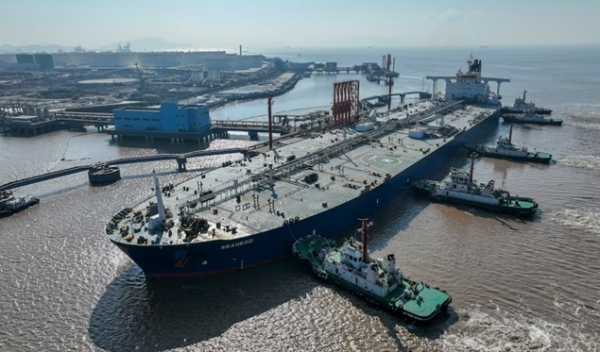
China Lifts Fuel Export Restrictions: New Impetus for Global Energy Markets
On July 7, 2023, trade sources confirmed that China has officially removed restrictions on refined fuel exports for the remainder of July. This development carries significant weight, particularly as the global oil industry confronts numerous challenges including fluctuating demand, geopolitical tensions, and transitioning energy policies.
Key Developments
- China has permitted the resumption of refined fuel exports after a four-month suspension.
- A private refinery has been granted permission to continue export operations.
- This decision is expected to influence global fuel prices and supply dynamics.
Background on China's Fuel Export Policies
China's recent decision to lift fuel export restrictions follows a period of tightened controls that began in March 2023. During this four-month suspension, the Chinese government had implemented export quotas aimed at ensuring domestic fuel supply stability while managing domestic refining capacity. The restrictions particularly affected independent refineries, commonly known as "teapots," which have become increasingly significant in China's energy landscape.
The export suspension was initially implemented as part of China's broader economic strategy to address domestic price pressures and ensure energy security. During this period, the government maintained a careful balance between supporting domestic economic growth and managing international trade relationships.
Rationale for Lifting Restrictions
The decision to remove export restrictions is understood to be part of the Chinese government's strategy to balance domestic supply and demand while creating conditions for private refineries to resume production. Allowing exports to resume also reflects the government's efforts to support the gradually recovering economy in the post-pandemic era.
Industry analysts suggest several factors may have influenced this policy shift:
- Improved domestic refining capacity and utilization rates
- Stabilization of domestic fuel prices
- Increasing demand from international markets
- Desire to maintain China's position in global energy trade
Potential Impacts on Global Markets
China's lifting of fuel export restrictions could bring significant changes to the global fuel market. The following table summarizes potential impacts:
| Impact Area | Description |
|---|---|
| Fuel Prices | Prices may decrease as increased supply from resumed exports enters the market. |
| Market Competition | Other oil producers may need to adjust pricing strategies to compete with Chinese products. |
| Foreign Investment | China's oil industry may become more attractive to foreign investment opportunities. |
| Regional Trade Flows | Asian and African markets may see increased fuel imports from China. |
Broader Implications for Energy Markets
The resumption of Chinese fuel exports arrives at a critical juncture for global energy markets. The world is simultaneously navigating:
- Recovery from pandemic-related disruptions
- Geopolitical tensions affecting traditional supply routes
- The ongoing energy transition toward renewable sources
- Fluctuations in demand from different economic regions
China's role as both a major consumer and increasingly significant producer of refined products gives this policy decision outsized importance in global energy markets. The country's refining capacity has expanded significantly over the past decade, with private refineries now accounting for approximately 20% of total processing capacity.
Industry Response and Future Outlook
Market participants are closely monitoring developments in China, with many adjusting their strategies in anticipation of increased Chinese exports in the coming months. The decision's timing—midway through the third quarter—suggests a calculated approach to balance seasonal demand variations with domestic economic considerations.
Energy analysts predict that China's export volumes may gradually increase through the remainder of 2023, particularly if domestic refining capacity continues to expand and international demand remains robust. However, the government is likely to maintain a flexible approach, potentially reimposing restrictions if domestic market conditions warrant.
Conclusion
China's decision to lift refined fuel export restrictions represents a significant development in global energy markets. This policy shift demonstrates the government's balancing act between supporting domestic economic recovery and maintaining China's position in international energy trade. As global markets adjust to this new reality, stakeholders across the energy value chain will need to remain vigilant and adaptable to changing conditions.
The coming months will reveal whether this marks a permanent shift in China's export policy or a temporary adjustment. Regardless, the decision underscores China's growing influence in global energy markets and the interconnected nature of today's energy systems.
#China #FuelExports #EnergyMarkets #OilIndustry #GlobalTrade