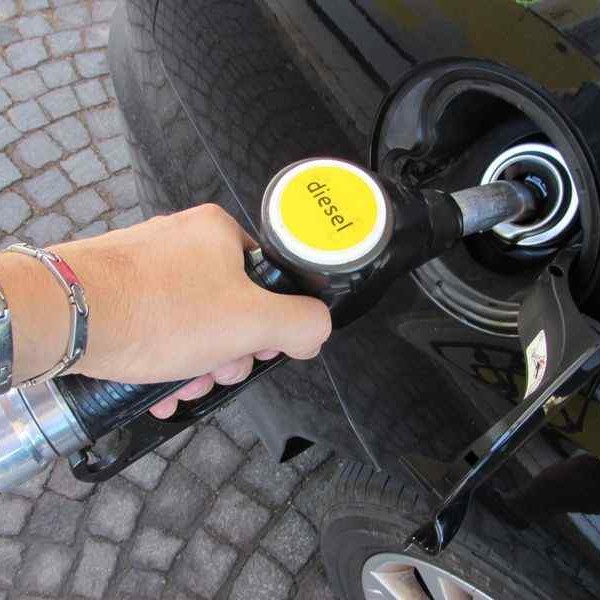
Russia Implements Diesel Export Ban Amid Escalating Ukrainian Drone Attacks on Energy Infrastructure
In a significant development reflecting the intensifying energy conflict between Russia and Ukraine, the Russian government has officially imposed a complete ban on diesel exports. This measure comes in response to increasingly sophisticated drone attacks by Ukraine that have severely damaged Russian energy infrastructure. According to Russian Deputy Prime Minister Alexander Novak, the export prohibition aims to protect the domestic fuel market, addressing a loophole that oil companies had previously exploited to sell fuel internationally. The ban is expected to remain in effect until the end of July.
Major Attack on Omsk Refinery - The Heart of Russia's Oil Refining Industry
Last Tuesday, a long-range Ukrainian strike successfully crippled the Omsk oil refinery, operated by Gazprom Neft, which stands as Russia's largest oil processing facility. The attack directly targeted key distillation units, causing substantial damage to production capabilities. At least four projectiles struck the ELOU-AVT-11 crude oil processing unit directly, which accounts for approximately 40% of the entire refinery's production capacity.
Prior to this incident, Ukraine had also targeted oil facilities near St. Petersburg, one of Russia's major energy centers in the Baltic region. These attacks mark an expansion of Ukrainian operations from refineries to broader oil and gas infrastructure, demonstrating an evolving strategy to disrupt Russia's energy capabilities.
Ukraine's Expanding and Intensified Drone Campaign
Current Ukrainian operations represent one of the most aggressive campaigns to date, with long-range strikes demonstrating unprecedented access to Russia's deep energy infrastructure. Notably, upgraded Fire Point FP-1 drones have flown over 2,500 kilometers to strike the crude processing unit at the Omsk refinery.
A critical aspect of these drones is their redesigned wings, which accommodate additional fuel tanks, extending their range to an impressive 3,400 kilometers—one of the longest one-way drone strike distances in the current conflict. To date, Ukrainian drones have attacked more than 16 major Russian oil refineries and fuel ports, resulting in the loss of over 30% of Russia's total oil refining capacity.
Impact on Russia's Domestic Energy Market and Countermeasures
Russia is currently facing an approximate 20% deficit in domestic gasoline and diesel production. To compensate for this shortfall, the country plans to import up to 400,000 tons of fuel monthly from neighboring nations. India has emerged as a crucial supplier, with at least 60,000 tons of gasoline already transported to Russia.
The imported fuel shipments primarily originate from the Nayara Energy refinery in Gujarat, India—one of the largest and most modern refineries in the region. This strategic import partnership reflects Russia's urgent need to maintain domestic fuel supplies amid ongoing production disruptions.
Key Information Summary
| Aspect | Details |
|---|---|
| Export Ban | On diesel products, effective until end of July |
| Targeted Facility | Omsk Oil Refinery (Gazprom Neft), specifically the ELOU-AVT-11 processing unit |
| Fire Point FP-1 Drone Range | Up to 3,400 km, with 2,500+ km reach to target |
| Impact on Refining Capacity | Over 30% of Russia's oil refining capacity disrupted |
| Domestic Fuel Shortage | Approximately 20% deficit in gasoline and diesel production |
| Fuel Imports | Up to 400,000 tons/month, primarily from India (Nayara Energy) |
Conclusion: The Ukrainian drone campaign has inflicted substantial damage on Russia's oil refining industry, compelling the implementation of urgent measures to protect the domestic market. The diesel export ban, coupled with increased fuel imports from foreign partners particularly India, signifies a strategic shift in Russia's energy approach amid prolonged conflict and mounting pressure from technologically sophisticated attacks.
This information was compiled by Alex Kimani for Oilprice.com.