Iraq Extends Oil Pipeline Agreement with Turkey - Temporary Solution for Economic Survival
BAGHDAD - In a critical move to preserve one of the few viable oil export routes, Iraq and Turkey are set to sign a 12-month extension agreement for the Iraq-Turkey oil pipeline. This extension will prevent the pipeline from expiring on July 27, which would threaten Iraq's oil-dependent economy.
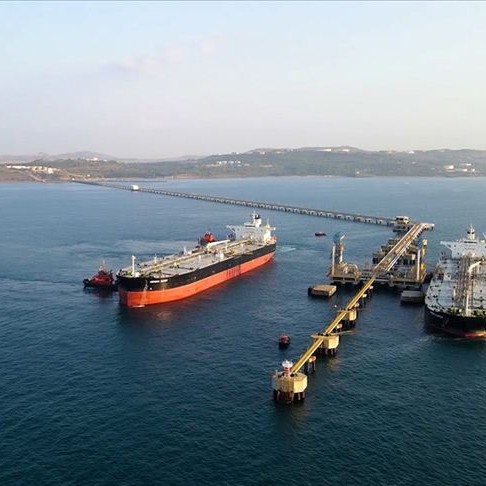
According to Turkish Energy Minister Alparslan Bayraktar, the agreement is in its final stages and will ensure crude oil continues to flow from Iraq to the Mediterranean export terminal at Ceyhan. "This is just a one-year extension, but for now, it is sufficient," Bayraktar stated.
Background and Strategic Importance
Amid regional tensions and the threat of war with Iran, the oil pipeline has transitioned from a secondary export option to a lifeline for Iraq. With the Strait of Hormuz - the vital maritime route for most regional oil - nearly closed for several months, the Ceyhan route has become an indispensable alternative.
With most oil exports from southern Iraq bottlenecked in the Persian Gulf, the Baghdad government has been forced to implement a series of emergency measures:
- Cutting oil production
- Filling storage tanks to capacity
- Attempting to restore the dormant northern export infrastructure that had been idle for years
Iraq's Oil Development Plans
In recent weeks, Baghdad has unveiled ambitious plans to increase oil production to 7 million barrels per day within three years while seeking additional Western investment in the oil sector. However, all these ambitions would become meaningless if Iraq cannot reliably transport crude oil to market.
| Iraq's Major Oil Export Routes | Production (1000 bbl/day) | Reliability |
|---|---|---|
| Southern Exports (Persian Gulf) | ~3,500 | Low |
| Ceyhan Pipeline (Turkey) | ~500 | Medium |
| Exports via Jordan | ~150 | Low |
Unstable History of the Pipeline
The Iraq-Turkey oil pipeline has experienced years of instability. It was shut down for over two years after an arbitral tribunal ruled that Turkey owed Baghdad $1.5 billion related to unauthorized Kurdish oil exports during 2014-2018. It wasn't until late last year that oil flow was restored, making the impending expiration of this decades-old transportation agreement another undesirable source of instability.
Future Challenges
The agreement extension does not resolve Iraq's export issues fundamentally, but it has moved the problem from "today" to "tomorrow." In the long term, Baghdad still needs alternatives to the Strait of Hormuz, expanded pipeline capacity, and a more flexible export network if it hopes to protect itself from future regional disruptions.
Currently, with oil still accounting for approximately 90% of government revenue and limited export options, maintaining the oil flow to Ceyhan is truly an economic survival issue for Iraq.
Article edited by Julianne Geiger for Oilprice.com
#Iraq #Turkey #Oil #Energy #EnergyPolicy #Economy #Geopolitics #Mediterranean