US Oil Rig Count Rises Significantly as Production Reaches Record Highs
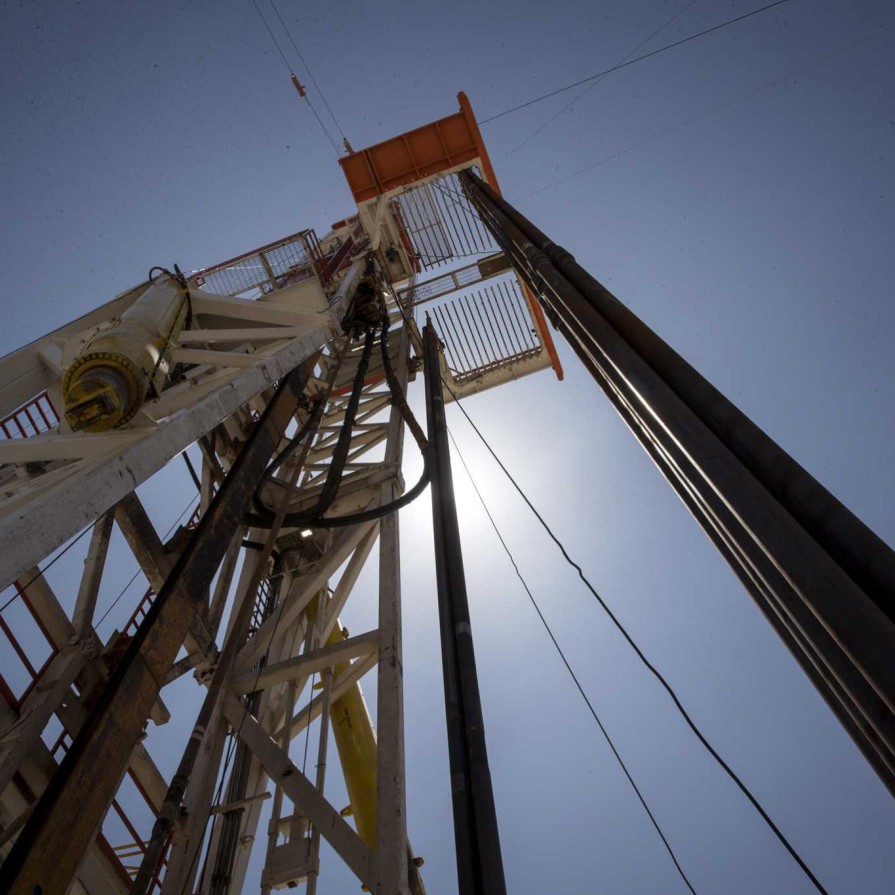
In the midst of global energy market volatility, the US oil and gas industry continues to demonstrate robust recovery with the drilling rig count increasing to a year-high level. According to the latest data released by Baker Hughes on Friday, the total number of active oil and gas rigs in the US has risen to 585, marking an increase of 44 rigs compared to the same period last year.
This surge in drilling activity comes as the United States solidifies its position as a global energy powerhouse, with crude oil production reaching unprecedented levels despite ongoing market uncertainties. The industry's cautious yet determined approach to expansion reflects a strategic balance between capital discipline and market opportunity.
Detailed Analysis of US Rig Count Data
Baker Hughes' comprehensive report reveals that the number of active oil rigs remained steady at 445 units, representing a 21-rig increase from the same time last year. Meanwhile, gas rigs remained unchanged at 126 units, which is still 18 rigs higher than the comparable period in the previous year.
The growth in the overall rig count is primarily attributed to the multi-purpose rig segment, which added one unit, bringing the total to 10 active multi-purpose rigs. This diversification in rig utilization reflects the industry's adaptability to varying market conditions and resource types.
Summary Table of US Drilling Rig Activity
| Rig Type | Current Count | Weekly Change | Year-over-Year Change |
|---|---|---|---|
| Oil Rigs | 445 | 0 | +21 |
| Gas Rigs | 126 | 0 | +18 |
| Multi-purpose Rigs | 10 | +1 | - |
| Total Rigs | 581 | +1 | +44 |
US Crude Oil Production Continues Upward Trajectory
According to data from the US Energy Information Administration (EIA), American crude oil production in the week ending July 3 rose to 13.86 million barrels per day (bpd). This figure represents an increase from the previous week's 13.81 million bpd and stands 475,000 bpd higher than the same period last year.
This production growth demonstrates the resilience of the US oil industry despite ongoing challenges in logistics and global demand fluctuations. The current production levels mark the highest in US history, surpassing the previous record set in 2019.
Well Completion Activity Shows Acceleration
Primary Vision's report indicates that the Frac Spread Count—estimated to represent the number of crews completing wells—increased by 5 units in the week ending July 2, reaching a total of 205 crews. This acceleration in completion activities signals positive momentum for future oil production volumes.
The increased focus on well completion suggests that drilling companies are transitioning from exploration to production phase, which typically leads to increased output in the coming months. This strategic shift indicates confidence in sustained market conditions that justify the investment in completing and bringing new wells online.
Regional Variations in Drilling Activity
The distribution of drilling activity across the United States remains uneven, reflecting regional differences in resource accessibility, infrastructure, and economic viability.
In the Permian Basin—the nation's largest oil-producing region—the rig count decreased by 5 units, settling at 256 rigs. Despite this weekly decline, the count remains 9 rigs lower than the same period last year, suggesting a more measured approach to development in this mature play.
Conversely, the Eagle Ford region experienced a notable increase of 3 rigs, bringing its total to 47 active rigs—6 units higher than the same time last year. This growth indicates a strategic shift in investment from some regions to more economically viable areas within the broader US oil landscape.
Regional Comparison of Drilling Activity
| Geographic Region | Current Rig Count | Weekly Change | Year-over-Year Change |
|---|---|---|---|
| Permian Basin | 256 | -5 | -9 |
| Eagle Ford | 47 | +3 | +6 |
Global Oil Prices Experience Volatility
During Friday's trading session, global oil prices exhibited notable fluctuations. Brent crude traded at $75.72 per barrel, reflecting a 0.76% decline from the previous session. Despite this decrease, Brent remains approximately $4 per barrel higher than the same time last week.
Meanwhile, West Texas Intermediate (WTI) crude traded at $71.26 per barrel, experiencing a 1.14% decline during the session. The price differential between these two benchmark crude varieties continues to attract significant attention from market analysts and industry participants.
The price volatility reflects ongoing concerns about global demand recovery, OPEC+ production policies, and the pace of economic recovery in key consuming regions. This market uncertainty has contributed to the cautious approach adopted by many US producers despite the increase in drilling activity.
Industry Trends and Strategic Implications
The combination of rising rig counts and increased oil production in the context of fluctuating oil prices demonstrates the adaptability of the US oil and gas industry to changing market conditions. American producers are leveraging relatively favorable oil prices to enhance production, particularly in regions with favorable economics.
This strategic expansion raises important questions about global supply-demand balance. While global demand continues to recover from the COVID-19 pandemic, increased production from the US and other nations could exert downward pressure on oil prices over the longer term.
The industry also faces challenges related to the energy transition, as many countries and companies commit to reducing carbon emissions. The increase in crude oil production may slow the transition to cleaner energy sources, yet it also acknowledges the continued critical role of oil in the global energy mix for the foreseeable future.
Key Industry Challenges and Opportunities
- Market Volatility: Producers must navigate fluctuating prices while maintaining investment discipline
- Regional Shifts: Activity is concentrating in areas with the best economic returns
- Environmental Pressures: Balancing production growth with carbon reduction commitments
- Infrastructure Constraints: Pipeline and transportation limitations in key producing regions
- Technology Advancements: Improved drilling and completion technologies enhancing efficiency
Future Outlook
The latest data from Baker Hughes and EIA indicates that the US oil and gas industry is experiencing a strong recovery with increasing rig counts and record production levels. In the context of volatile oil prices, American producers are seizing opportunities to increase output, particularly in economically efficient regions.
However, this production growth also raises questions about the future of the industry in the context of energy transition and carbon emission reduction pressures. The development of the US oil sector in the coming months will depend on multiple factors, including oil prices, government energy policies, and the pace of transition to cleaner energy sources.
As the industry continues to evolve, producers are likely to maintain a balanced approach—capitalizing on current market opportunities while positioning themselves for the energy landscape of the future. This dual focus on short-term production optimization and long-term strategic positioning will define the next phase of the US oil and gas industry's development.
#OilAndGas #USProduction #DrillingRigs #EnergyMarket #BakerHughes #EIA