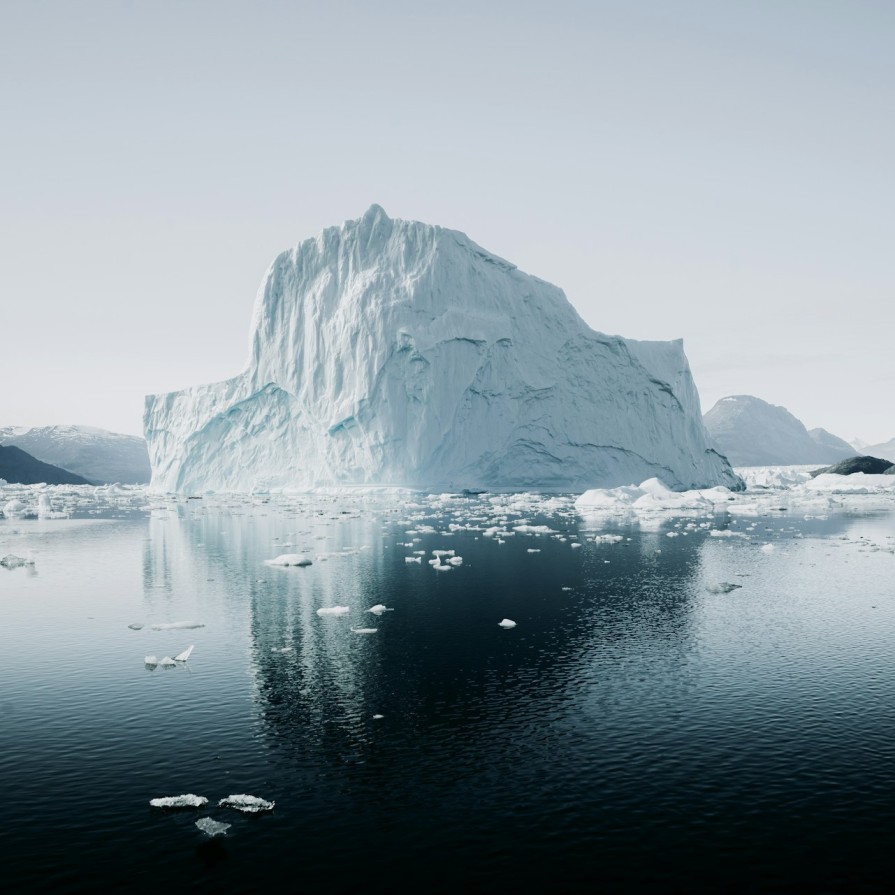
IEA Chief Urges EU to Reconsider Arctic Oil Drilling Ban as Norway Pushes for Energy Security
In a significant development in European energy policy, Fatih Birol, Executive Director of the International Energy Agency (IEA), has called on the European Union to reconsider its current ban on oil drilling activities in the Arctic region, where Norway is actively pushing for exploration if permitted. The prohibition, implemented in 2021 as part of the EU's climate commitments and environmental concerns, has come under renewed scrutiny amid global energy security challenges.
Background on the EU's Arctic Drilling Ban
The European Union's prohibition specifically targets drilling activities in the northern areas of the Barents Sea, a region estimated to contain substantial portions of Norway's remaining untapped oil and gas reserves. Despite Norway not being an EU member state, the country has emerged as Europe's largest supplier of natural gas, making its energy policies particularly relevant to European energy security. In recent months, Norwegian officials have intensified their lobbying efforts in Brussels, advocating for the EU to reconsider its opposition to Arctic drilling operations.
The 2021 ban represented a significant step in the EU's commitment to climate action, aligning with broader objectives to reduce dependency on fossil fuels and transition toward renewable energy sources. However, the geopolitical landscape has evolved considerably since then, creating new imperatives for energy security that are now challenging the policy's foundations.
Global Context: Shifting Energy Priorities
The current push for reconsideration of the Arctic drilling ban comes against a backdrop of unprecedented global energy disruptions. The ongoing geopolitical tensions, particularly the conflict involving Iran and its potential impact on oil supply routes, have highlighted vulnerabilities in global energy markets. These developments have strengthened Norway's argument that Europe needs diversified, reliable energy sources from politically stable regions.
During a recent meeting with Norwegian Finance Minister Jens Stoltenberg in Brussels, Birol emphasized the critical importance of Arctic energy resources in the current global context. "The world needs every drop of oil from Norway," Birol stated, underlining the strategic significance of Norwegian resources amid ongoing supply chain challenges and market volatility.
| Key Information | Details |
|---|---|
| Year of Ban Implementation | 2021 |
| Restricted Area | Northern regions of the Barents Sea |
| Norway's Status | Largest natural gas supplier to the EU |
| Primary Motivation for Reconsideration | Geopolitical tensions and oil supply disruptions |
Norway's Position: Economic and Strategic Imperatives
Norwegian officials have long maintained that the arbitrary geographical boundary defining the Arctic should not serve as an absolute limitation for oil and gas exploration activities. The country's substantial expertise in offshore drilling, coupled with its advanced environmental safety protocols, forms the foundation of its argument that responsible development in the Arctic is both technically feasible and environmentally manageable.
"Of course there are environmental concerns that we must take into consideration," Minister Stoltenberg acknowledged during discussions. "But to say there should be no oil and gas exploration in the Arctic is not a reasonable position for Norway." This perspective reflects Norway's balancing act between environmental stewardship and economic interests, particularly as the country navigates the global energy transition.
Economic Considerations for Norway
For Norway, the Arctic region represents significant economic potential. The Barents Sea is believed to contain substantial hydrocarbon resources that could contribute to Norway's economy for decades. The government has emphasized its commitment to developing these resources using the most advanced technologies and environmental safeguards, arguing that responsible development can coexist with climate goals.
The economic stakes are particularly high as Norway seeks to maintain its position as a leading energy supplier while also investing in renewable energy technologies. The potential revenues from Arctic drilling could provide substantial funding for the country's energy transition initiatives, creating a more diversified and sustainable energy portfolio.
Environmental Concerns and Stakeholder Positions
Despite Norway's arguments, environmental groups and many European investors remain firmly opposed to lifting the Arctic drilling ban. They cite the fragile Arctic ecosystem, the potential impact on climate change, and the risks associated with operating in such a remote and challenging environment as primary concerns.
European investors have specifically called on the European Commission to maintain the prohibition, warning that lifting it could set a concerning precedent for environmental protection globally. The financial sector's growing emphasis on Environmental, Social, and Governance (ESG) criteria has further strengthened this position, with many institutional investors increasingly divesting from fossil fuel projects.
Scientific Perspectives on Arctic Drilling
Scientific research has consistently highlighted the unique vulnerability of Arctic ecosystems to industrial activities. The region's extreme climate conditions, limited infrastructure, and ecological sensitivity make oil and gas operations particularly risky. Any potential oil spill in Arctic waters could have devastating and long-lasting consequences for marine life and indigenous communities.
Furthermore, drilling in the Arctic would directly contradict global efforts to limit greenhouse gas emissions and keep global temperature rise below 1.5°C, as outlined in the Paris Agreement. The carbon intensity of Arctic operations, combined with the potential for methane leaks, presents significant challenges for climate mitigation efforts.
Geopolitical Implications and Energy Security
The debate over Arctic drilling occurs within a complex geopolitical landscape where energy security has regained prominence as a critical policy concern. The EU's dependency on imported energy, particularly following the reduction of Russian gas supplies, has created new imperatives for diversifying energy sources and strengthening domestic production capabilities.
Norway's emergence as Europe's primary gas supplier has significantly enhanced its geopolitical influence within European energy policy discussions. The country's stable political system, advanced technological capabilities, and commitment to market-based pricing have made it an attractive alternative to less reliable suppliers.
Strategic Considerations for the EU
For the European Union, the decision on Arctic drilling involves balancing multiple competing priorities. On one hand, there are legitimate concerns about energy security, economic competitiveness, and the reliability of supply chains. On the other hand, the EU has positioned itself as a global leader in climate action, with binding commitments to reduce emissions and transition toward a sustainable energy future.
The IEA's intervention adds significant weight to the debate, as the agency serves as a key advisor to many governments on energy policy matters. Birol's emphasis on Norway's importance to European energy security reflects a pragmatic assessment of current global energy realities while acknowledging the long-term need for decarbonization.
Future Scenarios and Policy Implications
The outcome of this debate could have far-reaching implications for European energy policy and global climate efforts. Several potential scenarios are emerging:
- Continuation of the Ban: The EU maintains its prohibition on Arctic drilling, reinforcing its climate leadership while potentially increasing reliance on other energy sources.
- Limited Exceptions: The EU allows drilling in specific areas with enhanced environmental safeguards, creating a compromise between energy security and environmental protection.
- Complete Reversal: The EU lifts the ban entirely, prioritizing energy security over environmental concerns, which could set a precedent for other regions.
Each scenario carries distinct economic, environmental, and geopolitical consequences that will shape Europe's energy landscape for decades to come. The decision will also influence global perceptions of the EU's commitment to its climate goals and its ability to balance competing policy priorities.
Broader Industry Impact
The resolution of this debate will send signals throughout the global energy industry, affecting investment decisions, technological development, and market strategies. Energy companies have already begun positioning themselves based on anticipated policy outcomes, with some increasing investments in Arctic technologies while others are redirecting resources toward renewable energy projects.
The financial sector's response will be particularly telling, as institutional investors increasingly factor climate risks into their decision-making processes. The outcome of this debate could accelerate or slow the ongoing transition away from fossil fuels, depending on which policy direction prevails.
Conclusion: Navigating the Energy Transition
The issue of Arctic oil drilling has emerged as a critical focal point in European energy policy, representing a microcosm of the broader challenges facing the global energy transition. The debate encapsulates the tension between immediate energy security needs and long-term climate imperatives, highlighting the complex policy choices that governments must navigate in an increasingly volatile geopolitical environment.
As the European Union considers its position, the decision will reflect not only its assessment of current energy security challenges but also its commitment to leading the global transition toward sustainable energy. The involvement of the IEA underscores the significance of this issue, suggesting that the outcome could influence energy policy far beyond Europe's borders.
Ultimately, the resolution of this debate will contribute to shaping the future of global energy systems, determining the pace and trajectory of the transition away from fossil fuels while ensuring energy security for millions of people. In this context, the Arctic drilling ban represents more than a regional policy issue—it embodies one of the most critical challenges of our time: balancing human development with planetary boundaries.
#EnergySecurity #ArcticDrilling #EuropeanEnergyPolicy #ClimateAction #NorwayEnergy #IEA #GlobalEnergyTransition