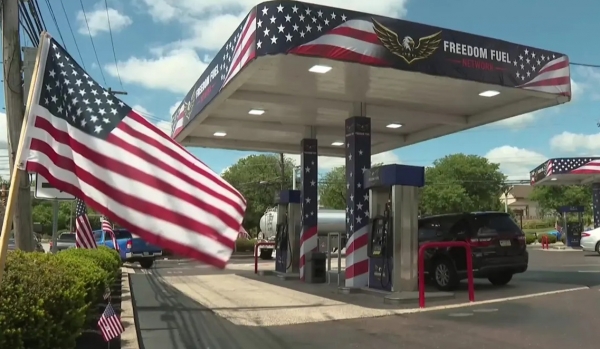
Trump Unveils Low-Cost Fuel Program to Alleviate Financial Burden on American Citizens
In the midst of escalating fuel prices that continue to climb across the nation, former President Donald Trump has announced a comprehensive initiative designed to provide financial relief to American consumers. The program promises to help drivers reduce fuel costs while simultaneously creating new opportunities within the energy sector. This announcement comes at a critical time when households are increasingly strained by economic pressures and inflationary impacts on daily necessities.
Comprehensive Overview of the Fuel Program
The newly unveiled low-cost fuel program is strategically designed to offer Americans more economical alternatives when purchasing gasoline and other fuel products. The initiative represents a multi-faceted approach to addressing both immediate consumer needs and long-term energy strategy. Below are the key components of this ambitious program:
- Preferential Fuel Pricing: The program will establish discounted fuel rates in designated geographic regions, making essential transportation more affordable for participating consumers.
- Driver Support Initiatives: Qualified drivers will receive financial incentives and support benefits upon enrollment in the program, including potential rebates and loyalty rewards.
- Domestic Energy Production Boost: A significant aspect of the program involves incentivizing increased domestic energy production to reduce dependency on foreign imports and stabilize supply chains.
- Infrastructure Investment: The initiative includes provisions for modernizing fuel distribution infrastructure to improve efficiency and reduce operational costs.
Program Objectives and Strategic Goals
The primary objective of this fuel program is to mitigate the financial pressure on consumers, particularly as inflation continues to affect household budgets. Beyond immediate cost savings, the program aims to encourage more sustainable energy consumption patterns while supporting American energy independence. The strategic goals align with both economic recovery and environmental considerations.
Key benefits that stakeholders can expect from the implementation of this program include:
| Benefit Category | Specific Details and Impact |
|---|---|
| Cost Reduction | Lower fuel prices directly translate to reduced transportation expenses for families, potentially saving households hundreds of dollars annually. |
| Production Enhancement | Increased domestic energy production will create jobs, stimulate economic growth, and reduce vulnerability to global market fluctuations. |
| Clean Energy Promotion |
Implementation Framework and Timeline
The program will be implemented in phases, with initial pilot programs expected to launch in the coming months. The rollout strategy prioritizes regions most affected by high fuel prices and economic hardship. Eligibility criteria will be established based on income thresholds, geographic location, and vehicle type to ensure the program reaches those most in need.
Funding for the initiative will come from a combination of public and private sources, including:
- Federal energy subsidies and grants
- Partnerships with major fuel retailers and distributors
- Private sector investments in energy infrastructure
- Revenue generated from increased domestic energy production
Community and Industry Response
The announcement has generated significant attention across various sectors of American society. Many citizens have expressed appreciation for Trump's efforts to address the pressing issue of fuel affordability, particularly among middle and working-class families who are disproportionately affected by rising energy costs.
Industry stakeholders have offered mixed reactions to the program:
- Some fuel retailers have expressed interest in participating, recognizing the potential for increased customer loyalty and volume.
- Environmental groups have called for greater transparency regarding the program's environmental impact and urged stronger commitments to renewable energy integration.
- Economic analysts have questioned the long-term sustainability of price controls and their potential effects on market dynamics.
"While the immediate relief for consumers is welcome, we must ensure that this program doesn't inadvertently hinder the transition to cleaner energy sources," commented one energy policy expert who requested anonymity.
Broader Economic Implications
The introduction of this low-cost fuel program comes amid broader economic challenges facing the nation, including persistent inflation concerns and supply chain disruptions. By targeting fuel costs specifically, the program aims to address a critical component of household expenses while simultaneously stimulating economic activity across multiple sectors.
Economists suggest that reduced fuel costs could have several positive ripple effects:
- Increased disposable income for families, potentially boosting consumer spending in other sectors
- Reduced transportation costs for businesses, which may lead to lower prices for goods and services
- Stabilized inflation rates by addressing one of the key contributors to rising consumer prices
Environmental Considerations and Future Outlook
While the program primarily focuses on immediate cost relief, it also incorporates provisions for environmental sustainability. The initiative includes funding for research into alternative fuel sources and technologies that could reduce the nation's carbon footprint over time.
Environmental advocates have urged program administrators to establish clear metrics for evaluating the environmental impact of the initiative and to ensure that short-term economic benefits don't come at the expense of long-term ecological sustainability.
Conclusion
With the unveiling of this low-cost fuel program, former President Trump demonstrates his continued focus on economic relief for American citizens. The initiative represents an attempt to address one of the most pressing issues facing households today while positioning the United States for greater energy independence in the future.
The coming months will be critical in monitoring the program's implementation, measuring its effectiveness in reducing fuel costs, and evaluating its broader impact on the economy and energy landscape. As the program evolves, its success will likely depend on careful balancing of immediate consumer needs with long-term strategic goals for a sustainable energy future.