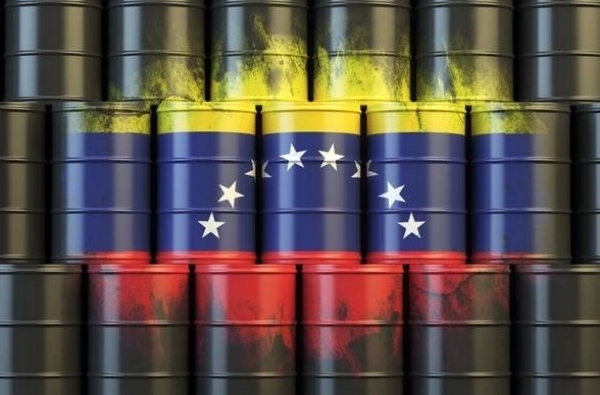
Venezuela Enacts Historic Oil Regulations
The interim government of Venezuela has taken a historic step in the oil sector by implementing new regulations that detail legislative reforms approved earlier. These measures are expected to promote market opening and attract domestic and foreign investment capital, marking a new chapter in the South American nation's oil industry.
Historical Context and Challenges
Venezuela, home to the world's largest oil reserves, has faced significant economic challenges in recent years. International sanctions, declining oil production, and resource shortages have rendered the state-owned oil industry - PDVSA - inefficient and struggling. Against this backdrop, the interim Venezuelan government, led by Juan Guaidó, has recognized the urgent need to reform the oil sector to restore the country's economy. The implementation of these new regulations is part of a broader effort to attract investment and modernize the national energy industry.
For decades, Venezuela's oil industry has been characterized by state control through the monopoly of PDVSA. The company, once a model of national success, has seen its production capacity decline from over 3 million barrels per day in the late 1990s to less than 1 million barrels per day in recent years. This decline has been attributed to various factors including lack of investment, technical difficulties, international sanctions, and brain drain as skilled professionals left the country.
Main Content of the New Regulations
The recently enacted regulations can be summarized through the following key points:
- Opening the oil market to private domestic and international companies
- Establishing a clear legal framework for oil contracts
- Facilitating oil exploration and extraction activities
- Creating transparent mechanisms for risk and benefit sharing
- Simplifying administrative procedures for investors
Details on Benefit-Sharing Mechanisms
Among the most notable aspects of the new regulations is the benefit-sharing mechanism between the state and private investors. Under this framework, private companies will be permitted to retain a certain percentage of extracted oil volumes, with specific rates to be determined based on project scale and geological conditions.
Additionally, the regulations allow foreign companies to participate in oil exploration and extraction through various contract types, including Production Sharing Agreements (PSAs), service contracts, and joint ventures. This represents a significant departure from the previous model where foreign participation was severely limited.
The regulations also establish a new regulatory body to oversee the oil sector, which will be responsible for awarding contracts, ensuring compliance with environmental standards, and collecting revenues for the state.
Professional Analysis
The implementation of these regulations is considered a historic move in Venezuela's oil industry. Previously, the sector was almost entirely state-controlled through the PDVSA monopoly.
According to industry analysts, these reforms could bring several benefits:
- Increased Oil Production: Participation of private companies with advanced technology and experience could help increase Venezuela's oil production, which has declined significantly in recent years.
Foreign Investment Attraction: A clear legal framework will help attract investors from countries such as the United States, Canada, China, and European nations.- Job Creation: An expanded oil industry will create employment opportunities for Venezuelan workers.
- Increased Budget Revenue: Increased oil production and participation of private companies will help boost state budget revenues.
Challenges and Risks
However, experts also point out potential challenges and risks:
- Political Stability: The ongoing political instability in Venezuela remains a significant barrier for investors.
International Sanctions: Existing international sanctions could still impact the ability to attract investment and operate for foreign companies.- Legal Framework Implementation: The effective implementation of the new regulations and building of an efficient legal institution remains a major challenge.
- PDVSA Reaction: The reaction of PDVSA workers and leadership to market opening remains unclear and could potentially lead to resistance.
Market Reactions
The implementation of the new regulations has received mixed reactions from the market:
- International Energy Companies: Many major energy companies have expressed interest in investment opportunities in Venezuela but remain cautious due to the political situation and sanctions.
Market Analysts: Market analysts view this move positively but remain skeptical about its practical success potential.- International Organizations: Organizations like the IMF and World Bank welcome the reform efforts but call for additional measures to ensure transparency and combat corruption.
Impact on the Global Oil Industry
Venezuela's oil market opening could have a significant impact on the global oil industry:
| Factor | Potential Impact |
|---|---|
| Global Oil Supply | Additional increase, especially if Venezuelan production is restored |
| Oil Prices | Slight decrease due to increased supply |
| Competition | Increased among international oil companies |
| Technology Transfer | Transfer of advanced oil extraction technologies |
Future Outlook
The future outlook for Venezuela's oil industry depends on multiple factors:
- Political Situation: Political stability is a key factor to attract investment and ensure sustainable development.
Implementation Effectiveness: The effectiveness of implementing the new regulations will determine the success of the reforms.- International Response: The lifting or easing of international sanctions will be crucial for the development of Venezuela's oil industry.
Infrastructure Investment: Significant investment in oil infrastructure will be needed to restore production levels.
Conclusion
The implementation of new oil regulations by Venezuela marks an important step in the country's economic reform efforts. Despite numerous challenges and risks, this move opens up significant opportunities to restore the oil industry - the primary source of Venezuela's livelihood for decades.
Only time will tell whether these reforms will succeed in attracting investment, increasing production, and improving Venezuela's economy. However, Venezuela's decision to open its oil market will undoubtedly be one of the most significant events shaping the global oil industry in the coming years.
The success of these reforms could potentially transform Venezuela from a country with untapped potential to a major player in the global energy market once again, benefiting both the Venezuelan people and the global energy landscape.