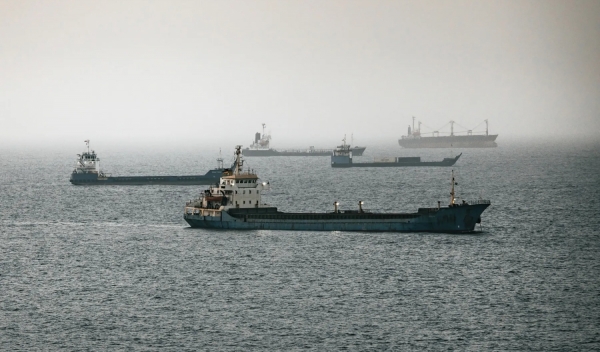
Middle East Hotspot July 13: Qatar Calls for Temporary Ship Operations Halt
In the context of escalating tensions in the Persian Gulf region, Qatar has officially called on commercial and tourist vessels to temporarily cease operations in its territorial waters. This decision comes as maritime security in the area has become significantly unstable, threatening global energy security.
Escalating Tensions Background
The Middle East, particularly the Persian Gulf region, continues to be a hotspot with complex developments. Countries in the region are facing significant challenges regarding maritime security and energy security - factors vital to the global economy.
Qatar, with its strategic location in the Persian Gulf and role as one of the world's leading natural gas producers, has had to enhance security measures after receiving information about potential threats to maritime operations.
Details of the Operations Halt Order
According to an announcement from the Qatar Maritime Authority, all vessels operating within Qatar's exclusive economic zone are required to temporarily halt all movement and anchoring activities for 24 hours, starting from 00:00 on July 13th local time.
This order applies to:
- All commercial vessels
- Cruise ships and recreational vessels
- Fishing boats and fishing vessels
- Military vessels and coast guard ships
The Qatar Maritime Authority stated that the order was issued to "implement necessary preventive measures to ensure the safety of vessels and crews." The decision was made after intelligence detected suspicious activities in the eastern sea area of Qatar.
Impact on the Energy Market
As one of the world's leading exporters of liquefied natural gas (LNG), any disruption in Qatar could significantly impact the global energy market.
Qatar supplies approximately 20% of the world's commercial LNG, with Japan, South Korea, and China being the main import markets. Any disruption in Qatar's export operations could lead to:
- Increased LNG prices globally
- Supply shortages in dependent markets
- Disruption in the energy supply chain
| Indicator | Pre-Operations Halt Situation | Post-Operations Halt Forecast |
|---|---|---|
| LNG Price (USD/MMBtu) | 12.5 | 13.8 - 14.2 |
| Qatar's Exports (million tons/year) | 77 | 15-20% decrease |
| Global Inventory (days) | 28 | 25-26 |
International Community Reaction
The United Nations has expressed concern about the situation in the Persian Gulf, calling on all parties to exercise restraint and seek peaceful solutions to disputes. UN spokesperson Stephane Dujarric stated: "We are closely monitoring the situation in the Persian Gulf and call on countries in the region to maintain dialogue to reduce tensions."
The US State Department reported that it is closely monitoring the situation and has advised American citizens to avoid travel to the Persian Gulf region at this time. "We advise US citizens in the Persian Gulf region to heighten their vigilance and follow security guidelines," the State Department statement said.
In contrast, Iran announced it would enhance maritime security in its exclusive economic zone, while condemning "provocative" actions from other countries in the region. An Iranian Foreign Ministry spokesperson stated: "We will not stand idly by by any threats to our maritime security."
History of Tensions in the Region
The Persian Gulf region has witnessed many maritime crises in recent years. Particularly noteworthy was the 2019 attack on oil tankers, when Saudi Arabian and Emirati tankers were attacked in waters off Oman. This incident led to heightened tensions between Iran and Arab states.
In 2020, an Iranian nuclear facility was also attacked, leading to heightened tensions between Iran and Israel. These confrontations often occur as proxy wars, with attacks on energy infrastructure and commercial vessels.
Challenges for Maritime Security
Maritime security in the Persian Gulf region faces numerous challenges:
- Complex political situations and traditional enmities
- Presence of foreign military forces
- Activities of rebel and terrorist groups in the region
- Competition for energy resources
Expectations and Outlook
Analysts from the International Energy Research Institute believe that although the current situation is tense, the likelihood of large-scale conflict remains limited.
"Countries in the region are all aware that large-scale conflict would cause damage to all parties, especially economically," according to Dr. Ahmed Hassan, a Middle East energy expert.
Rating agency Moody's stated that the current situation may put short-term pressure on the energy market, but long-term effects will depend on political developments in the region. "We forecast LNG prices could increase by 10-15% in the short term, but will stabilize again if the situation is brought under control," Moody's report noted.
Conclusion
Qatar's decision to call for temporary cessation of ship operations reflects the severity of the maritime security situation in the Persian Gulf region. While awaiting further developments, the international community hopes that relevant parties will exercise restraint and seek diplomatic solutions to reduce escalation.
For the global energy market, this situation highlights the fragility of the energy supply chain and the importance of maritime security on strategic sea routes. With Qatar being a crucial link in the global LNG supply chain, any disruption in this country could have significant economic consequences.
PetroTimes will continue to provide the latest updates on the situation in the Middle East hotspot.