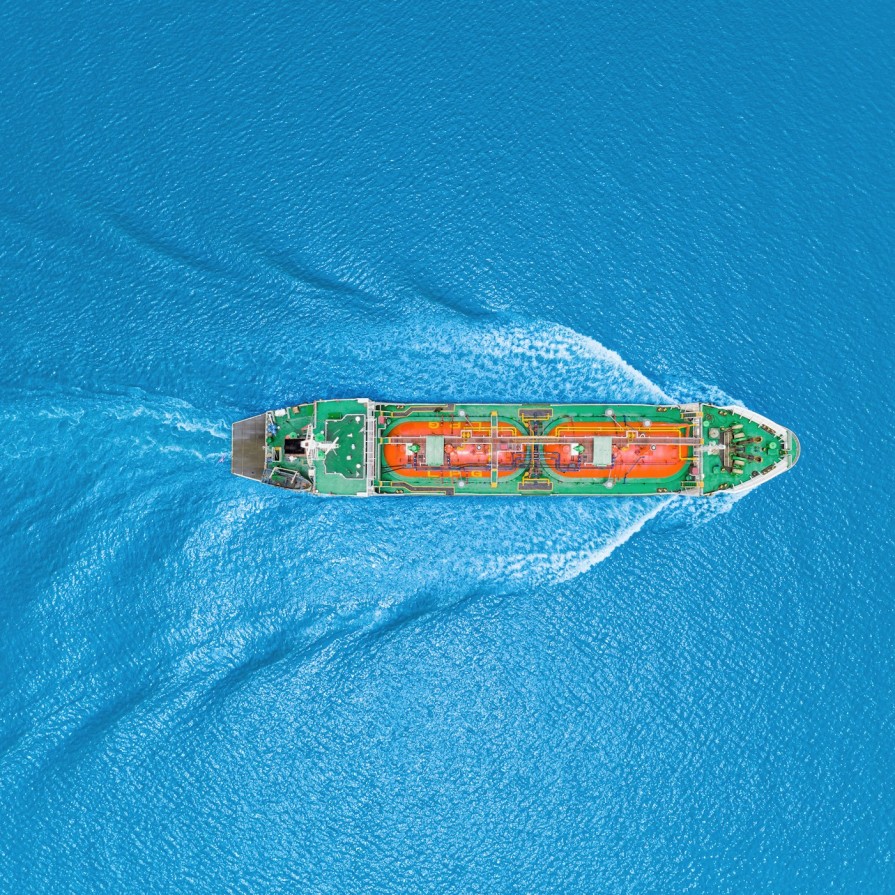
Escalating Crisis in the Strait of Hormuz: IMO Advises Against Maritime Transit
The Strait of Hormuz has rapidly emerged as one of the world's most perilous maritime routes as security conditions continue to deteriorate. Mr. Arsenio Dominguez, Secretary-General of the International Maritime Organization (IMO), has issued a stark warning, advising shipping companies against risking transit through this vital waterway due to the current volatile security situation.
Current Situation Overview
Over the past several weeks, maritime security in the Strait of Hormuz has deteriorated to extremely dangerous levels. After three weeks of stable increases in oil tanker and container ship traffic that provided temporary relief to oil markets and stock exchanges, the situation abruptly worsened last weekend.
Tensions continued to escalate this week as Iran launched attacks on multiple merchant vessels, including two supertankers from the UAE, while the United States conducted three separate attacks on Iran and simultaneously reimposed sanctions to block Iranian oil exports.
The IMO's Official Stance
Secretary-General of the IMO Arsenio Dominguez addressed the situation during an interview on Bloomberg Radio:
"I will continue to convey the message about compliance with international law, calling on countries to do the same, and for companies - particularly in the current context of instability - not to take the risk of transiting through the Strait of Hormuz."
The IMO Council affirmed this week that "transit through the Strait of Hormuz should be free of tolls and fees under international law, including IMO conventions", in response to U.S. President Donald Trump's proposal to impose a 20% "protection" fee on goods passing through the strait. However, Trump quickly abandoned this idea less than 24 hours after proposing it on his Truth Social platform.
Security Threat Assessment
The Joint Maritime Information Centre (JMIC) confirmed on Tuesday that the regional maritime security threat level in the Strait of Hormuz remains at "SEVERE", the level they elevated to the following week after the first signs of the ceasefire collapse emerged.
JMIC stated:
"The regional maritime security threat level remains SEVERE with the potential for further deliberate hostile activity in the current environment. Mariners should expect continuous naval presence, enhanced warning and surveillance by the Islamic Revolutionary Guard Corps Navy (IRGCN) along shipping lanes, and possibly Automatic Identification System (AIS) equipped vessels being diverted to the Iran-controlled northern route. Enhanced force protection measures, increased VHF warnings, and congestion near anchorage areas should also be anticipated."
Impact on Energy Markets and Shipping
The instability in the Strait of Hormuz has profound implications for global energy markets. This strait represents the world's most critical oil transit route, with approximately 20-30% of globally traded oil passing through it. Shipping companies being forced to avoid this route could lead to:
- Increased shipping costs
- Extended transit times
- Reduced global oil supply
- Rising oil prices
The following table compares the situation before and after the escalation of tensions:
| Time Period | Daily Tanker Traffic | Daily Container Ship Traffic | Risk Level |
|---|---|---|---|
| Pre-escalation | 15-20 | 8-12 | Moderate |
| Current | 5-8 | 2-4 | High |
Alternative Shipping Routes
To avoid the Strait of Hormuz, shipping companies are considering alternative routes, although these alternatives are typically more expensive and time-consuming:
| Alternative Route | Additional Time | Additional Cost | Oil Transport Capacity |
|---|---|---|---|
| Asia-Red Sea | 5-7 days | 20-30% | 15-20% reduction |
| Asia-Bay of Bengal | 7-10 days | 30-40% | 25-30% reduction |
| Asia-Malacca Strait | 3-5 days | 15-25% | 10-15% reduction |
Responses from Stakeholders
Beyond the United States and Iran, other countries in the region have expressed concerns about the situation. Nations such as China, India, Japan, and European countries all heavily depend on oil passing through the Strait of Hormuz, and instability in the region could severely impact their economies.
Future Outlook
The situation in the Strait of Hormuz remains highly unpredictable. Diplomatic negotiations could help de-escalate tensions, but the risk of further escalation remains present. The IMO and other maritime organizations will continue to monitor the situation and provide updated warnings.
Conclusion
The Strait of Hormuz has become a dangerous hotspot in global maritime affairs. Shipping companies and vessel owners face difficult decisions: either accept the risks of transiting through this strait or seek alternative routes with higher costs and longer transit times. This situation underscores the importance of international law in ensuring maritime security and freedom of navigation.
#StraitOfHormuz #InternationalMaritimeLaw #MaritimeSecurity #Shipping #OilMarket #IMO