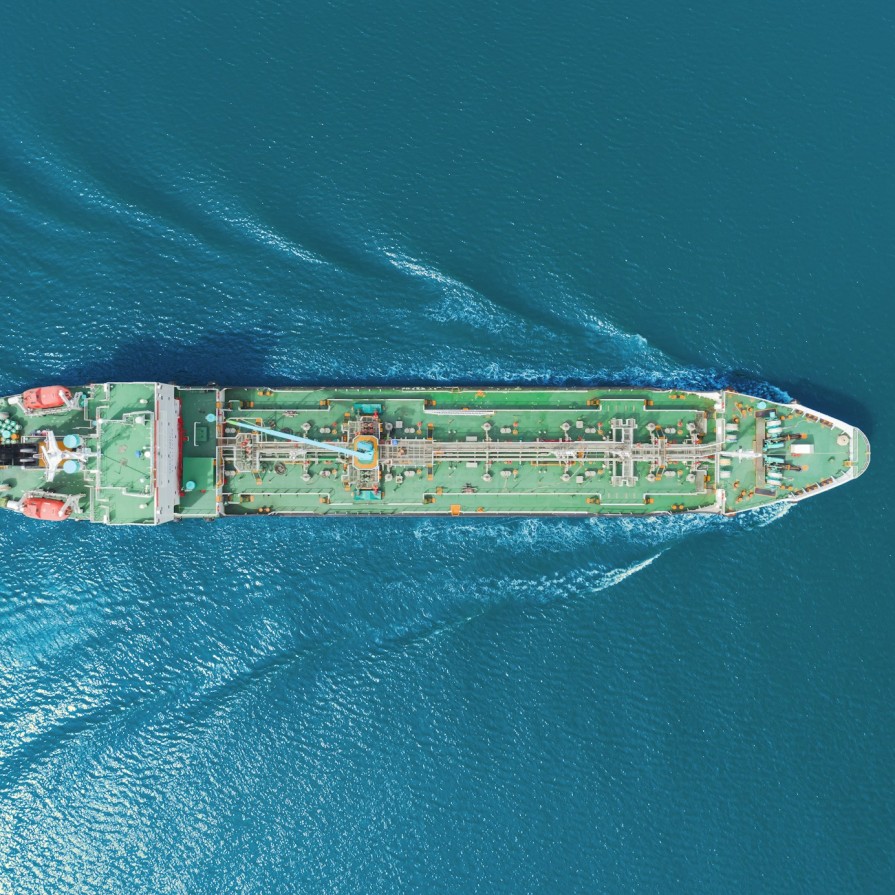
Over 135 Million Barrels of Russian Oil Stuck at Sea Amid Ukraine Conflict
A historic backlog of over 135 million barrels of Russian crude oil is currently stranded at sea, resulting from intensified Ukrainian drone attacks targeting Russian oil refineries. These attacks have significantly hampered Russia's domestic refining capacity, forcing Moscow to dramatically increase export volumes while facing severe logistical challenges and international sanctions.
Impact of Ukrainian Attacks on Refining Infrastructure
High-intensity drone attacks by Ukraine, including recent strikes on Gazprom Neftekhim Salavat and Afipsky facilities, have damaged approximately one-third of Russia's domestic refining capacity. This has reduced the country's processing capability to just 3.91 million barrels per day, marking the lowest level since 2005.
The attacks represent a significant blow to Russia's oil industry, which relies heavily on refineries to process crude oil before export or domestic consumption. With refining capacity severely diminished, Russia has been compelled to find ways to alleviate the accumulating crude oil at its seaports.
Consequences for Export Operations
Moscow is now redirecting larger volumes of crude to international markets despite producing only 8.93 million barrels per day in June—approximately 830,000 barrels below OPEC quotas. However, major export terminals are experiencing severe congestion with limited demand for sanctioned Russian crude oil.
Specific oil grades are facing significant delays: Sokol and Sakhalin Blend are experiencing multi-day delays during transfers from tankers to vessels, while ESPO crude is accumulating near the Kozmino port. This bottleneck reflects both physical limitations and market reluctance to handle Russian oil under current geopolitical conditions.
| Indicator | Value | Status |
|---|---|---|
| Stranded crude oil at sea | 135 million barrels | Record high |
| Domestic refining capacity | 3.91 million barrels/day | Lowest since 2005 |
| Crude oil production (June) | 8.93 million barrels/day | 830,000 barrels/day below OPEC quota |
| Seaborne oil exports | 4.13 million barrels/day | Highest since early 2022 |
Russia's "Shadow Fleet" Emerges as New Challenge
Russia's fleet of "shadow" tankers is now accumulating near Egypt's Mediterranean coast and Indonesia's Riau Islands. Many vessels are concealing their destinations or remaining idle as international buyers increasingly refuse to handle sanctioned cargo under secondary sanctions.
The growing presence of this shadow fleet demonstrates Russia's difficulties in finding markets for its crude oil, particularly after Western nations implemented stringent sanctions. These tankers, often operating with opaque ownership and flag registries, represent an attempt by Russia to circumvent traditional trading channels.
Economic Impact on Russia
Despite high export volumes, Russia's oil revenue is declining due to a combination of factors: lower global oil prices, increasing discounts on Russian Urals crude, and delivery delays. Seaborne Russian oil averaged 4.13 million barrels per day in the four weeks ending June 28—the highest four-week rate since early 2022. However, Russia's four-week crude export revenue decreased by approximately $200 million to $1.68 billion per week as Urals prices fell sharply from their wartime highs.
This revenue decline creates a significant economic paradox: Russia is exporting more oil but earning less, putting additional pressure on its war effort and overall economy. The situation is exacerbated by the high costs associated with operating the shadow fleet and navigating complex sanctions regimes.
Export Market Analysis
According to Bloomberg data, China and India account for approximately 1.8 million barrels per day of identified purchases of Russian oil. Turkey and Syria import about 160,000 and 40,000 barrels per day, respectively. These nations have emerged as key buyers of discounted Russian crude, often purchasing at significant discounts to international benchmarks.
An additional 1.9 million barrels per day are listed as "undetermined destinations" in Bloomberg's tanker tracking data, suggesting that the ultimate buyers remain undisclosed while the cargo is still in transit. This opacity makes it difficult to fully assess Russia's export destinations and the effectiveness of sanctions.
Strategic Implications
The stranded Russian oil represents a strategic challenge for both Moscow and its trading partners. For Ukraine, attacks on Russian oil infrastructure are part of a broader strategy to weaken Russia's economy and its ability to fund the war. These strikes complement other efforts to disrupt Russian logistics and military supply chains.
For Russia, the situation creates a paradox: reduced production but increased exports, leading to port congestion and greater dependence on non-traditional markets like China and India. This shift in trade patterns has long-term implications for global energy markets and may accelerate the development of alternative trading mechanisms that bypass traditional financial systems.
Conclusion
The accumulation of over 135 million barrels of Russian crude oil at sea is a clear indication of the challenges Russia faces in maintaining oil export operations amid the Ukraine conflict. Ukrainian attacks on refining infrastructure have significantly reduced domestic processing capacity, forcing Moscow to seek ways to alleviate the growing crude stockpiles.
However, these efforts face substantial obstacles from international sanctions, buyer reluctance, and the emergence of a struggling shadow fleet. This situation not only creates logistical challenges but also reduces Russia's oil revenue, contributing to increasing economic pressure on the country.
This development continues to reshape global energy markets and may have long-term implications for energy strategies worldwide, particularly against the backdrop of ongoing geopolitical conflict. The stranded oil represents both a current market anomaly and a potential indicator of future shifts in global energy trade patterns.