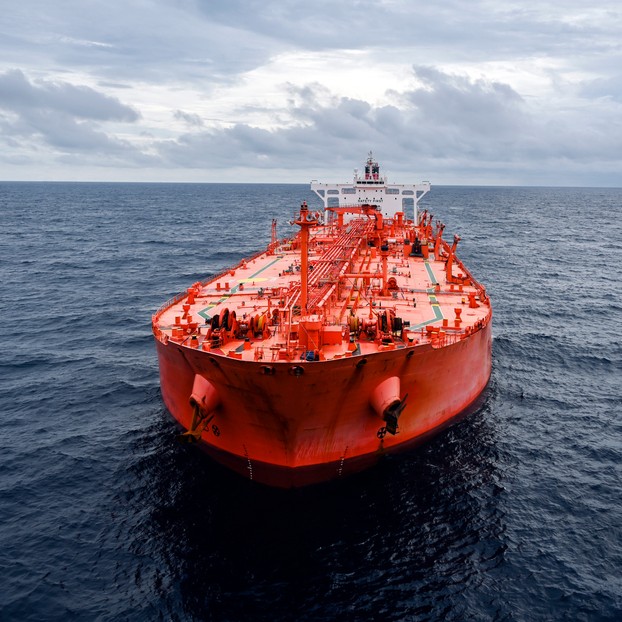
Iran Threatens to Close Bab el-Mandeb, Endangering Global Energy Security
In a significant regional development, Iran has instructed the Houthi movement in Yemen to prepare to close the Bab el-Mandeb strait - a vital maritime route to the Red Sea - if the United States carries out threats to attack Iranian energy infrastructure. According to high-level Iranian sources, the Islamic Republic has discussed this proposition with its Houthi allies, with the rebel force currently awaiting final orders to target maritime traffic in the strategic waterway.
The Iranian Threat and Houthi Involvement
A source close to Houthi forces has confirmed that the group has deployed advanced drone and missile stockpiles on strategic highlands of Yemen overlooking Hodeidah city and the Gulf of Aden. These positions would enable the Houthis to effectively monitor and potentially disrupt maritime traffic through the Bab el-Mandeb strait. Operational decisions regarding the official closure of the strait will be monitored directly by representatives of Iran's Islamic Revolutionary Guard Corps (IRGC) currently present in Yemen.
This development comes amid escalating tensions between Iran and the United States following Washington's threats to retaliate against Iranian attacks on Israeli targets. The potential closure of Bab el-Mandeb would represent a powerful retaliatory measure from Iran, potentially causing significant shockwaves in the global energy market.
Strategic Importance of Bab el-Mandeb
The Bab el-Mandeb strait, connecting the Red Sea with the Gulf of Aden and the Indian Ocean, stands as one of the world's most critical maritime chokepoints. This strategic passage allows approximately 7% of global energy trade to pass through, including substantial volumes of crude oil and petroleum products from the Middle East heading to Europe, North America, and other international markets.
Any disruption at this vital strait would force international shipping companies to reroute vessels around the Cape of Good Hope in Africa, significantly increasing both shipping costs and transit times. This would exacerbate the ongoing global energy crisis, particularly as traffic through the Hormuz Strait - another critical energy transit route - has already been severely affected by regional tensions.
Table: Comparison of Oil Flow Through Bab el-Mandeb and Hormuz Straits
| Strait | Daily Oil Flow (Million Barrels) | Percentage of Global Oil Trade | Impact of Closure |
|---|---|---|---|
| Bab el-Mandeb | ~17-20 | ~7% | Via Cape of Good Hope |
| Hormuz | ~17-21 | ~20-25% | Severe supply shortages |
Impact on Saudi Arabia and Energy Markets
Saudi Arabia faces particular vulnerability due to its heavy reliance on the Red Sea for energy exports. The kingdom has redirected 70% of its energy exports through the Yanbu port on the Red Sea. Following the collapse of a four-year ceasefire with Houthi forces - which included Houthi missile attacks on Saudi Arabia and an Iran-linked group accusing the kingdom of bombing an airport controlled by Houthi - Saudi Arabia has pushed oil exports through Yanbu to near maximum operating capacity.
Saudi Arabia's crude oil exports via Yanbu have averaged over 4 million barrels per day since June, representing a dramatic increase from 973,000 barrels per day during the same period in 2024. This figure continued to rise, reaching 4.7 million barrels per day after the ceasefire officially ended on July 13. The kingdom has become increasingly dependent on the 1,200 km East-West Petroline pipeline to supply the Commercial Port of Yanbu, effectively bypassing the Hormuz Strait.
Table: Saudi Crude Oil Exports Through Yanbu Before and After Ceasefire Collapse
| Period | Average Crude Exports (Million Barrels/Day) | Year-over-Year Increase | Political Context |
|---|---|---|---|
| June 2025 (Before ceasefire ended) | 4.0 | +311% | Ceasefire still in effect |
| July 2025 (After ceasefire ended) | 4.7 | +383% | Conflict escalation |
| July 2024 (Same period previous year) | 0.973 | - | Ceasefire in effect |
Saudi Arabia's Countermeasures
To mitigate the threat of prolonged disruption to multiple maritime shipping lanes, Saudi Arabia is currently evaluating a comprehensive plan to expand its infrastructure on a massive scale. The proposed expansion aims to permanently increase pipeline and terminal capacity in the western part of the kingdom, particularly along the Red Sea coast.
This strategic move indicates that Saudi Arabia is actively preparing for a worst-case scenario where both critical chokepoints - Bab el-Mandeb and Hormuz - could be closed or severely restricted. Such a development would trigger an unprecedented global energy crisis, potentially disrupting supply chains and economies worldwide.
Global Outlook and Implications
If Iran follows through with its threat to close Bab el-Mandeb, it would create an exceptionally complex geopolitical situation that could potentially draw both the United States and its allies into a broader regional conflict. With the Red Sea and the Hormuz Strait already being areas of heightened tension, adding Bab el-Mandeb to the list of threatened maritime routes would significantly exacerbate regional instability.
Economically, any disruption to energy trade through Bab el-Mandeb would immediately impact global oil prices, potentially pushing them to unprecedented levels. Such price shocks would not only affect major energy-consuming economies like China, India, and Europe but would also trigger increased inflation worldwide, further straining global economic recovery efforts.
Industry analysts suggest that in the current context, the international community must pursue diplomatic solutions to de-escalate tensions and prevent the worst-case scenario from materializing. However, with the continuous escalation between Iran and Western powers, the potential for a global energy crisis in the near future remains a genuine concern that could have far-reaching consequences for international security and economic stability.