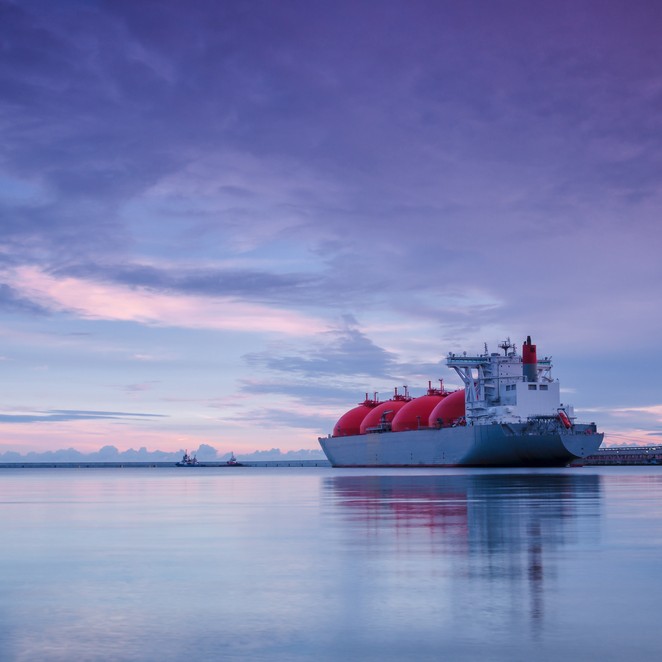
China Diversifies LNG Supply Sources to Reduce Dependence on Strait of Hormuz
In the context of escalating geopolitical tensions in the Middle East, China's massive state-owned liquefied natural gas (LNG) import corporations are conducting strategic negotiations to secure long-term LNG supply from exporters that do not require passage through the Strait of Hormuz. This represents a significant strategic maneuver by the world's largest LNG importing nation to mitigate risks associated with gas shipments originating from the Persian Gulf region.
According to sources familiar with the plans, as reported by Bloomberg last Friday, China is actively seeking to diversify its energy imports amid growing concerns about the security of critical maritime chokepoints. As Qatar's largest LNG customer, China received nearly 30% of its total LNG imports from the Gulf state last year, highlighting the current level of dependency.
Sharp Decline in Imports from Qatar
The recent outbreak of conflict in the Middle East, which has threatened the closure of the Strait of Hormuz and caused damage to regional energy infrastructure, has resulted in a significant reduction in China's LNG imports from Qatar. According to vessel-tracking data compiled by Bloomberg, China imported approximately 100,000 tons of LNG from Qatar in the second quarter of this year, compared to 4.7 million tons during the same period in 2023.
| Period | LNG Imports from Qatar (million tons) | Change (%) |
|---|---|---|
| Q2 2023 | 4.7 | - |
| Q2 2024 | 0.1 | -97.9 |
Strategic Diversification Approach
While several of China's major state-owned energy corporations have signed long-term agreements with Qatar in recent years, exchanging minority stakes in some of the Gulf producer's expansion projects, Beijing is not attempting to cancel these binding contracts. Instead, the focus has shifted to reducing dependency on a single geographic source.
China's largest LNG importers, including PetroChina and Sinopec, are currently negotiating with potential suppliers about securing shipments that would commence before 2030, extending over at least a ten-year period. These negotiations reflect a deliberate strategy to build a more resilient and diversified energy portfolio.
Exploring the Canadian Option
Canada has emerged as one of the most promising alternatives in China's diversification strategy. The North American nation is actively promoting energy exports to Asia as part of its ambition to establish itself as a major energy power, while simultaneously reducing its excessive dependence on the United States market.
| Potential Supplier | Advantages | Challenges |
|---|---|---|
| Canada | ||
| Australia | ||
| Russia |
China's Geopolitical Dilemma: Avoiding U.S. Dependence
China faces a strategic paradox in its quest for LNG supplies that bypass the Strait of Hormuz. While seeking alternatives to Middle Eastern sources, the country remains cautious about developing excessive dependence on U.S. LNG exports, primarily due to uncertainties in trade policies and potential tariff fluctuations under varying political administrations.
Historical trade tensions, particularly during the Trump administration's presidency, have demonstrated how energy imports can become vulnerable to political disputes. This vulnerability makes alternatives like Canada particularly attractive, as the country maintains more stable trade relations with China compared to the United States.
Strategic Implications and Future Outlook
China's initiative to diversify its LNG supply sources reflects a long-term energy security strategy designed to navigate increasingly complex geopolitical landscapes. By reducing dependence on a single region vulnerable to political instability and maritime security risks, China aims to ensure uninterrupted energy supplies for its rapidly growing economy.
The ongoing negotiations with potential suppliers like Canada could potentially reshape global LNG trade dynamics in the coming decades. These efforts may establish new trade routes, reduce concentration on traditional supply chains, and contribute to a more balanced global energy market.
As China continues to expand its LNG import infrastructure and capacity, these diversification efforts will likely intensify. The country's ability to secure reliable, long-term supplies from multiple regions will be crucial in supporting its economic growth objectives while maintaining energy security in an uncertain geopolitical environment.