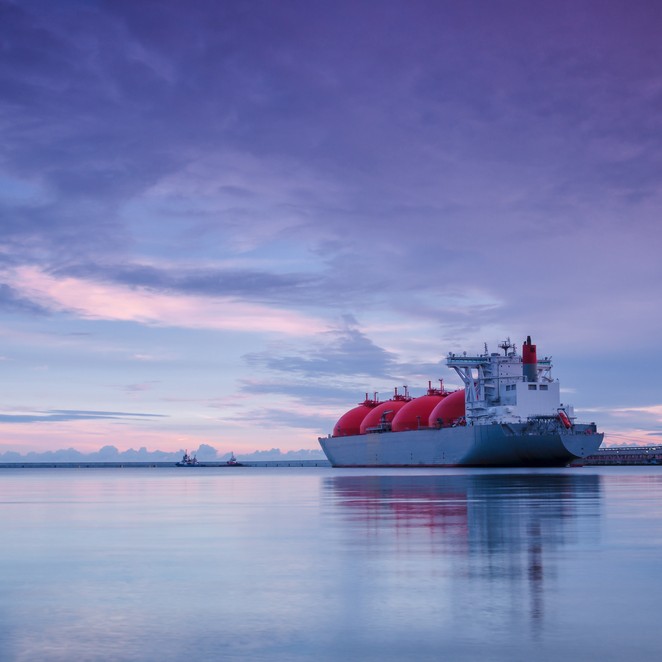
China Diversifies LNG Supply Sources to Reduce Dependence on Strait of Hormuz
In the context of escalating geopolitical tensions in the Middle East, China—the world's largest importer of liquefied natural gas (LNG)—is actively negotiating to secure long-term LNG supplies from exporters that do not require passage through the Strait of Hormuz, according to sources familiar with the plan.
Significant Reduction in Imports from Qatar
China is Qatar's largest LNG customer, importing nearly 30% of Qatar's total LNG exports last year. However, as Middle East conflicts erupted and led to potential closures of the Strait of Hormuz along with damage to Qatar's infrastructure, China's LNG imports have decreased significantly.
Maritime tracking data compiled by Bloomberg shows that in the second quarter of this year, China imported only about 100,000 tons of LNG from Qatar, a sharp decline from the 4.7 million tons imported during the same period last year.
Risk Mitigation Strategy
Although several Chinese state-owned companies have signed long-term contracts with Qatar in recent years in exchange for minority stakes in some of the Gulf producer's expansion projects (some of which have been delayed due to the war), sources familiar with the matter indicate that China is not attempting to cancel binding contracts with Qatar.
Instead, Beijing is exploring options to minimize risk associated with dependence on Persian Gulf supplies. Some of China's largest LNG importers, including PetroChina and Sinopec, are in the process of negotiating with potential exporters for deliveries before 2030 for at least ten years, according to sources.
Canada as a Strategic Option
Canada has been identified as one of the potential alternatives. The North American nation is actively promoting energy exports to Asia in its ambition to become an energy powerhouse and diversify energy exports, reducing excessive dependence on the United States.
The Diversification Challenge
China faces a complex challenge in finding LNG supplies that bypass Hormuz: the country tends to avoid excessive reliance on U.S. LNG exports due to uncertainties regarding trade policies and tariffs under potential future administrations.
| Year | Q2 Imports from Qatar | Change (%) |
|---|---|---|
| 2023 | 4.7 million tons | - |
| 2024 | 100,000 tons | -97.9% |
Geopolitical Implications
China's LNG supply diversification strategy reflects growing concerns about energy security and supply chain stability amid escalating geopolitical tensions in the Middle East. Excessive dependence on a strategically sensitive shipping route like the Strait of Hormuz has become a vulnerability in China's energy strategy.
The Future of the Global LNG Market
China's move could reshape global LNG trade flows, encouraging non-Middle Eastern suppliers such as Canada, Australia, and African nations to strengthen cooperation with China. This could also create new opportunities for LNG producers outside the Persian Gulf region.
Meanwhile, analysts forecast that global LNG demand will continue to rise, particularly in Asia, due to increasing demand for clean energy and countries' efforts to reduce carbon emissions. This further increases the urgency for China to ensure stable and diversified supplies.
Strategic Partnerships and Infrastructure Development
As part of its diversification strategy, China is investing in LNG receiving terminals and infrastructure development across the country. These infrastructure projects are designed to handle increased imports from various sources and enhance the country's energy security posture.
Additionally, Chinese energy companies are pursuing equity stakes in LNG projects worldwide, including in Canada, Russia, and Africa, as part of a long-term strategy to secure reliable supplies outside traditional Middle Eastern routes.
Economic Considerations
The economic implications of China's LNG diversification strategy are significant. By reducing dependence on a single geographic region, China can better manage price volatility and supply disruptions. This approach aligns with China's broader economic strategy of building resilient supply chains across multiple sectors.
Furthermore, diversifying LNG sources could provide China with greater leverage in international energy markets, potentially influencing global LNG pricing dynamics and reducing the market power of traditional suppliers in the Middle East.
Environmental and Energy Transition Goals
China's push for diversified LNG imports also aligns with its environmental and energy transition objectives. As the world's largest emitter of greenhouse gases, China is gradually transitioning from coal to cleaner energy sources like natural gas to reduce carbon emissions while maintaining economic growth.
By securing diverse LNG supplies, China can better support its industrial and residential sectors with cleaner energy, contributing to its climate commitments under international agreements.
Conclusion
China's LNG supply diversification strategy represents not merely a response to short-term geopolitical challenges but also a long-term strategic move to ensure national energy security. By reducing dependence on sensitive shipping routes like the Strait of Hormuz, China is strengthening its resilience against future geopolitical shocks.
However, balancing political and commercial relationships with LNG suppliers from different regions will be a complex equation for Beijing in the coming years. The success of this strategy will depend on China's ability to navigate international relations while securing economically viable and reliable energy supplies.
As global energy markets continue to evolve, China's approach to LNG imports will likely influence not only its own energy security but also the broader landscape of global energy trade and geopolitics.