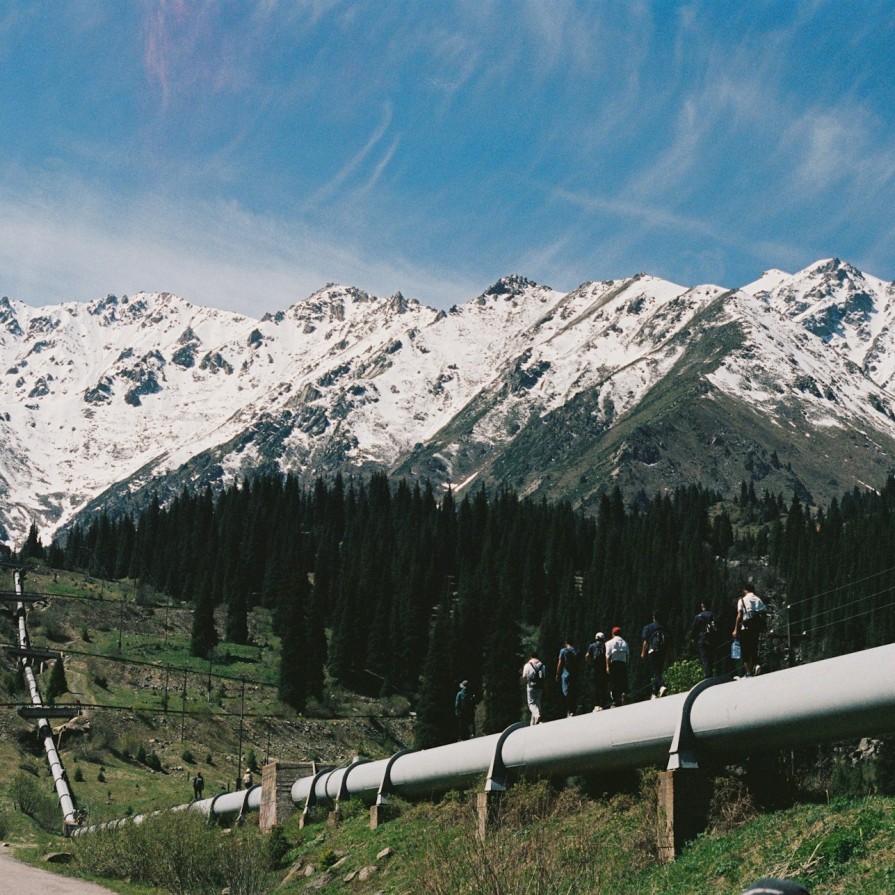
Canada Proposes New Strategic Oil Pipeline to Reduce US Dependence
In an effort to enhance energy autonomy and reduce reliance on the United States, Canada's federal government and Alberta province are collaborating on a strategic new oil pipeline proposal. This ambitious project aims to connect oil-rich western regions with eastern industrial centers, though it faces significant opposition from environmental groups due to its conflict with the nation's climate goals.
Political and Energy Landscape
Alberta, home to approximately 158.9 billion barrels of oil reserves, is navigating policy challenges as the federal government prioritizes a transition to green energy. Currently, the United States remains Canada's primary crude oil export market, accounting for 63.4% of total U.S. oil imports in 2025.
This policy divergence has created political tensions, with a minority of Alberta residents advocating for a referendum on potential separation from Canada. Against this backdrop, both the Alberta and federal governments have jointly proposed a strategic solution: the construction of a domestic-only oil pipeline.
Details of the New Pipeline Project
According to Alberta Premier Danielle Smith, the new pipeline project would span approximately 3,300 kilometers, originating in Hardisty, Alberta and traversing through Saskatchewan, Manitoba, and northern Ontario before heading south to Sarnia, Ontario. The pipeline would have the capacity to transport up to 500,000 barrels of crude oil per day, with potential for expansion to 800,000 barrels/day in the future.
Smith, a strong advocate for expanding the oil industry, noted that once developed, the pipeline could be extended to Canada's Atlantic coast to open new export routes to Europe.
| Parameter | Specification |
|---|---|
| Length | 3,300 km |
| Starting Point | Hardisty, Alberta |
| Endpoint | Sarnia, Ontario |
| Current Capacity | 500,000 barrels/day |
| Potential Capacity | 800,000 barrels/day |
Rationale Behind the Project
"50% of the oil entering Ontario is transported through pipelines that go through the United States," explained Ontario Energy Minister Stephen Lecce. He emphasized: "Clearly, we need a sovereign pipeline connecting Alberta's crude oil to Sarnia - the country's largest refining and petrochemical center."
Currently, oil is transported from Alberta to Ontario via the United States, and the state of Michigan has previously threatened to shut down this route, putting Canada's energy security at risk. Building a domestic pipeline would mitigate this risk and develop new export markets.
Federal Government Investment
During a July visit to Alberta, Canadian Prime Minister Mark Carney announced a $150 billion Canadian investment for Alberta and British Columbia. These investments would include expanding the Port of Vancouver and developing new electrical infrastructure for a new liquefied natural gas (LNG) facility.
Carney stated that Canada and Alberta would be "equal partners" in the pipeline project, with "meaningful ownership stakes for Indigenous communities." Consultations are expected to begin immediately. He also noted the project would support "significant" methane emission reductions.
Environmental Protection and Indigenous Rights
Carney assured that the federal long-standing ban on loading or unloading oil from tankers on British Columbia's northern coast would remain in place. This decision has received support from Coastal First Nations President Marilyn Slett, who stated: "The people of British Columbia, Canada, and First Nations call this area home and want it protected. No technology can clean up a marine oil spill, and a single spill could destroy our way of life."
Comparison with Previous Projects
| Factor | New Pipeline Project | Previous Pipeline Project |
|---|---|---|
| Route | Through inland provinces | Through northern Canada |
| Opposition | Less due to protective measures | Widespread from Indigenous communities |
| Tankers ban | Maintained | Expected to be lifted |
| Political support | High from both sides | Only from some politicians |
Challenges and Opposition
Despite its promising outlook, the project faces significant challenges. Environmental activists have criticized the plan due to concerns about climate change and the track record of past fossil fuel projects. The expansion of the Trans Mountain pipeline resulted in substantial cost overruns, and although it has become strategic infrastructure, it remains uncertain whether taxpayers will ever recoup their investment.
However, British Columbia Premier David Eby indicated he would not oppose the new pipeline. Eby stated that the new agreement includes strong protective measures and that residents would receive "fair compensation for the environmental risks we accept with any new pipeline project."
Environmental Group Responses
Many environmental organizations remain skeptical. They argue that developing new oil infrastructure contradicts Canada's climate change commitments. These groups also emphasize the risk of oil spills and long-term impacts on ecosystems, particularly along routes passing through sensitive lands.
Economic Impact
Economists, on the other hand, suggest the project could bring substantial economic benefits, including the creation of thousands of jobs during construction and operation, as well as increased revenue from oil exports. They also point out that reducing dependence on the United States could provide long-term trade negotiation advantages for Canada.
Conclusion
Canada's new oil pipeline project represents an attempt to balance energy needs with climate goals. While reducing dependence on the United States and enhancing energy security are primary objectives, the project also raises questions about Canada's energy future in the context of the green transition.
Support from Indigenous communities and proposed environmental protection measures could help the project overcome the obstacles faced by previous proposals. However, the greatest challenge remains reconciling resource-based economic development with long-term climate commitments.
How Canada navigates this tension will not only shape the future of the country's oil industry but also influence its entire energy and climate strategy for decades to come.