LNG Crisis in Strait of Hormuz Drives Global Gas Prices to Record Highs
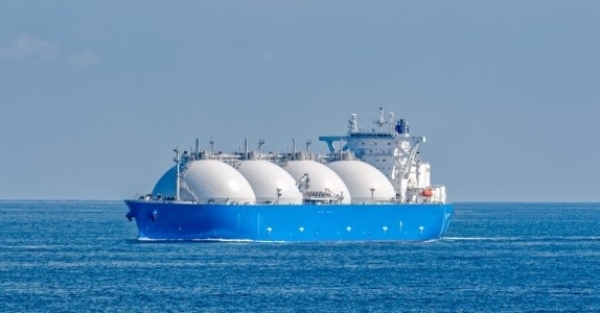
In recent days, the global liquefied natural gas (LNG) market has experienced significant disruption as exports through the Strait of Hormuz have come to a near standstill. According to data from maritime tracking firms, this situation has persisted for three consecutive days, directly impacting natural gas prices worldwide and causing ripples throughout the energy sector.
The Current Situation: LNG Exports Through the Strait of Hormuz
The Strait of Hormuz stands as one of the world's most critical energy transportation corridors, where approximately 20% of global oil supplies are transported. The current near-total halt in LNG exports through this vital waterway has raised serious concerns among market analysts and economists regarding potential consequences for the global energy market.
This strategic chokepoint between the Persian Gulf and the Gulf of Oman serves as a crucial passage for energy resources from major producers in the Middle East to markets across Asia, Europe, and North America. The disruption comes at a time when global energy demand remains robust, particularly in regions recovering from economic downturns and experiencing seasonal consumption patterns.
Root Causes and Market Impacts
The disruption in LNG exports through the Strait of Hormuz can be attributed to several interconnected factors:
- Geopolitical Tensions: Escalating tensions in the region have heightened security concerns, leading to reduced maritime activities. The recent incidents involving commercial vessels and increased military presence have created an environment of uncertainty that shipping companies are unwilling to navigate.
- Skyrocketing Natural Gas Prices: The constrained supply has triggered a sharp increase in natural gas prices across multiple markets. With demand remaining high while supply becomes limited, the price differential between regional markets has widened significantly.
- Global Energy Policy Shifts: Nations worldwide are reassessing their energy strategies to reduce dependence on supplies from this volatile region. This policy realignment could lead to long-term changes in global LNG export patterns and infrastructure development.
- Supply Chain Disruptions: Beyond immediate price impacts, the disruption is affecting LNG shipping schedules, storage capacities, and downstream processing operations, creating cascading effects throughout the energy value chain.
Market Overview: LNG Exports Through the Strait of Hormuz
| Date | Export Status | Global Gas Price (USD/MMBtu) | Regional Price Variance | Key Market Impacts |
|---|---|---|---|---|
| Day 1 | Normal Operations | 5.00 | ±0.20 | Stable markets across all regions |
| Day 2 | Significant Reduction (70%) | 6.50 | +0.80 to +1.50 | Asian markets show initial volatility |
| Day 3 | Near Complete Halt (90%) | 7.00 | +1.20 to +2.00 | European markets react strongly; spot prices surge |
| Day 4 (Projected) | Partial Resumption (30%) | 6.75 | +0.90 to +1.70 | Markets stabilize but remain elevated |
Expert Analysis and Future Projections
Energy market analysts predict that if the disruption in LNG exports through the Strait of Hormuz persists, natural gas prices could continue to escalate, potentially reaching levels not seen since the 2022 energy crisis. The sustained demand for LNG, particularly in Asian economies undergoing rapid industrialization and in European countries transitioning away from Russian gas supplies, creates a perfect storm for price volatility.
"The situation in the Strait of Hormuz represents a critical test for global energy security," noted Dr. Elena Rodriguez, a senior energy analyst at the Global Energy Policy Institute. "While short-term price increases are inevitable, the more significant concern is the potential long-term reshaping of global LNG supply chains as nations accelerate diversification efforts."
In response to the crisis, several LNG-exporting nations are exploring alternative shipping routes and increasing storage capacities to mitigate future disruptions. Additionally, there are growing discussions about accelerating the development of LNG facilities in other regions to reduce dependency on Middle Eastern supplies.
Industry Response and Mitigation Strategies
The energy industry has responded swiftly to the crisis with several strategic measures:
- Shipping Companies: Major carriers are rerouting vessels through longer alternative passages, such as around the Cape of Good Hope, though this increases transit times and costs.
- Importing Nations: Countries heavily dependent on LNG imports are activating emergency reserves and exploring short-term contracts with alternative suppliers.
- Energy Producers: Some producers in the region are attempting to increase output through alternative ports, though these have limited capacity compared to the facilities typically utilizing the Strait of Hormuz.
- Financial Markets: Commodity traders are adjusting their positions in anticipation of prolonged disruption, with futures markets indicating continued price volatility through the upcoming quarter.
Broader Implications for Global Energy Markets
The current disruption highlights the vulnerabilities in global energy infrastructure and the increasing importance of diversification in energy supply chains. The incident is likely to accelerate several existing trends in the energy sector:
- Energy Security Focus: Nations will likely prioritize energy security in their strategic planning, potentially leading to increased investment in domestic energy production and alternative supply sources.
- Infrastructure Development: The crisis may spur development of alternative LNG shipping routes and expanded storage facilities to create more resilient supply networks.
- Technological Innovation: There may be renewed interest in technologies that can reduce dependency on specific transportation corridors, including advancements in floating storage regasification units (FSRUs) and modular LNG facilities.
- Regional Cooperation: The incident could prompt enhanced regional cooperation on energy security, particularly among nations dependent on the Strait of Hormuz for their energy supplies.
Conclusion: Navigating the New Energy Landscape
The near-total halt in LNG exports through the Strait of Hormuz represents a significant challenge for global energy markets, with far-reaching implications for pricing, supply security, and geopolitical relationships. As the situation continues to evolve, stakeholders across the energy sector must remain vigilant and adaptable.
For investors, policymakers, and industry leaders, this crisis underscores the importance of diversification and contingency planning in an increasingly volatile global energy landscape. The coming weeks will be critical in determining whether this disruption proves to be a temporary setback or a catalyst for lasting transformation in the global LNG market.
As the world navigates this challenging period, the fundamental question remains: how can the global community build a more resilient and secure energy system capable of withstanding such disruptions in the future? The answers to this question will likely shape energy policy and investment decisions for years to come.